How Often Can You Dye Your Hair? 34 Essential Tips To Know

So, how often can you dye your hair? The honest answer is: it depends on the type of dye, your hair’s condition, and the look you’re maintaining. As a general rule, permanent color needs refreshing every four to six weeks, demi-permanent color lasts about the same but is gentler, and bleach or highlights should wait six to eight weeks between sessions. Your hair will tell you the rest — dryness, breakage, and fading are all signs to slow down.
We’ve put together 34 essential tips that answer every version of this question — from root touch-up timing and bleach rules to aftercare tricks that stretch your color for extra weeks. Whether you dye at the salon or at home, these guidelines will help you keep your color fresh without frying your hair. Let’s build a dye schedule that actually works for your hair.
1. The Short Answer: It Depends On The Dye Type
There is no single number that fits everyone, because different dyes work in completely different ways. Permanent dye opens the hair cuticle and deposits color deep inside, so it grows out visibly and needs the most frequent maintenance. Demi-permanent and semi-permanent dyes are far gentler and fade gradually, buying you more flexibility between appointments.
The real deciding factor is regrowth. Most people’s hair grows about half an inch per month, so after four weeks you’ll see a visible line where your natural color meets the dye. If that line bothers you, that’s your signal — not a date on the calendar. Learning to read your own regrowth is the most reliable dye schedule there is.
2. Permanent Color: Every 4–6 Weeks
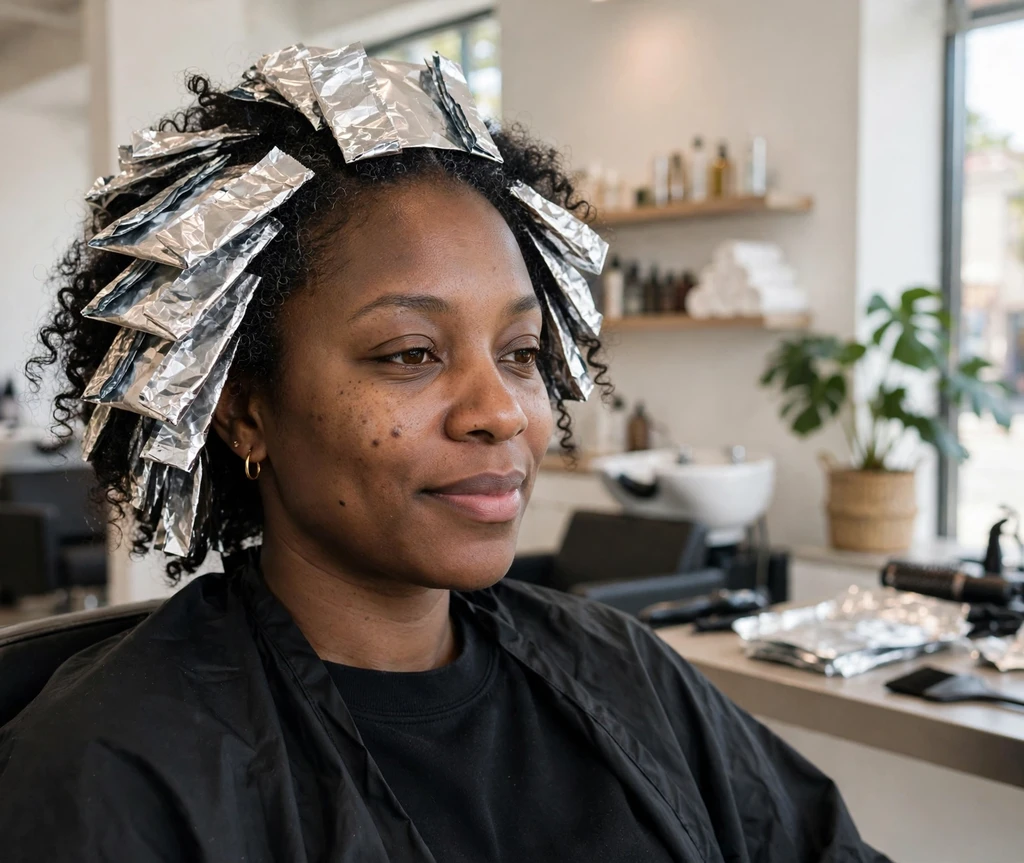
Permanent hair color is the workhorse of the dye world — it gives full gray coverage and dramatic color changes, but it doesn’t wash out. Because the color is locked in, the only thing that changes is your roots, and most people need a touch-up every four to six weeks to keep the line of demarcation invisible.
The key mistake is re-dyeing the entire head each time. That kind of overlapping causes cumulative damage and muddy, over-darkened ends. Instead, apply permanent color to new growth only, and refresh the lengths with a gentler gloss or demi-permanent shade. Your ends will thank you.
3. Demi-Permanent Color: The Gentler 4–6 Week Option
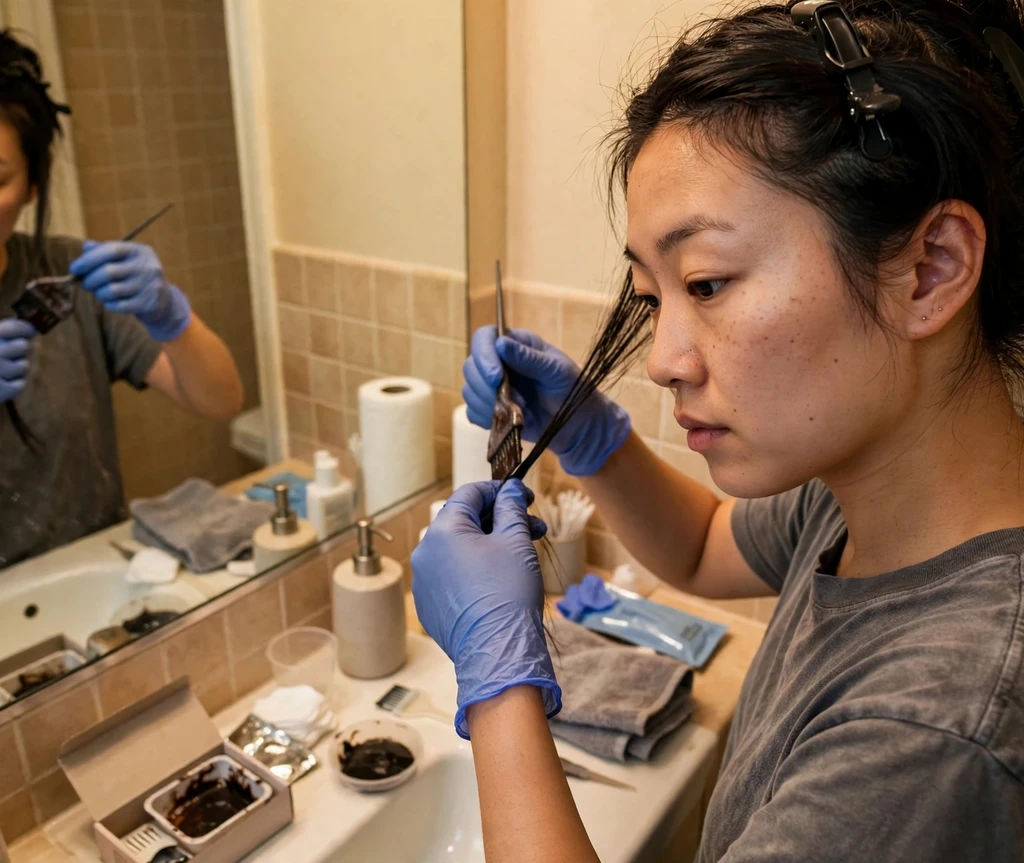
Demi-permanent color lasts through roughly 24 to 28 washes — about four to six weeks for most people — but unlike permanent dye, it doesn’t lift your natural color or use harsh ammonia. It fades gradually instead of growing out with a harsh line, which makes it far more forgiving.
This makes demi-permanent the smart choice for refreshing faded ends, blending first grays, or adding richness between permanent appointments. Because it’s deposit-only, you can reapply it more freely without the breakage risk of permanent color. Many colorists use it as a “color bath” to revive lengths at every root appointment.
4. Semi-Permanent Color: Every 2–4 Weeks
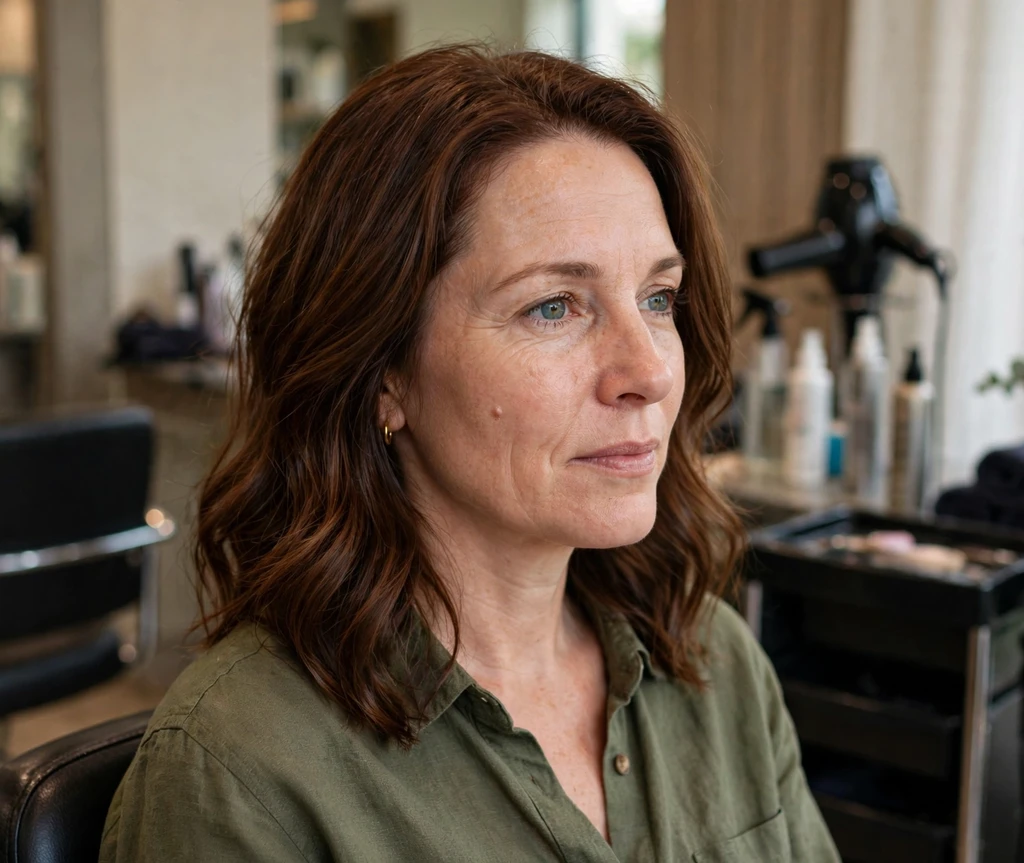
Semi-permanent color coats the outside of the hair shaft and washes out over 6 to 12 shampoos — roughly two to four weeks. Because there’s no developer and no cuticle damage, you can reapply it as often as you like without harming your hair.
The trade-off is commitment: semi-permanent can’t lighten hair or cover stubborn grays, and fashion shades fade fast. Use it to experiment with tones, add shine, or maintain a vivid color between salon visits. It’s the lowest-risk way to play with color, and the fading is gradual rather than stripey.
5. Temporary Color: As Often As You Like
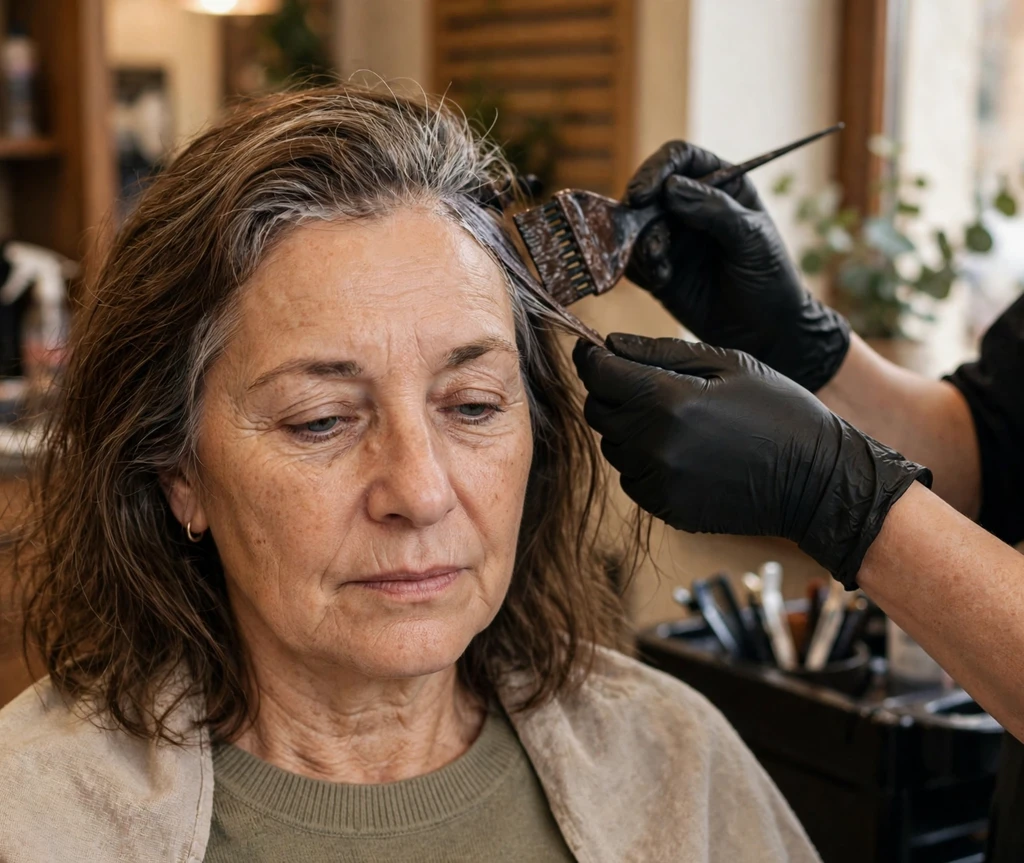
Temporary color — sprays, chalks, color-depositing conditioners — sits on the surface and washes out in one shampoo. You can use it daily with zero damage, which makes it perfect for root camouflage between appointments or testing a bold shade for one night.
Root touch-up sprays and powders are the secret weapon of anyone stretching their dye schedule. A quick spray along the part line can buy you an extra week or two before a salon visit. Just remember they’re cosmetic, not color — they rinse away, so they’re a bridge, not a replacement.
See also: 21 Beautiful Short Hair Color Ideas That Are Easy To Maintain
6. Root Touch-Ups: The 3–4 Week Rule
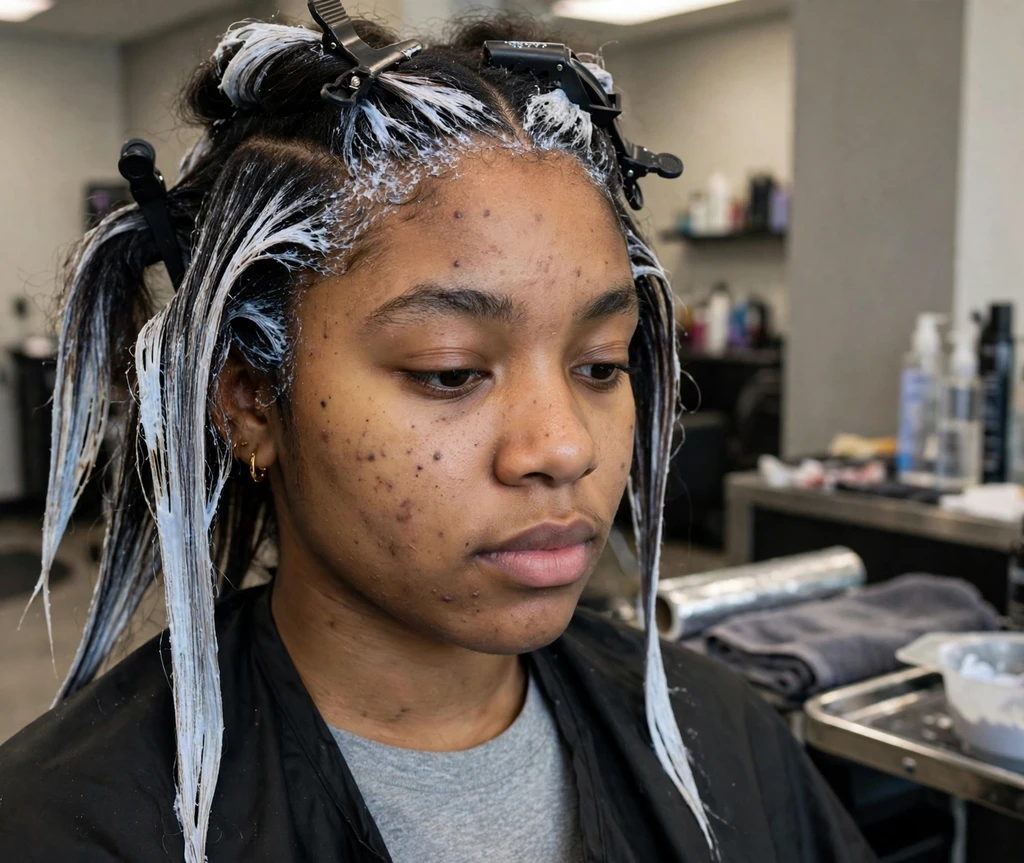
Roots are the number-one reason people re-dye, and the standard rhythm is every three to four weeks for high-contrast colors (dark dye on light natural hair, or vice versa) and every four to six weeks for closer matches. The more your dye differs from your natural shade, the sooner regrowth shows.
Apply touch-up color only to the new growth — about the first half-inch to inch — and never drag permanent color through previously dyed hair. Overlapping is the fastest route to breakage and banding. If your lengths look dull, refresh them separately with a gloss.
7. Bleach: Wait At Least 6–8 Weeks
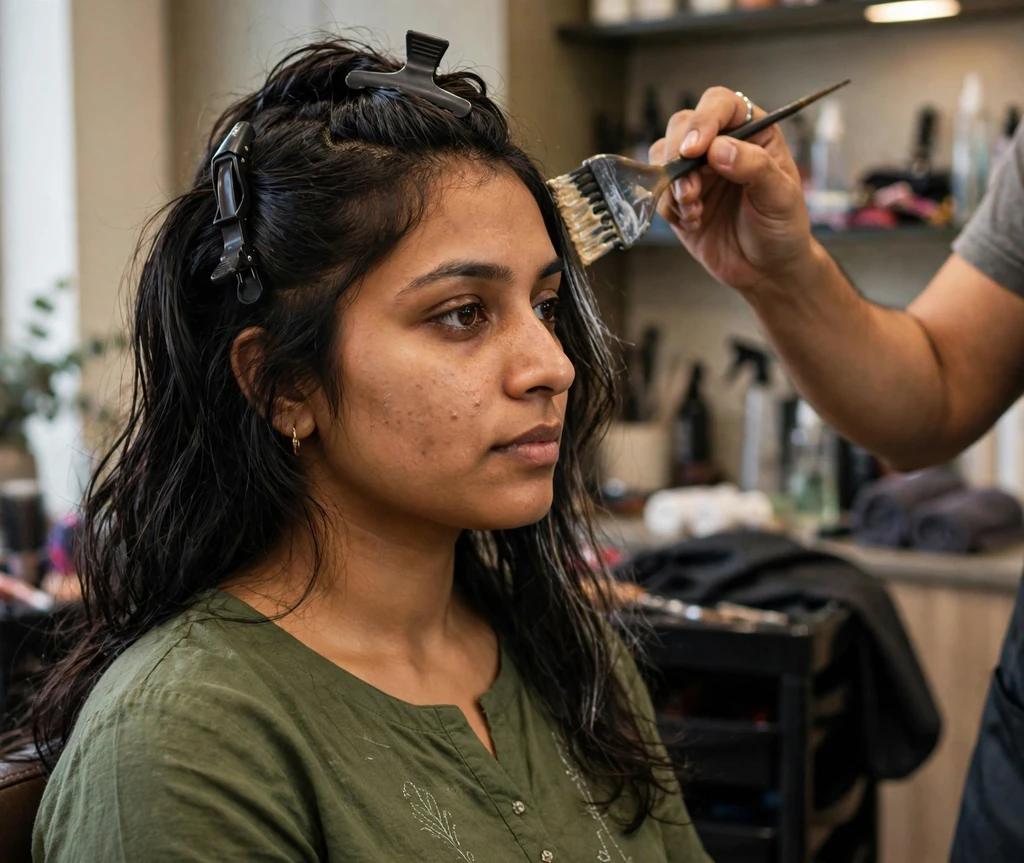
Bleach is the most aggressive chemical service, and it demands the most patience. Never re-bleach the same hair — only new growth — and wait a minimum of six to eight weeks between lightening sessions. Bleaching too soon, especially over already-lightened hair, is how breakage and chemical cuts happen.
Between sessions, baby your hair with bond-building treatments, deep conditioners, and minimal heat. If your blonde looks brassy or dull, reach for a purple shampoo or a toner refresh instead of more bleach. Toner fixes tone; only bleach fixes regrowth.
8. Highlights: Every 6–8 Weeks

Traditional foil highlights typically need refreshing every six to eight weeks, depending on how fine the weave is and how close to the root they’re placed. Fine, rooty highlights grow out more softly than chunky ones, so placement affects your schedule as much as timing.
Ask your colorist about “lived-in” placement — slightly off the root — if you want to stretch appointments to ten or twelve weeks. The softer the grow-out, the longer you can go. Partial highlights (around the face and part) are also a cheaper, gentler mid-point refresh.
9. Balayage: Every 3–4 Months
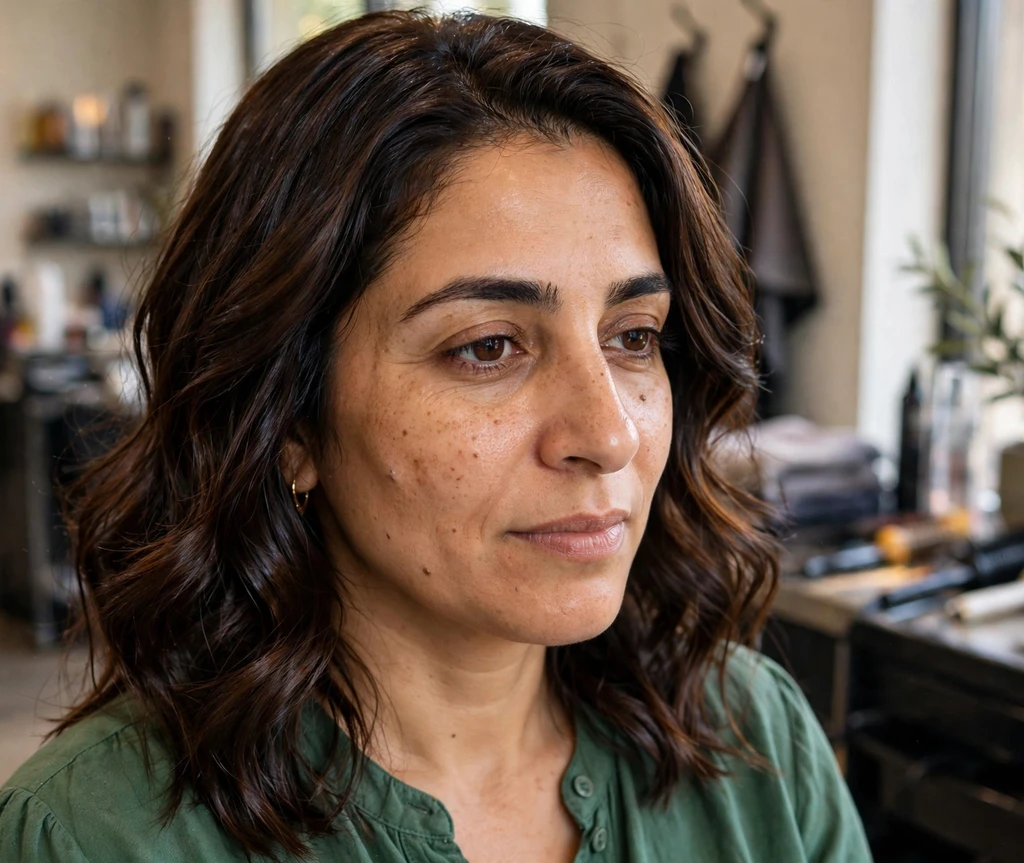
Balayage is the lowest-maintenance lightening technique because the color is hand-painted to melt from your natural shade — there’s no harsh regrowth line. Most people go three to four months between full balayage appointments, with just a toner or gloss refresh in between.
This makes balayage ideal if you want dimension without the salon commitment. The grow-out looks intentional, so you can genuinely forget about your roots for a season. Budget for a quarterly appointment plus a mid-cycle gloss, and you’re set.
10. Ombré: Low Maintenance By Design
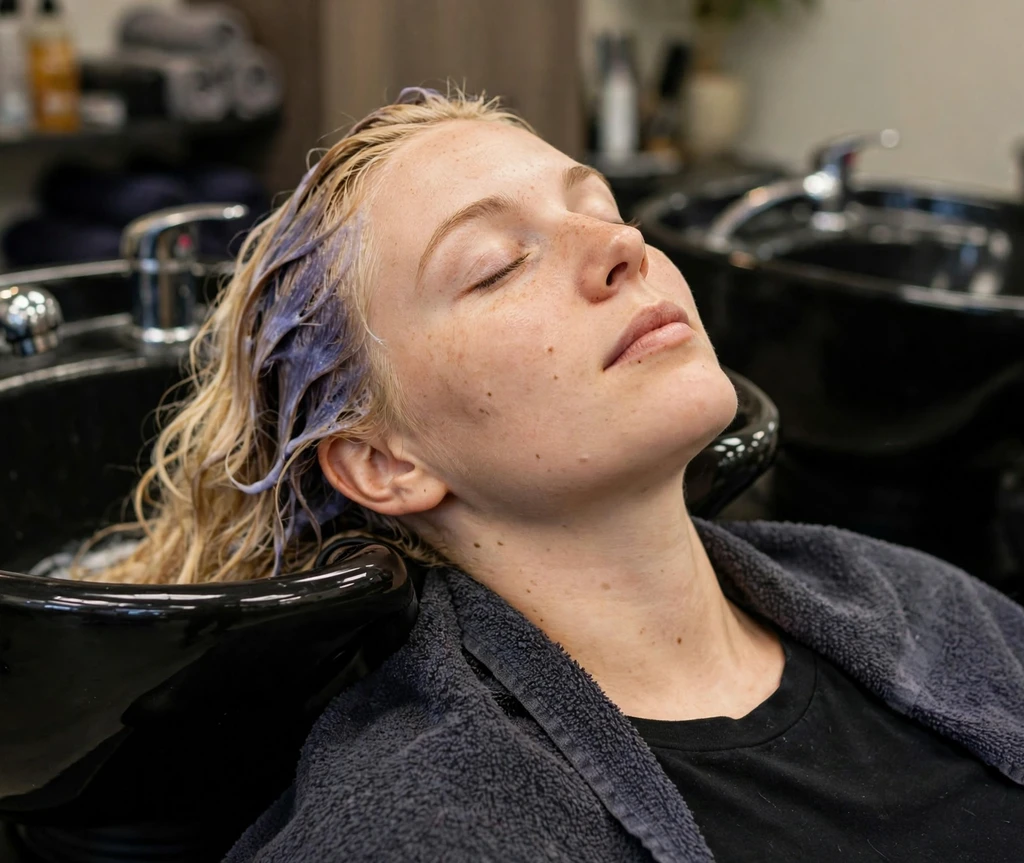
Ombré keeps the roots completely natural and concentrates lightness at the ends, so there’s essentially nothing to touch up. You can go four to six months — or longer — before the look needs reworking, making it one of the most forgiving color choices.
The maintenance that does exist is about tone, not regrowth: ends can turn brassy or dry over time. A gloss every couple of months and regular trims keep an ombré looking fresh. If your ends get too light or damaged, a “reverse ombré” melts them back toward your natural shade.
See also: 26 Gorgeous Short Gray Hairstyle Ideas For Every Age And Hair Type
11. Gray Coverage: Every 4 Weeks For Full Coverage
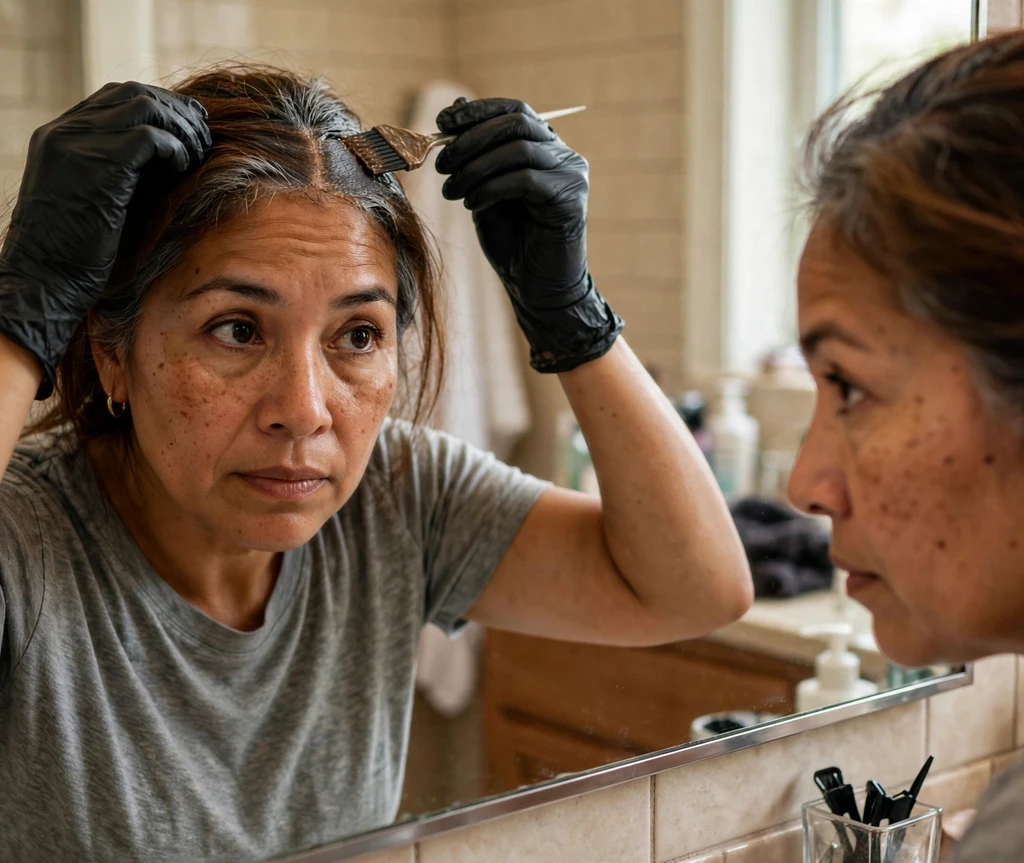
Stubborn grays are resistant and show regrowth fast — against dark dye, even a quarter-inch of silver is visible. For seamless full coverage, most people need permanent color every four weeks, sometimes stretching to five with root sprays in between.
Gray hair is also coarser and more resistant, so it needs the full processing time — don’t rinse early. If the four-week cycle feels relentless, talk to your colorist about gray blending (fine highlights that camouflage silver) instead of full coverage. It’s a lifestyle upgrade disguised as a color technique.
12. Gray Blending: Stretch To 8–12 Weeks
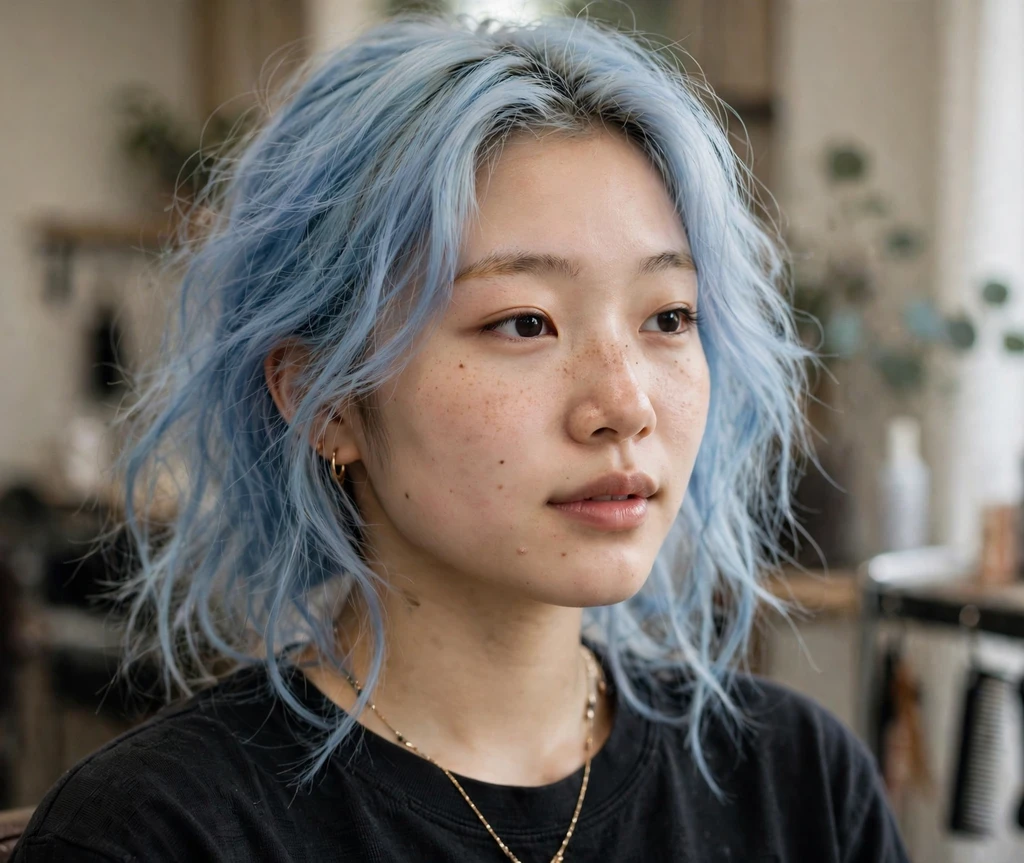
Gray blending uses fine highlights, lowlights, or demi-permanent color to weave silver into your overall shade rather than covering it. Because there’s no solid line of demarcation, you can comfortably go eight to twelve weeks between appointments.
This approach works best once you’re around 30–50% gray, and it’s the most graceful path if you’re considering growing out your natural silver eventually. The grow-out looks soft and dimensional instead of stripey, which is the whole point.
13. All-Over Single Process: 4–6 Weeks
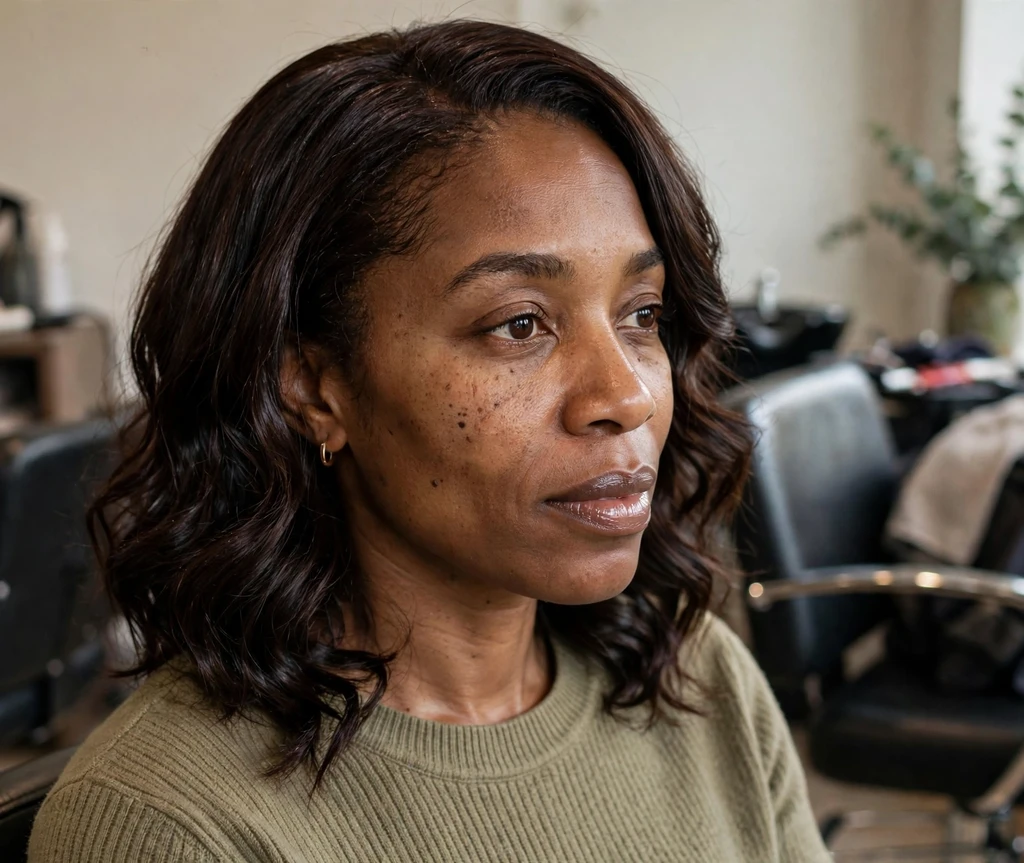
A single-process all-over color — one shade from roots to ends — follows the standard permanent color rhythm: every four to six weeks, roots only. The temptation is to pull the color through every time for “evenness,” but that’s exactly what causes dull, over-saturated ends.
Instead, do roots-only applications and refresh the lengths every third or fourth visit with a demi-permanent gloss in the same shade. Your color will actually look more vibrant, because the ends won’t be weighed down by layer upon layer of pigment.
14. Gloss And Toner Refresh: Every 4–6 Weeks
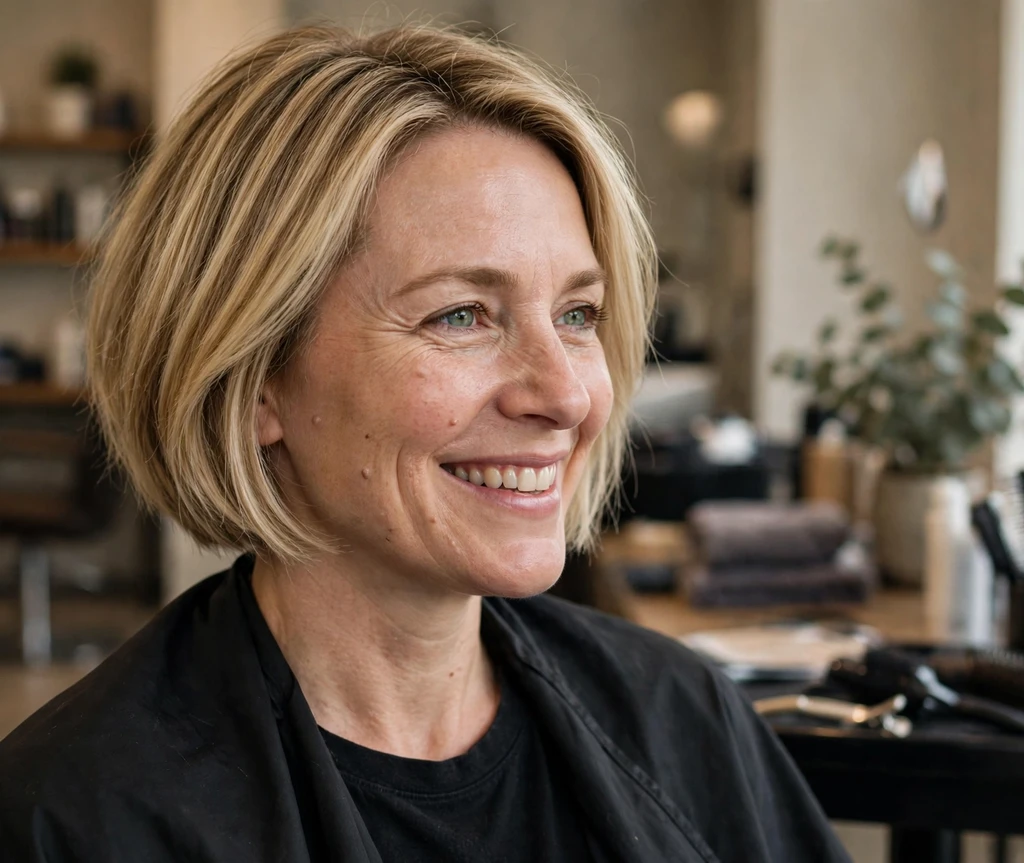
A clear or tinted gloss is the unsung hero of color maintenance — it adds shine, refreshes tone, and seals the cuticle with minimal commitment. Most glosses last four to six weeks, making them the perfect in-between service.
Book a gloss halfway between major color appointments, or use an at-home glossing treatment. It’s quick, affordable, and genuinely extends the life of your color. If your dye looks dull but your roots are fine, you don’t need more color — you need a gloss.
15. Fashion Colors: Every 3–6 Weeks
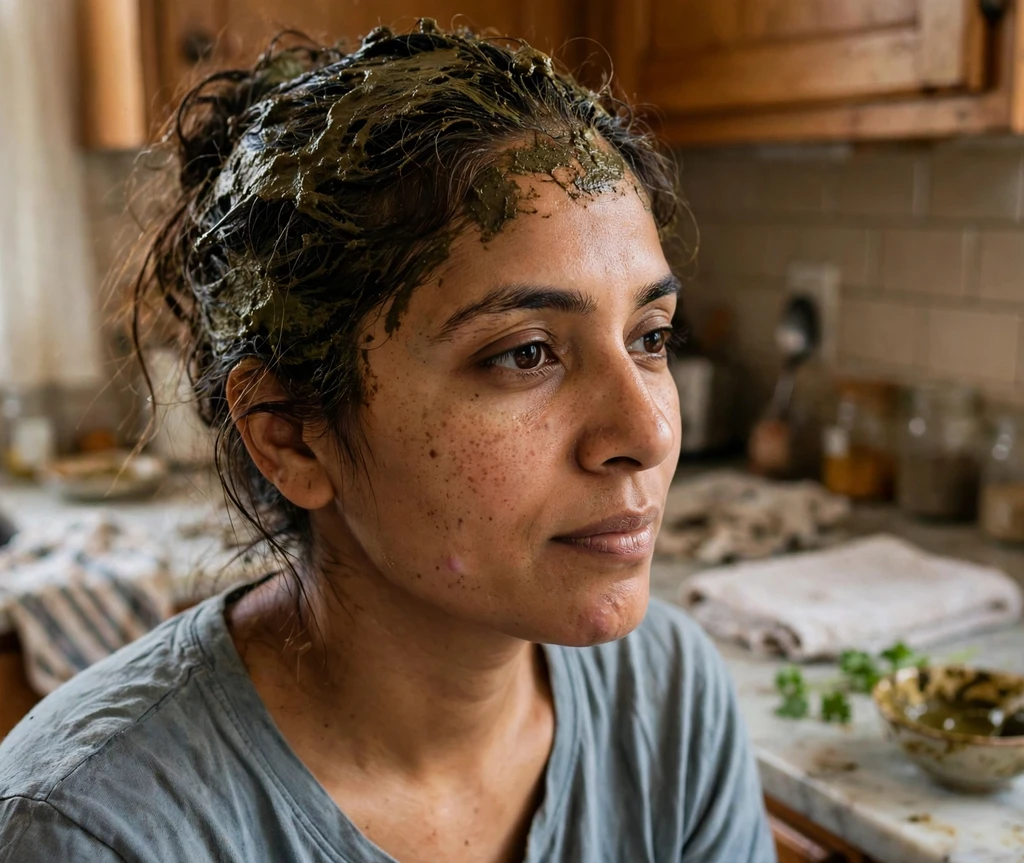
Vivid fashion shades — pinks, blues, purples — are almost always semi-permanent, which means they fade with every wash. Expect to refresh every three to six weeks, with pastel tones needing the most frequent touch-ups.
Stretch your vivid color by washing in cool water, using color-safe sulfate-free shampoo, and washing less often. Color-depositing conditioners in your shade are a game changer — they top up pigment with every wash and can double the time between full applications.
See also: 22 Gorgeous Curly Hairstyle Ideas For Less Frizz
16. Your Hair’s Porosity Sets The Pace

Porosity — how readily your hair absorbs and releases moisture and color — directly affects how often you need to dye. High-porosity hair (often from previous chemical services or heat damage) grabs color fast but loses it fast too, so it fades quicker and tempts more frequent re-dyeing.
Resist that temptation: re-dyeing porous hair more often just increases the porosity further in a vicious cycle. Instead, do protein and bond-building treatments to fill in the gaps in the hair shaft, and you’ll find your color lasts noticeably longer between appointments.
17. Fine Hair Colors Faster — And Fades Faster
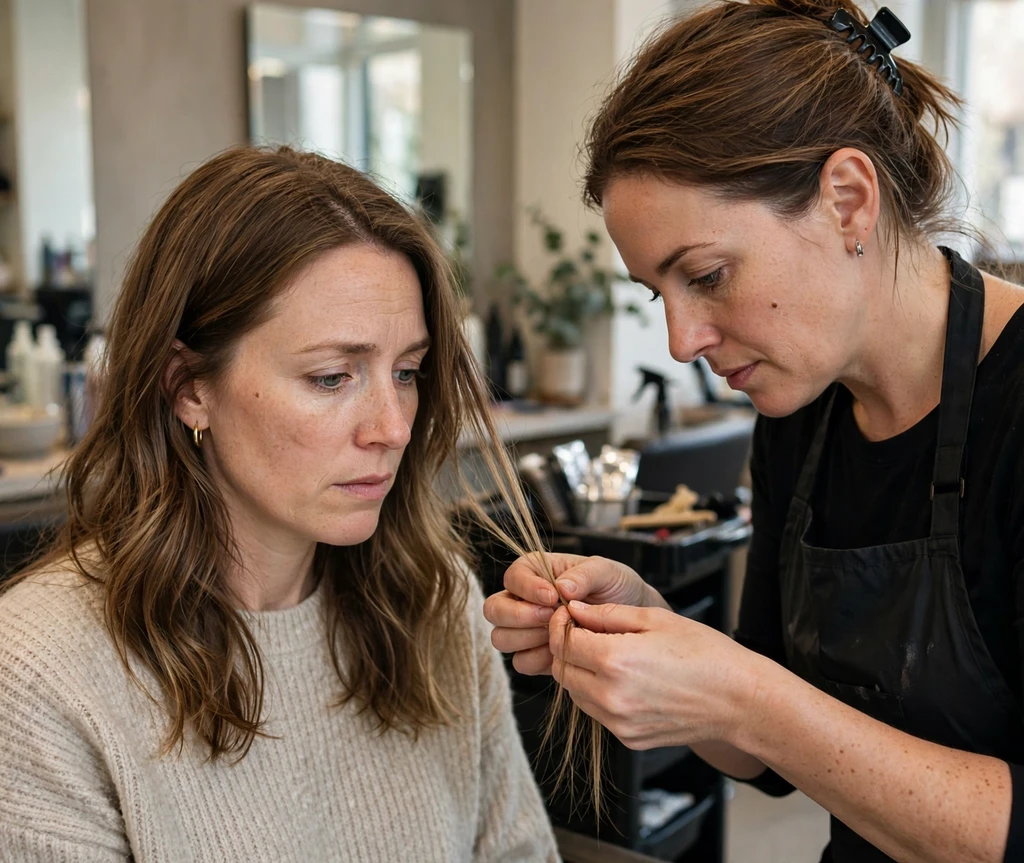
Fine hair has a smaller diameter, so dye processes more quickly — but the color also has less to hold onto, meaning it can fade faster than on coarse hair. Fine-haired people often need slightly more frequent glosses, but should be extra cautious with bleach and permanent color.
The golden rule for fine hair: process for less time, not more often. Over-processing fine hair leads to breakage that no schedule can fix. Demi-permanent color is usually the sweet spot — enough pigment to look rich, gentle enough to repeat safely.
18. Curly And Coily Hair Needs Extra Recovery Time
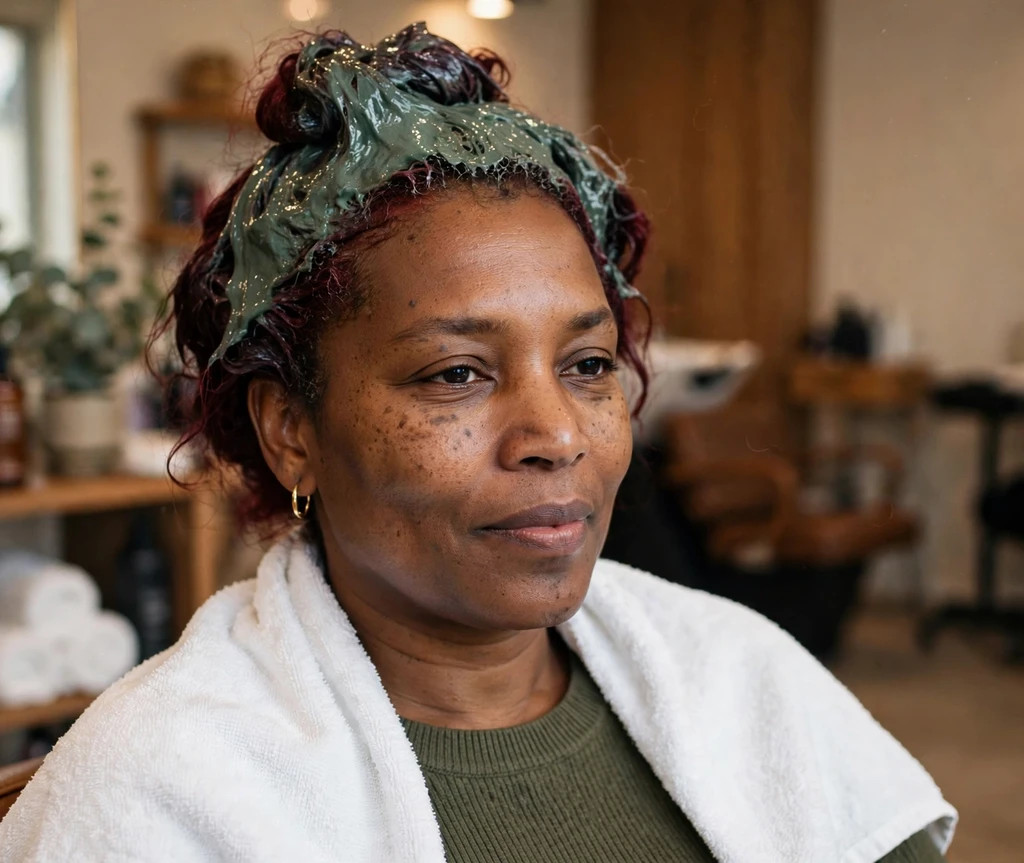
Curly and coily hair is naturally drier because oils travel slowly down the twists of the strand, and chemical services add to that dryness. Colorists generally recommend stretching appointments a week or two longer than the standard guidance and prioritizing moisture above all.
Between dyes, deep condition weekly, seal with oils or butters, and avoid overlapping color onto previously dyed curls at all costs. Healthy curls hold color beautifully — dry, damaged curls drop it fast. Moisture isn’t optional here; it’s what makes your dye schedule sustainable.
19. Previously Damaged Hair: Wait Longer
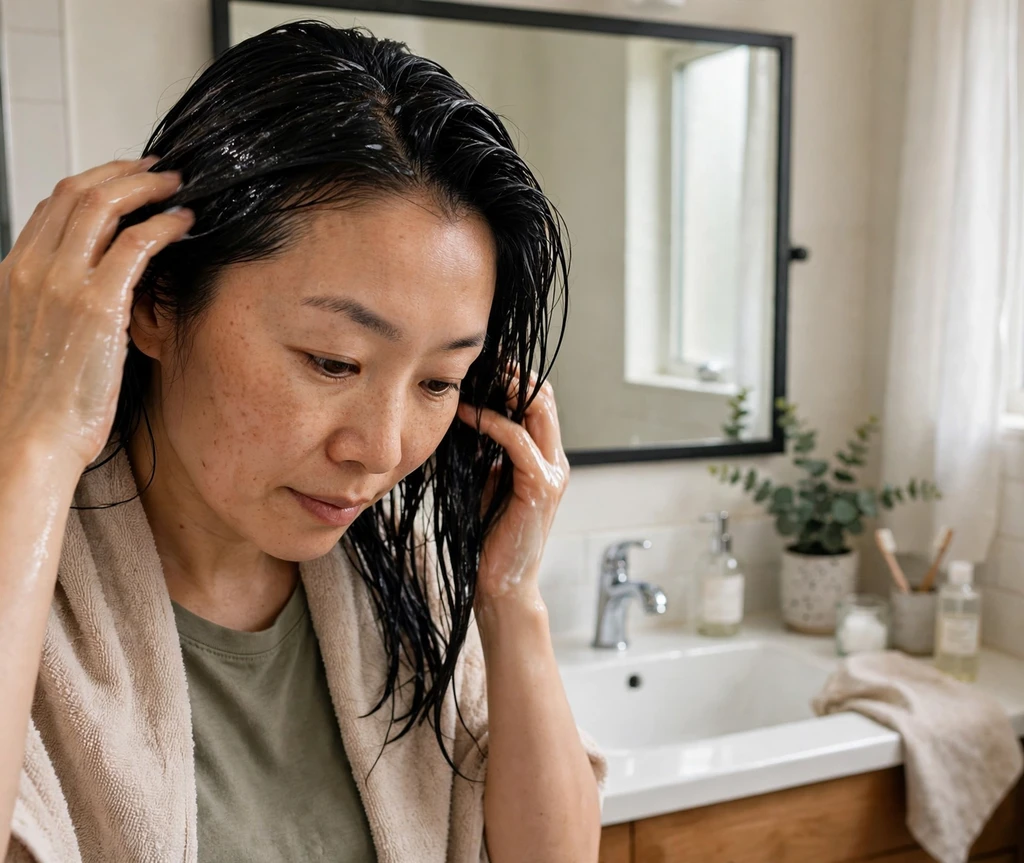
If your hair is already compromised — from bleach, heat, or overlapping color — the standard timelines don’t apply to you yet. Damaged hair needs a recovery phase first: trims, bond builders, and protein-moisture balance before the next chemical service.
A good rule: if your hair stretches excessively when wet, feels gummy, or breaks with gentle tension, postpone your dye appointment. A few weeks of intensive repair now prevents months of growing out breakage later. Your colorist would rather wait than fix a chemical cut.
20. Virgin Hair: The Safest Starting Point

Never-dyed “virgin” hair is the most resilient canvas — the cuticle is intact, porosity is even, and color takes predictably. If you’re dyeing for the first time, you have the most flexibility, but that first application sets the tone for everything after.
Start gentler than you think you need: a demi-permanent shade or partial highlights rather than full bleach. You’ll learn how your hair responds with minimal risk, and you can always go bolder next time. The healthiest dye journey is the one that starts conservatively.
See also: 24 Gorgeous Short Braided Hairstyle Ideas For Every Hair Texture
21. Signs You’re Dyeing Too Often
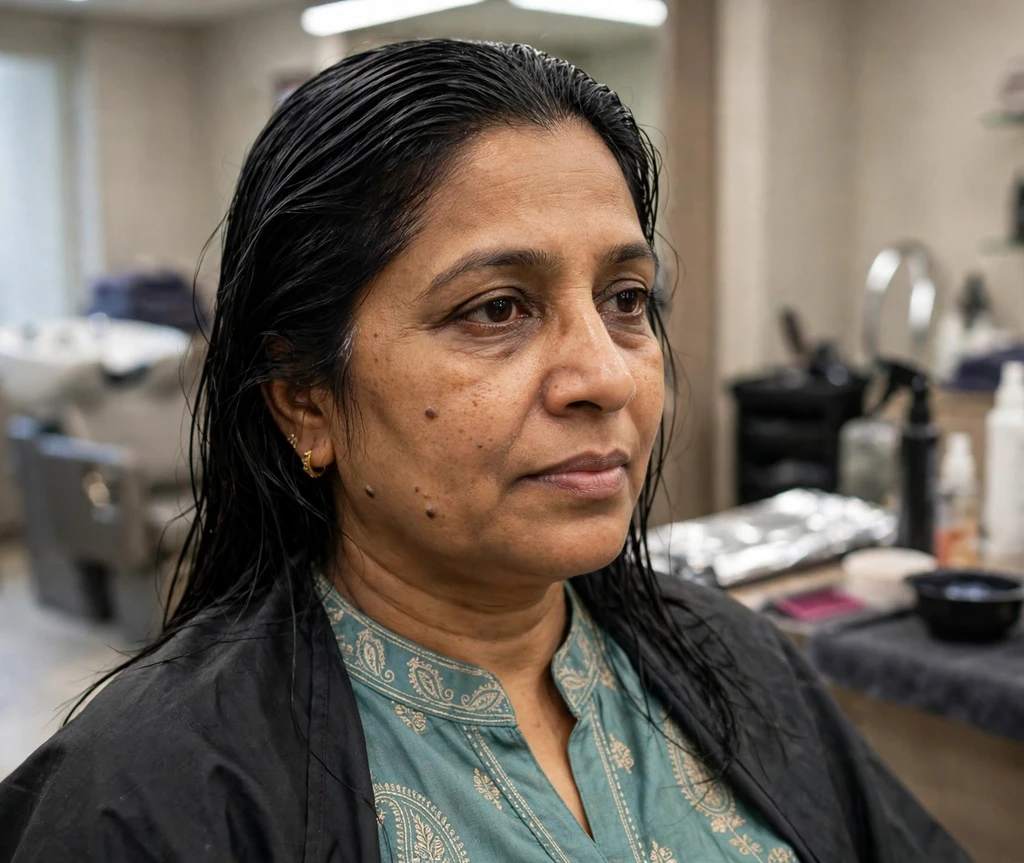
Your hair sends clear distress signals when the dye schedule is too aggressive: excessive dryness that conditioner can’t fix, breakage and split ends multiplying, color that fades within days, a stretchy or gummy feel when wet, and scalp irritation or sensitivity.
If you recognize these signs, the answer isn’t a different dye — it’s a break. Stretch your next appointment by two to four weeks, do weekly deep-conditioning treatments, and get a dusting trim. Hair can recover remarkably well once the chemical onslaught pauses.
22. The Stretch Test: How To Check Hair Health
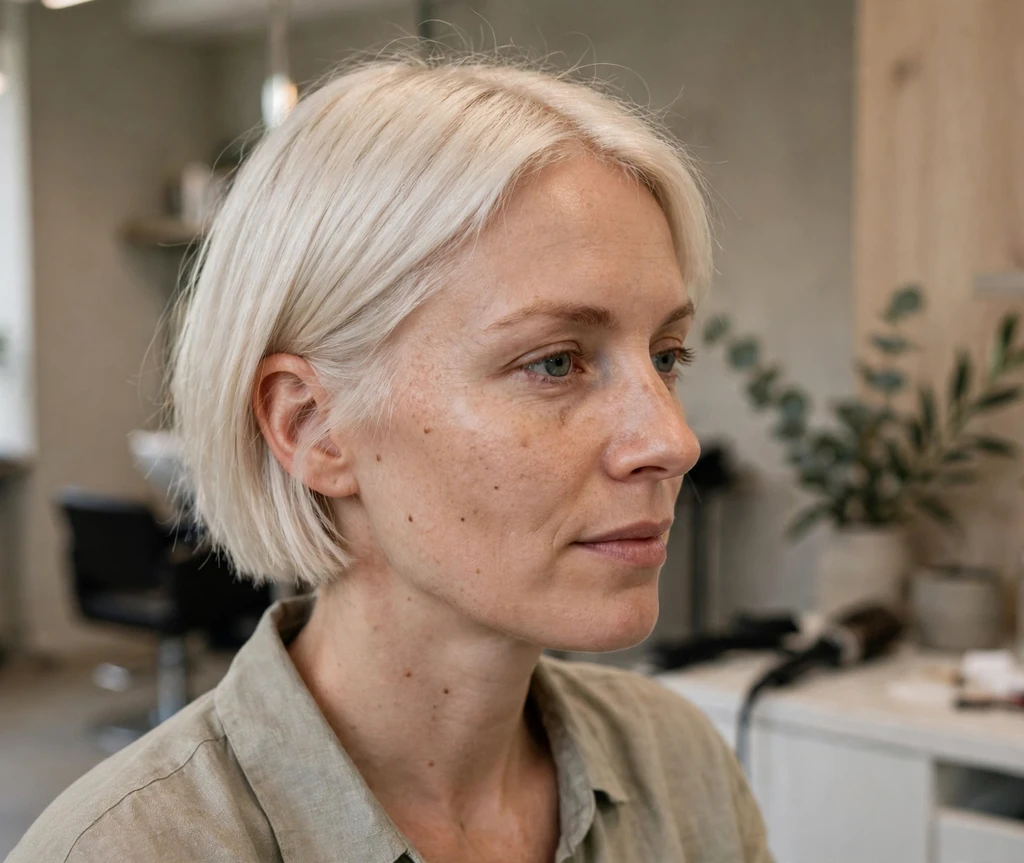
Before every dye appointment, do a quick elasticity check: take a single wet strand and gently stretch it. Healthy hair stretches slightly and springs back. If it stretches a lot without returning, it needs protein; if it snaps immediately, it needs moisture — and possibly a postponed appointment.
Make this test a ritual. It’s the most honest indicator of whether your hair is ready for more chemicals, and it takes ten seconds. Colorists do a version of this test before every service — now you can too, at home, between visits.
23. Why Overlapping Color Causes Breakage
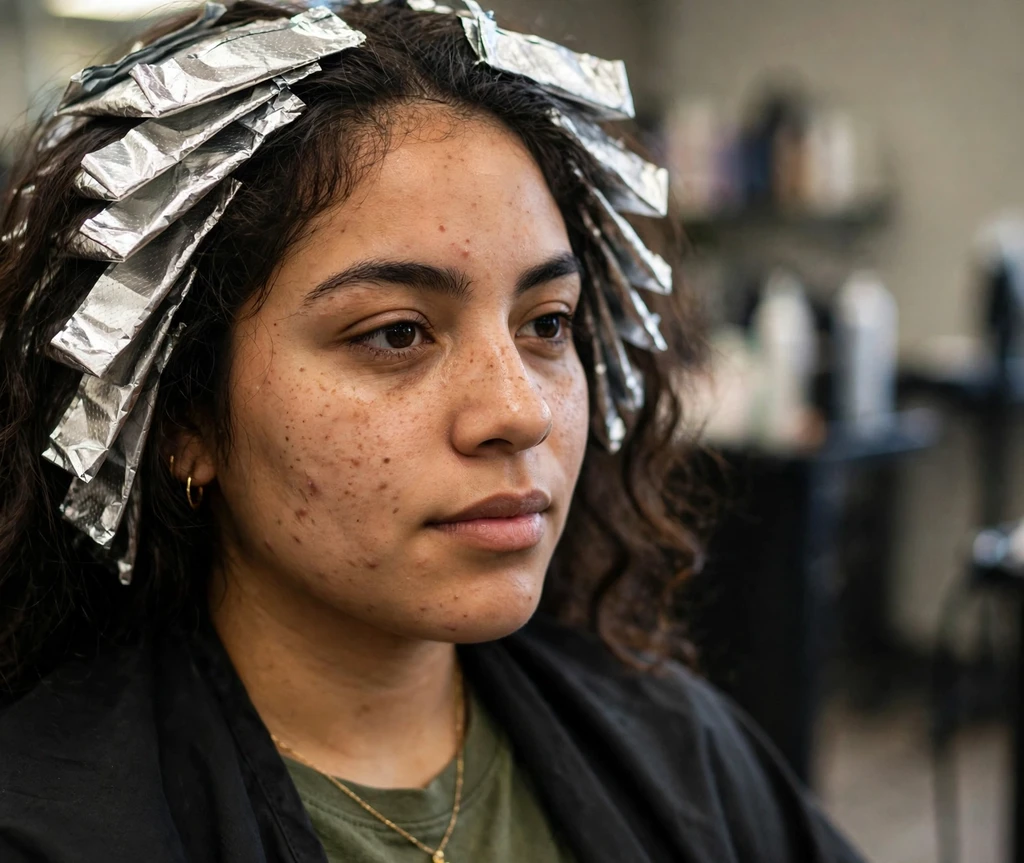
Every permanent color application slightly weakens the hair shaft. When you overlap — applying fresh dye over already-dyed lengths — the damage compounds in those sections with every visit. After several rounds, the mid-lengths and ends become fragile, dull, and prone to snapping.
This is the single most common cause of dye-related breakage, and it’s completely avoidable. Roots only, every time, with permanent color. Lengths get demi-permanent gloss or nothing at all. Tell your colorist explicitly: “roots only” — it’s a normal request they hear daily.
24. Salon Vs. Box Dye: Timing Differences
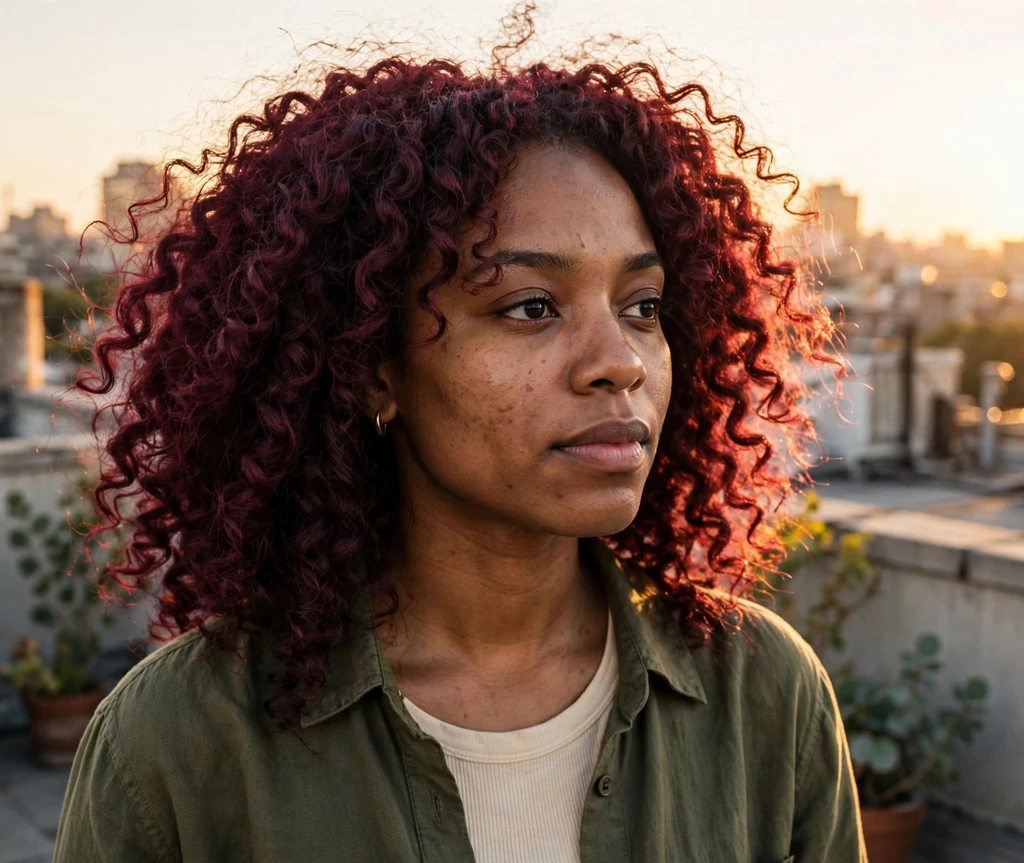
Salon color is customized — your colorist adjusts formula, timing, and placement to your hair — while box dye is one-size-fits-all and typically more aggressive to guarantee results on all hair types. That extra strength means box dye can be harsher with frequent use.
If you dye at home, be extra strict about the roots-only rule and consider stretching to six weeks instead of four. Better yet, alternate: salon for major changes, box for simple root maintenance in between. And never use box dye to fix a salon color problem — that’s how correction appointments are born.
25. At-Home Root Kits: The 4-Week Sweet Spot
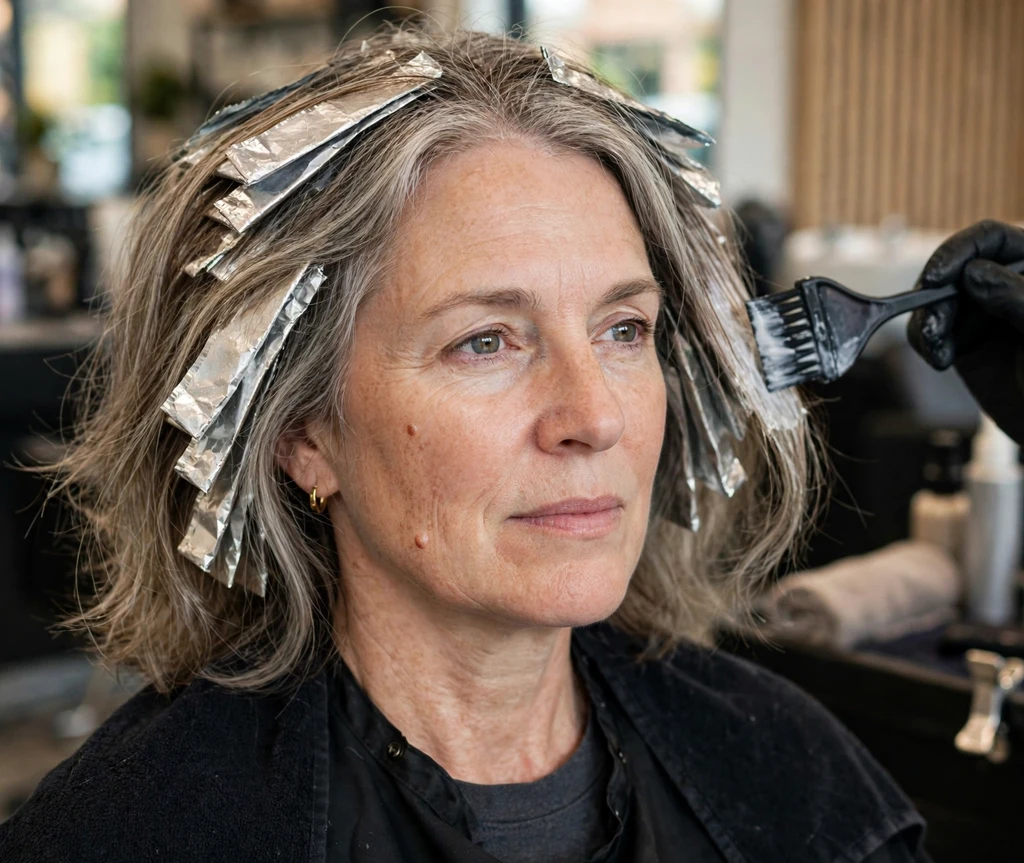
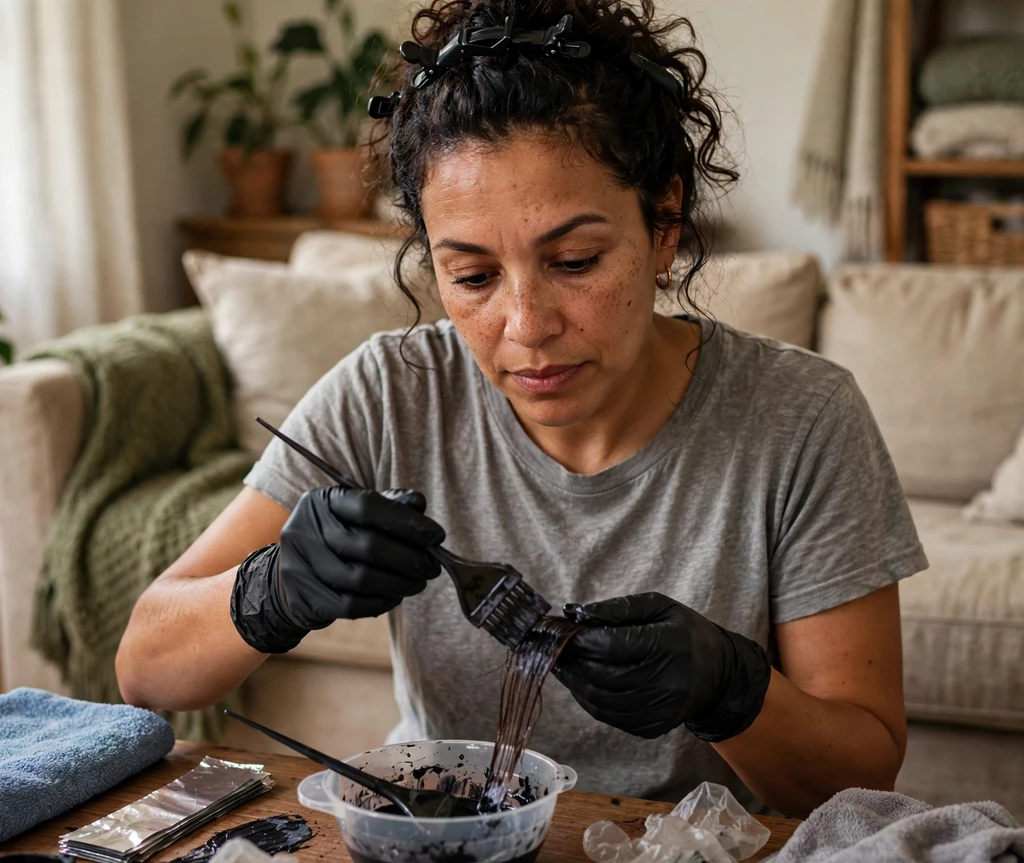
At-home root touch-up kits are designed for one job: covering new growth between salon visits. Used every four weeks on roots only, they’re a legitimate way to stretch salon appointments to eight or ten weeks without visible regrowth.
Choose a kit one shade lighter than you think — they tend to grab dark — and set a timer rather than guessing. Keep the application tidy with clips and a tint brush, and wipe the hairline immediately to avoid staining skin. Done right, nobody will know it wasn’t a salon visit.
See also: 12 Stunning Butterfly Hairstyles For Girls With Long Hair
26. How Washing Affects Your Dye Schedule
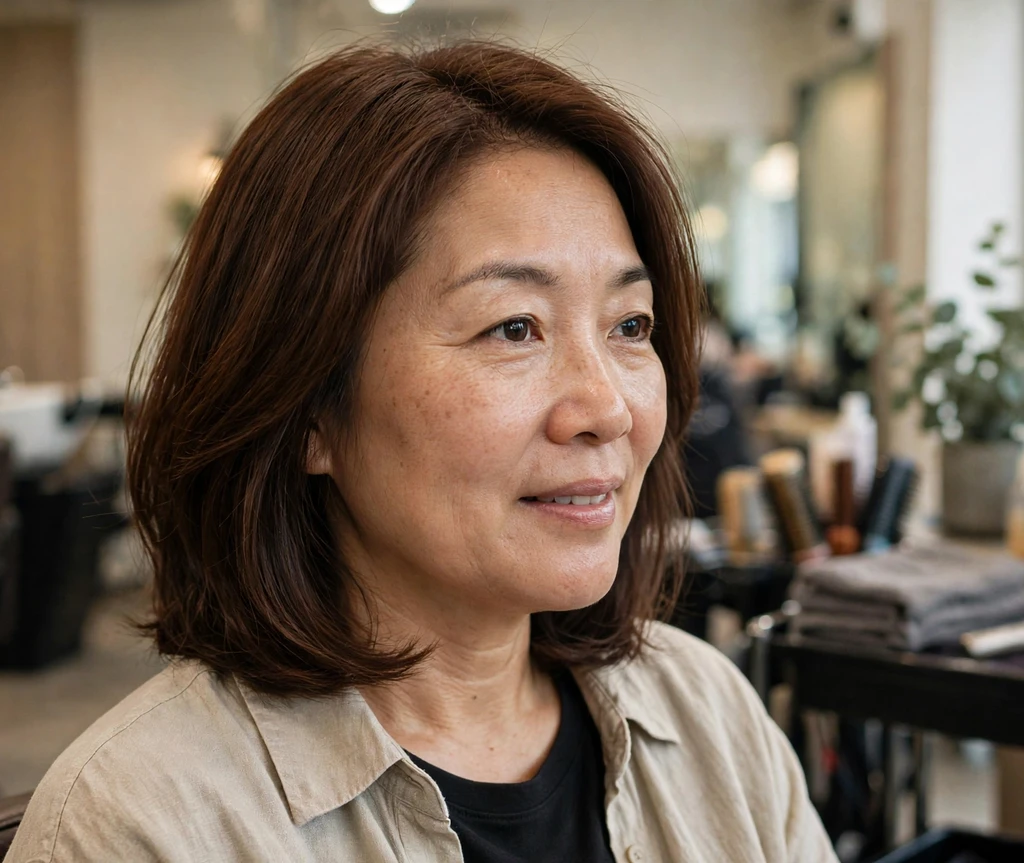
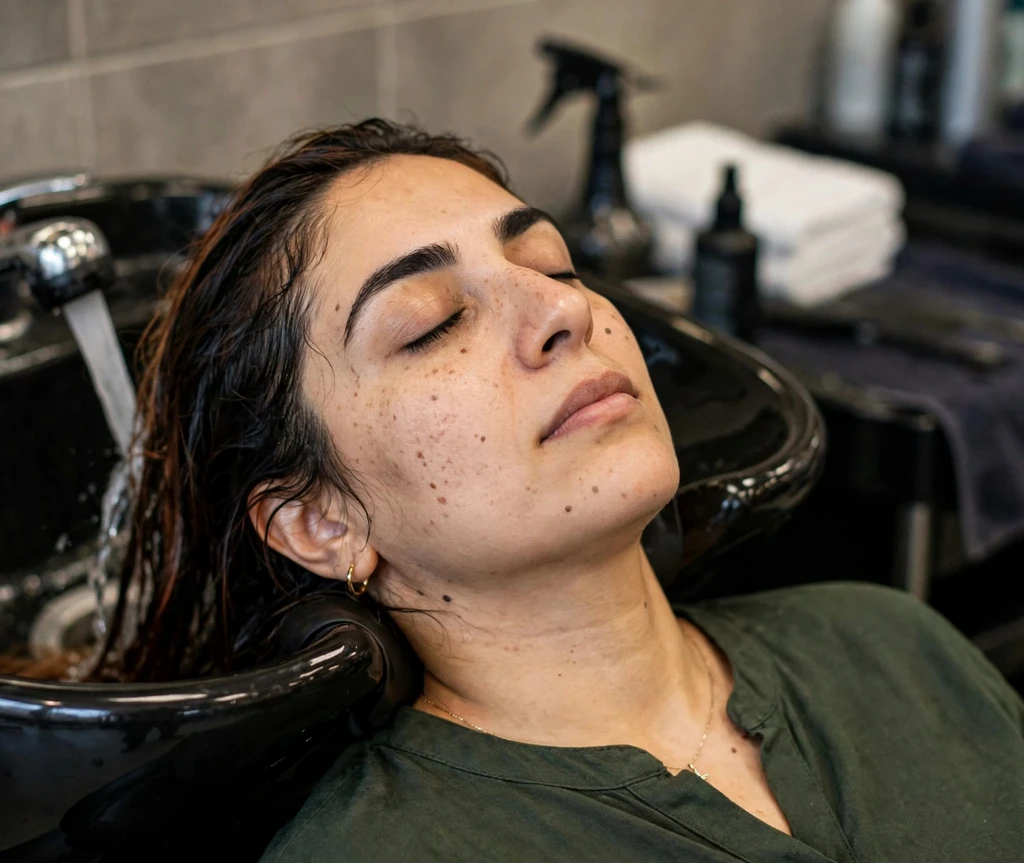
Every shampoo fades color a little — hot water opens the cuticle and lets pigment escape. People who wash daily can lose vibrancy in two weeks; those who wash twice a week often get six. Your wash frequency is secretly setting your dye schedule.
Stretch your color by washing less often, using dry shampoo between washes, and always rinsing with lukewarm or cool water. Wait at least 48 hours after dyeing before the first wash — the cuticle needs time to fully close and lock in the color.
27. Sulfate-Free Shampoo Buys You Extra Weeks

Sulfates are strong detergents that strip color aggressively. Switching to a sulfate-free, color-safe shampoo is the single easiest change that extends time between dye sessions — many people gain an extra one to two weeks of vibrancy.
Pair it with a color-safe conditioner and a weekly mask, and wash with cooler water. These small habits compound: less stripping per wash means slower fading overall, which means fewer dye appointments per year and healthier hair as a result.
28. Heat Styling Fades Color Faster
Flat irons, curling wands, and high-heat blow-drying all accelerate color fade — heat opens the cuticle and literally cooks pigment out, especially reds and fashion shades. Heavy heat users often need color twice as often as air-dryers.
Always use a heat protectant, lower your tool temperatures, and embrace heat-free styling a few days a week. If your color fades dramatically within days of styling, heat — not the dye — is likely the culprit. Protect the investment you’ve already made.
29. Sun And Chlorine: The Silent Color Killers
UV rays bleach and oxidize hair color just like they fade fabric, and chlorine strips and discolors it — blonde turns greenish, brunette turns brassy. Summer swimmers and sun-lovers often need an extra gloss or toner mid-season.
Wet your hair with clean water before swimming (saturated hair absorbs less chlorine), wear a swim cap for long sessions, and use a UV-protectant spray or hat in strong sun. A clarifying shampoo after swimming removes chlorine before it can do lasting damage.
30. Deep Conditioning Between Appointments
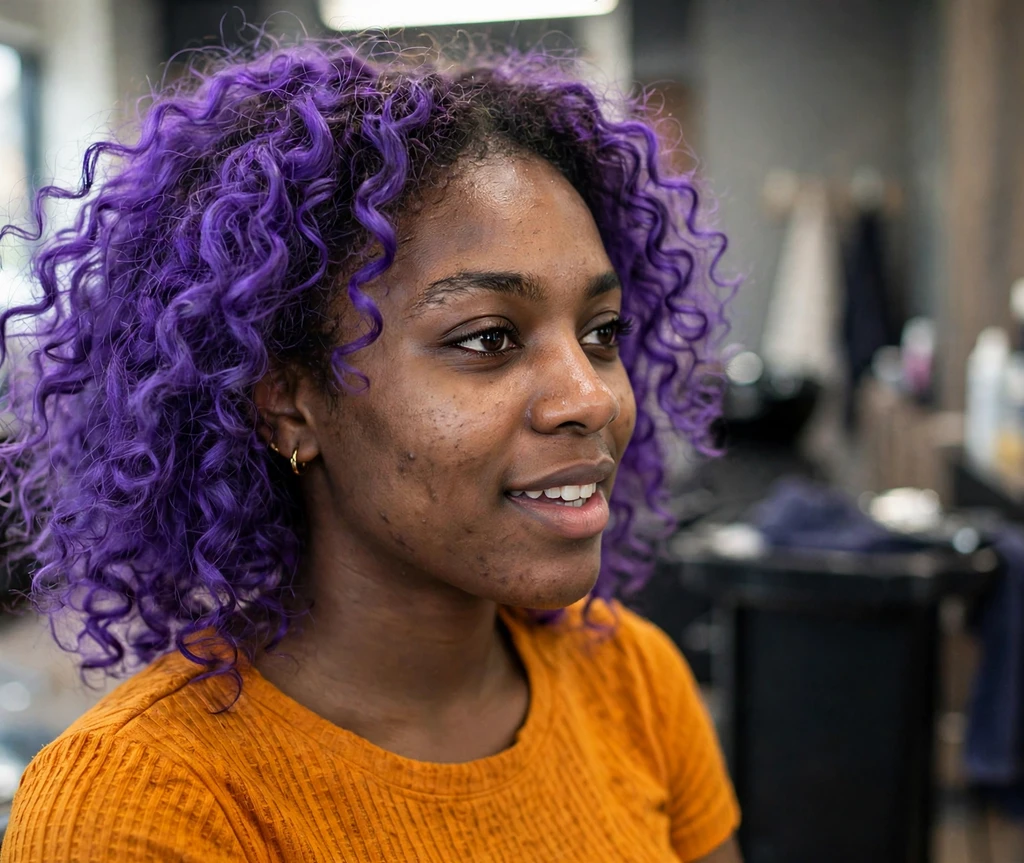
A weekly deep-conditioning mask is non-negotiable for dyed hair. Color processing — even gentle kinds — depletes moisture, and dry hair fades faster, breaks easier, and looks duller, which tricks you into dyeing again sooner than necessary.
Well-moisturized hair holds color longer and looks richer, directly extending your dye schedule. Focus masks on the mid-lengths and ends, leave them on for the full recommended time, and add heat (a warm towel or cap) to help penetration. Consistency beats intensity.
See also: 33 Sleek Hairstyles For A Polished, Modern Look
31. Protein Treatments: Timing Matters
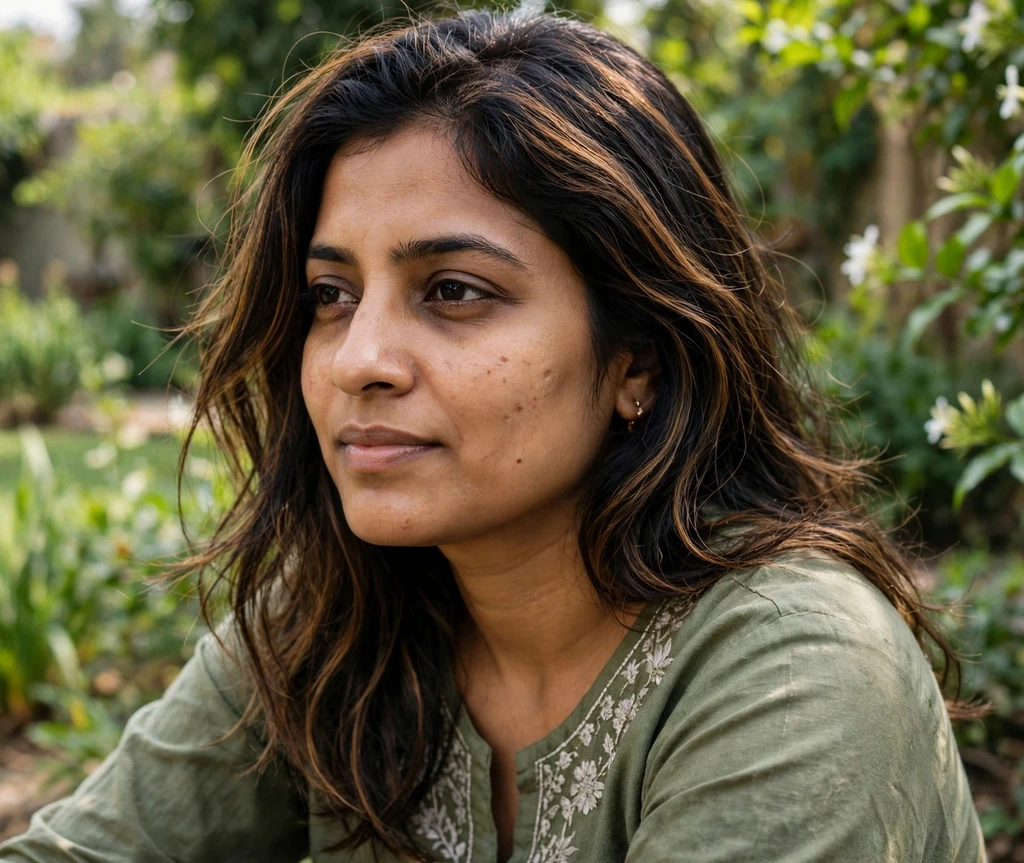
Chemical services break down keratin, the protein hair is made of. Protein treatments rebuild that structure — but timing matters. Do a protein treatment one to two weeks before dyeing (never the same day), so the hair is strong enough to handle processing but not overloaded.
Too much protein makes hair stiff and brittle, so alternate protein weeks with moisture weeks. If your hair feels mushy and over-stretched when wet, it needs protein; if it feels rough and snaps, it needs moisture. Learning the difference keeps your dye schedule on track.
32. When To Take A Color Break
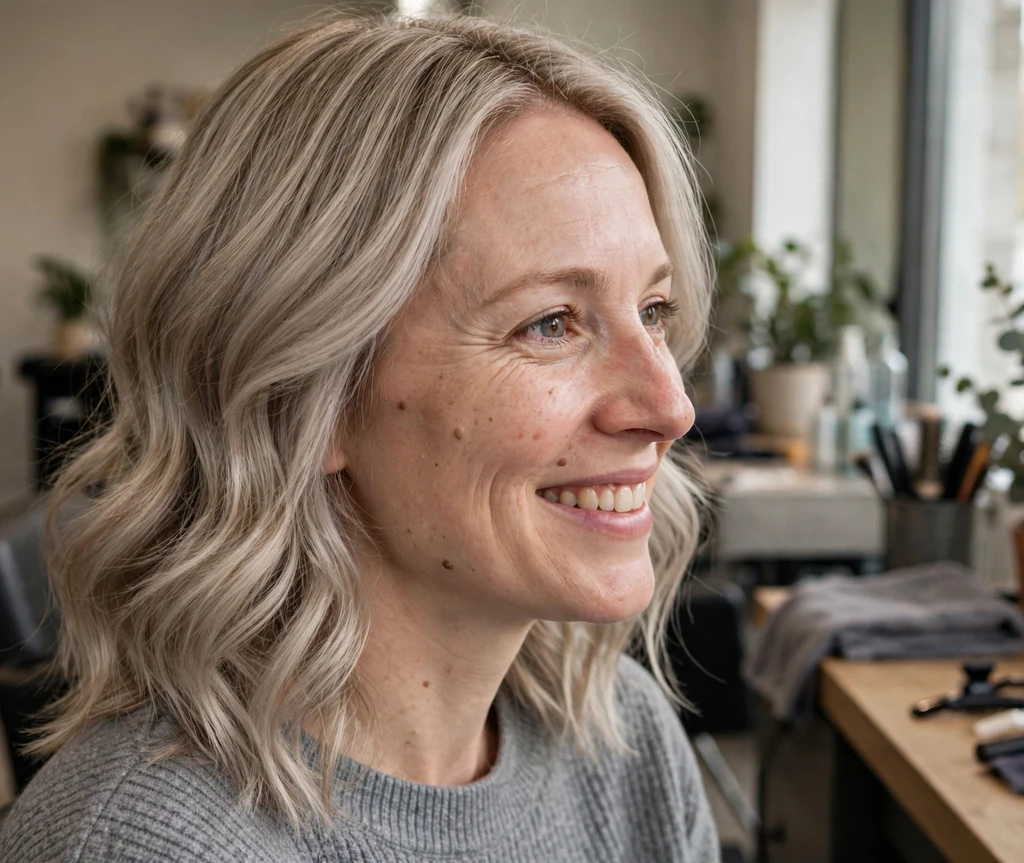
Sometimes the healthiest choice is a pause. Consider a color break — four to eight weeks with no chemical services — if your hair is breaking, your scalp is irritated, your color won’t hold anymore, or you’re simply tired of the maintenance cycle.
A break doesn’t mean looking unkempt: root sprays, glosses, and strategic styling carry you through. Many people discover during a break that they love a softer, lower-maintenance look — or that their natural color, embraced with a great cut, was the answer all along.
33. Transitioning Back To Natural: The Grow-Out Plan
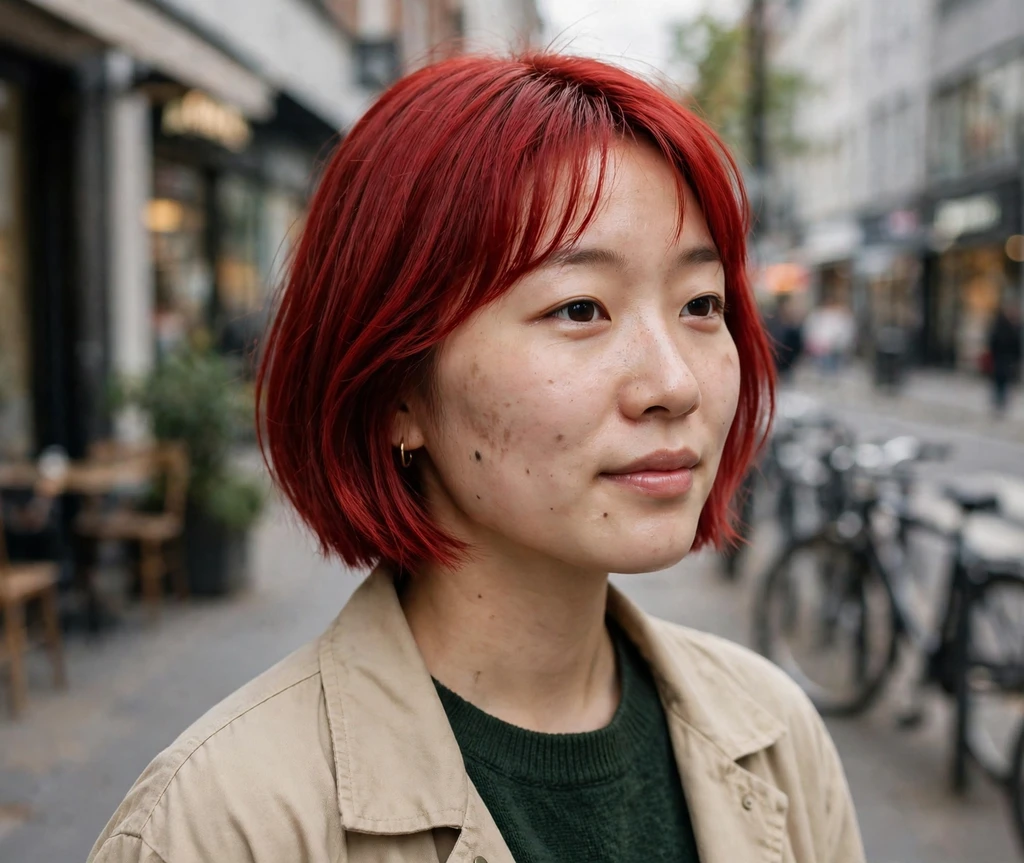
Growing out dye is a marathon, not a sprint. The smoothest path is usually a series of transitional appointments — your colorist gradually shifts your dyed color closer to your natural shade with lowlights, glosses, or a root melt — rather than one dramatic chop.
Expect the transition to take six to twelve months depending on length. Regular trims remove dyed ends progressively, and the grow-out looks intentional rather than neglected. Patience here saves you from the harsh line that makes most people give up and re-dye.
34. Consultation First: Let A Colorist Set Your Schedule
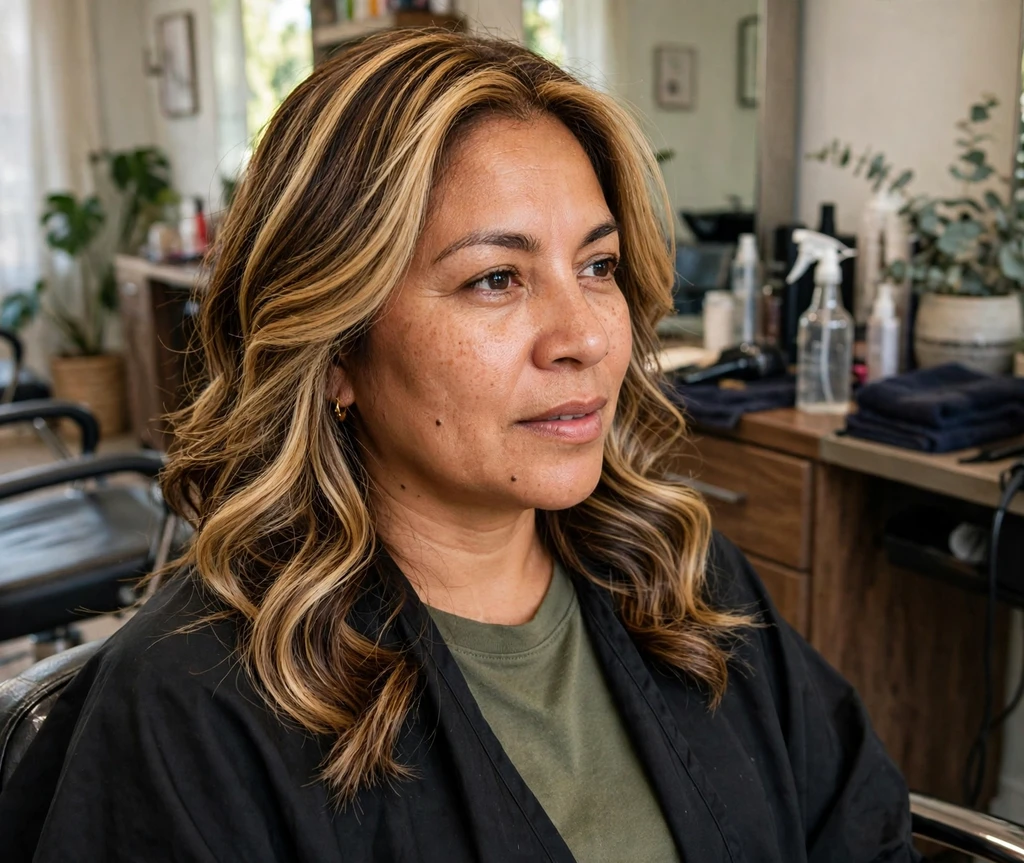
Generic timelines are starting points, but your ideal schedule is personal. A good colorist assesses your hair’s texture, porosity, damage history, and goals — then sets a custom rhythm, often with alternating full and partial services to minimize damage and cost.
Bring honesty to the consultation: how often you heat-style, how you wash, whether you’ll do at-home maintenance. The more your colorist knows, the better they can design a schedule you’ll actually follow. A realistic plan beats a perfect plan you abandon.
How To Build Your Dye Schedule
Start with your dye type as the baseline — permanent every four to six weeks, bleach every six to eight, balayage every three to four months — then adjust for your reality. High-contrast colors and fast-growing hair shorten the cycle; gentle formulas, lived-in placement, and good aftercare stretch it. Write your next three appointments down and treat the in-between ones as gloss or partial services rather than full color.
Then protect the schedule with habits, not just products: wash less and cooler, go sulfate-free, heat-protect every time, deep condition weekly, and do the wet-stretch test monthly. The people with the healthiest dyed hair aren’t dyeing less because they’re lucky — they’re dyeing less because their aftercare makes every color last longer. Build the routine, and the schedule takes care of itself.
Conclusion
How often can you dye your hair? As often as your hair’s health allows — which, with the right approach, is exactly as often as your roots demand and no more. Respect the timelines for your dye type, never overlap permanent color, give bleach the full six to eight weeks, and let aftercare do the heavy lifting between appointments.
Your hair keeps score of every chemical service, so make each one count. Choose the gentlest formula that achieves your goal, space appointments honestly, and listen when your hair asks for a break. Do that, and you can enjoy beautiful color for years without ever hitting the damage wall. Here’s to vibrant hair — on a schedule your hair can actually sustain.