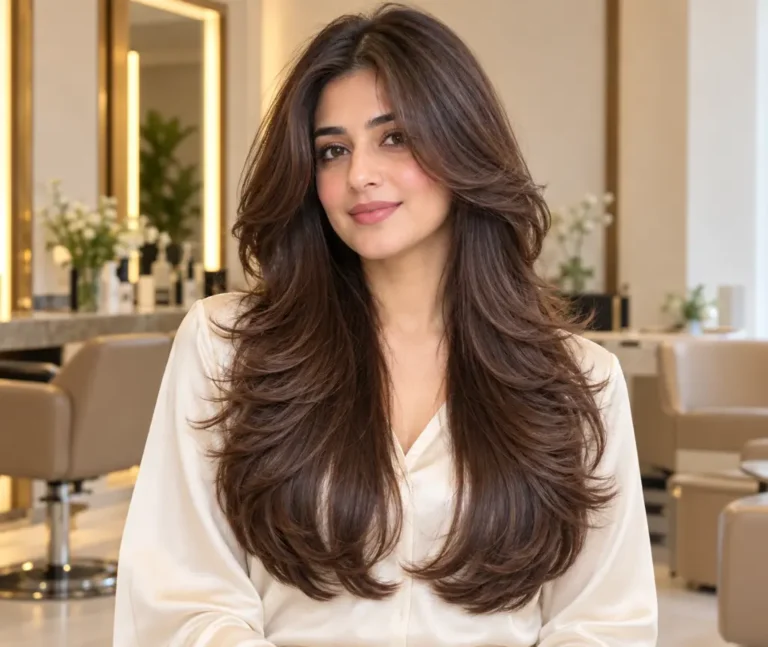
18 Stunning Short Bobs for Fine, Thin Hair

Finding the right haircut for fine, thin hair can make a dramatic difference in how full, healthy, and polished the hair appears. One of the most reliable options is the short bob, a timeless haircut that can create stronger ends, improve movement, and reduce the flatness that often comes with longer fine hair. By carefully controlling length, layering, graduation, fringe, and texture, a hairstylist can make naturally fine strands appear denser without relying on heavy styling products or complicated daily routines.
The best short bob hairstyles for fine thin hair are designed around structure rather than excessive layering. Blunt perimeters can make the ends look thicker, subtle graduation can create crown lift, and strategically placed waves or highlights can produce additional dimension. Whether you prefer a sleek bob, textured crop, stacked shape, curtain bangs, or a softly layered finish, these 18 chic short bob hairstyles offer flattering ways to create the appearance of fuller, more voluminous hair while keeping maintenance manageable.
1. Classic Short Bob
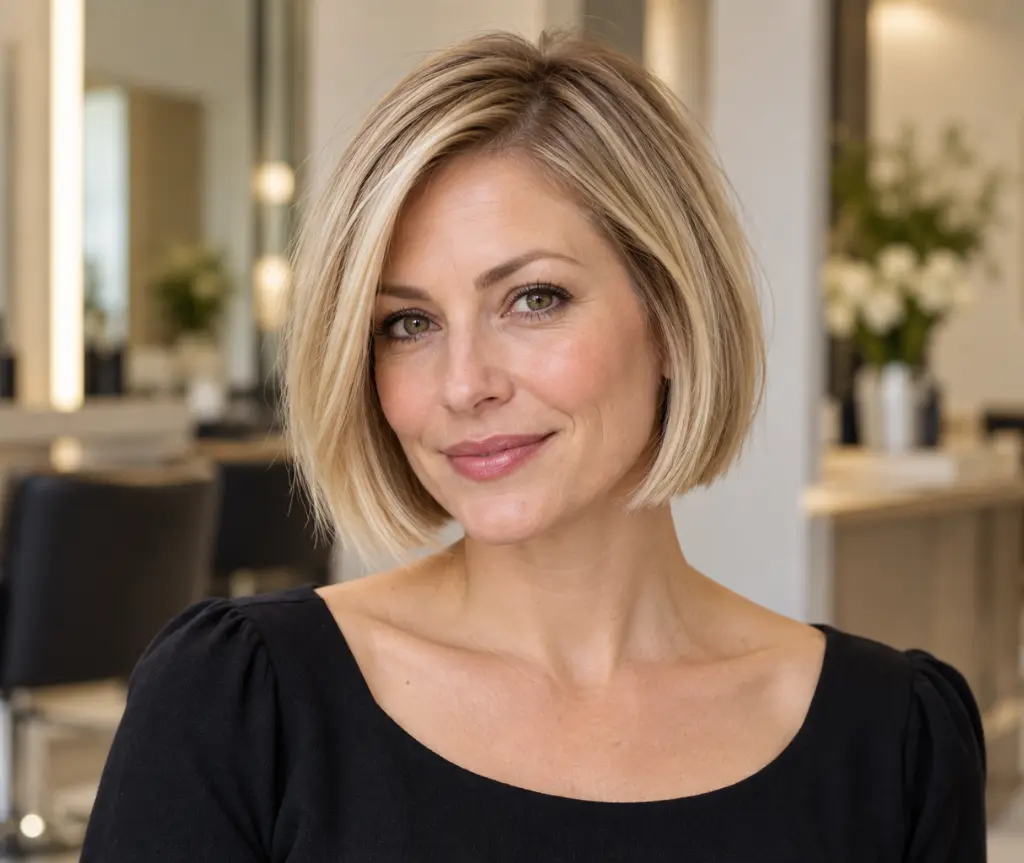
The classic short bob for fine thin hair remains one of the most flattering choices because its clean perimeter can make sparse ends appear significantly fuller. The haircut generally sits between the jawline and upper neck, creating a compact silhouette that prevents fine strands from looking stretched or weighed down. Keeping the baseline relatively blunt gives the ends more visual density, while minimal internal layering maintains as much natural thickness as possible. This timeless shape works especially well for straight or slightly wavy fine hair.
Styling a classic bob can be simple because the haircut itself creates most of the structure. Blow-drying with a round brush can add a gentle inward curve to the ends, while a lightweight volumizing mousse can provide subtle root lift without making the hair sticky. Fine hair usually benefits from avoiding heavy oils and thick waxes, which can quickly collapse the shape. A precise short bob can look polished even with minimal product, making it a practical option for anyone seeking thicker-looking hair and effortless elegance.
2. Angled Bob
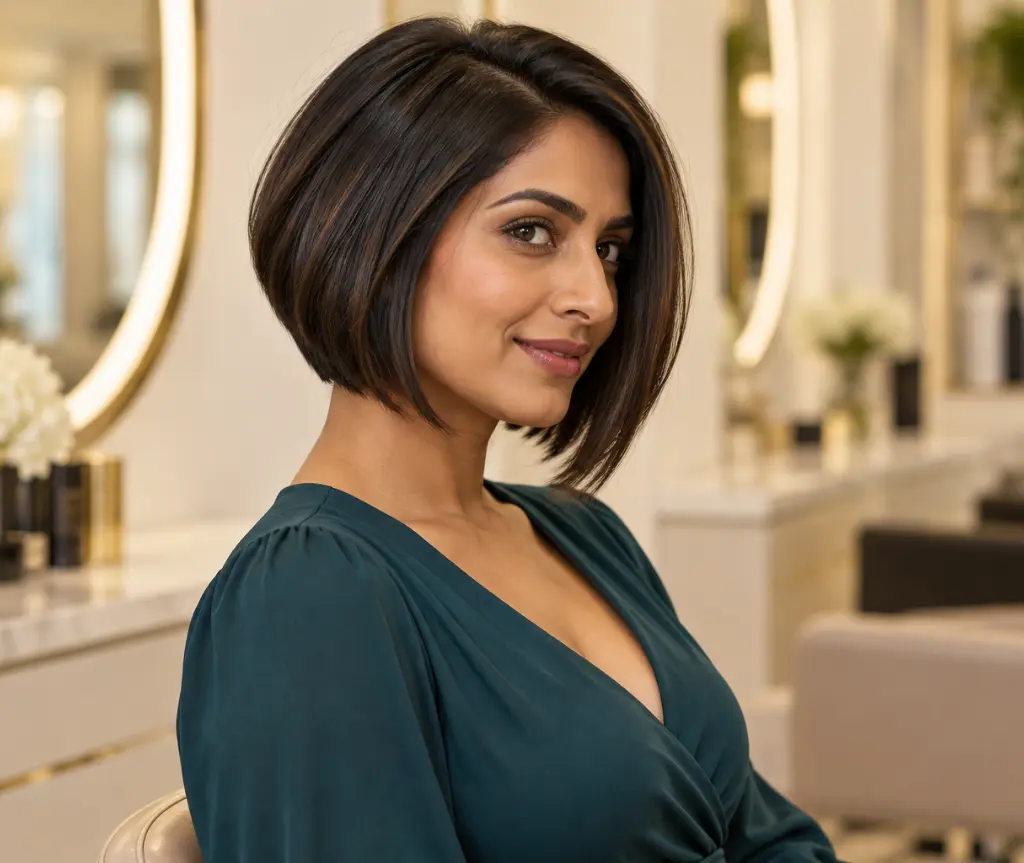
An angled bob for fine thin hair creates visual movement by keeping the back slightly shorter and gradually increasing length toward the front. This forward angle gives the haircut a strong geometric shape and prevents fine hair from appearing flat or shapeless. Subtle graduation through the back can create extra lift near the crown, while the longer front sections frame the face and preserve elegance. Because the overall perimeter remains strong, the haircut can create the impression of greater density without removing too much hair.
The angled structure also makes everyday styling relatively easy. Blow-drying the back with a small round brush can enhance crown volume, while the front sections may be worn sleek or softly curved inward. Lightweight root spray or mousse works better than heavy styling cream when extra lift is needed. The haircut is especially effective for women who want fine hair to look more sculpted and intentional. With a precise cut, the angled bob can deliver both fullness and a modern, sophisticated silhouette.
3. Textured Bob
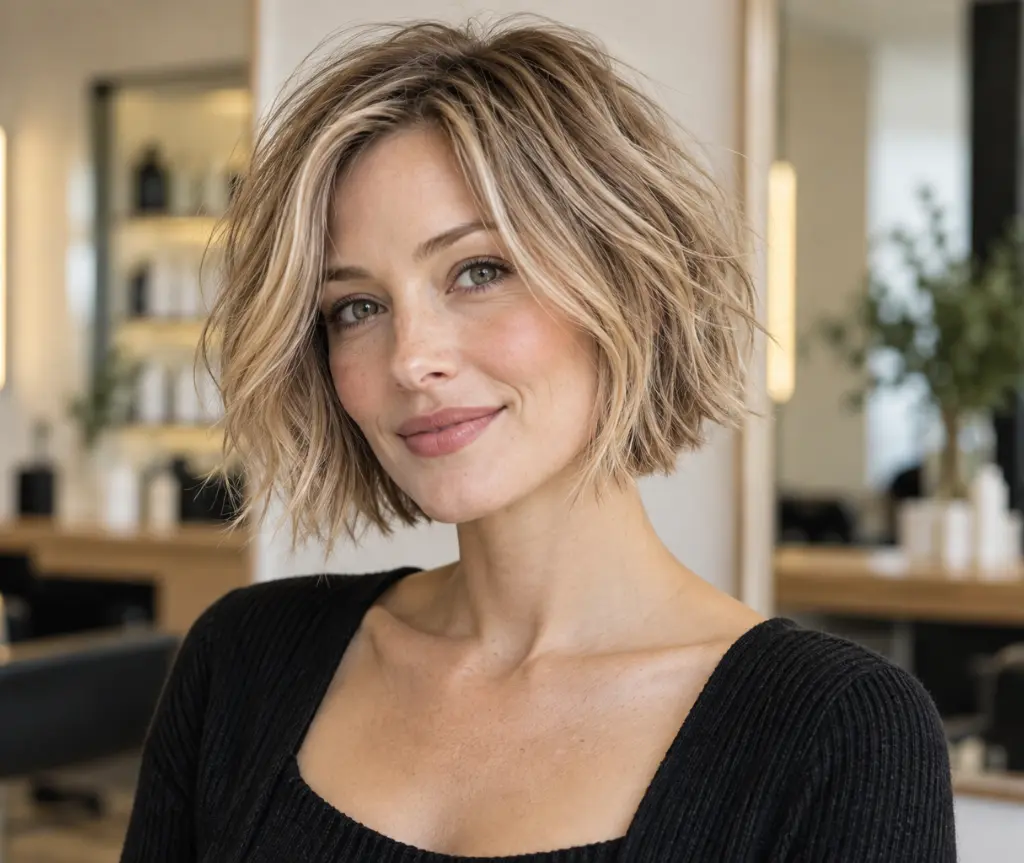
A textured short bob adds movement and dimension to fine hair by introducing carefully placed separation through the ends and crown. Unlike heavy layering, which can make thin hair appear even sparser, subtle texturizing creates lightness without sacrificing density. The goal is to prevent the haircut from sitting completely flat while still preserving enough weight through the perimeter. This approach works particularly well for women whose hair has a slight natural wave or whose strands need encouragement to hold body.
Styling should focus on enhancing texture without coating the hair heavily. A lightweight sea-salt spray, texture mist, or dry volumizing product can be applied sparingly to create separation and lift. Finger-styling helps maintain the slightly undone appearance, while excessive brushing can make the hair collapse. The textured bob is ideal for women who prefer a casual, contemporary hairstyle that still looks polished. When the cut is balanced correctly, even fine strands can appear airy, dimensional, and naturally fuller.
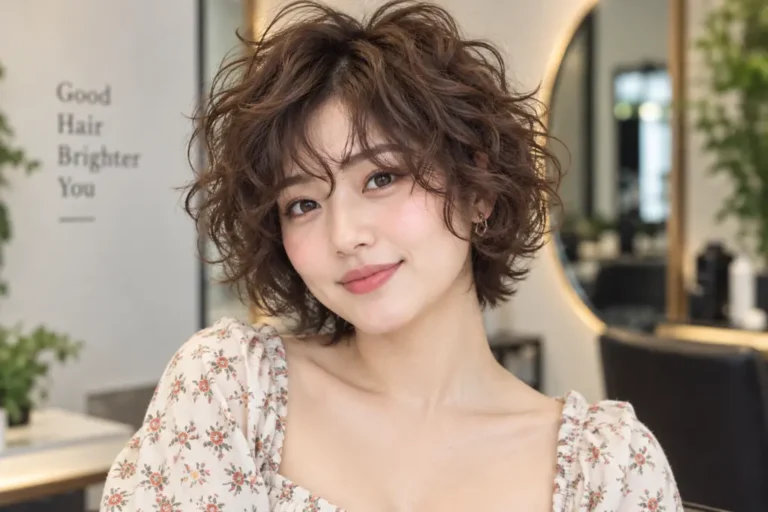
4. Messy Short Bob
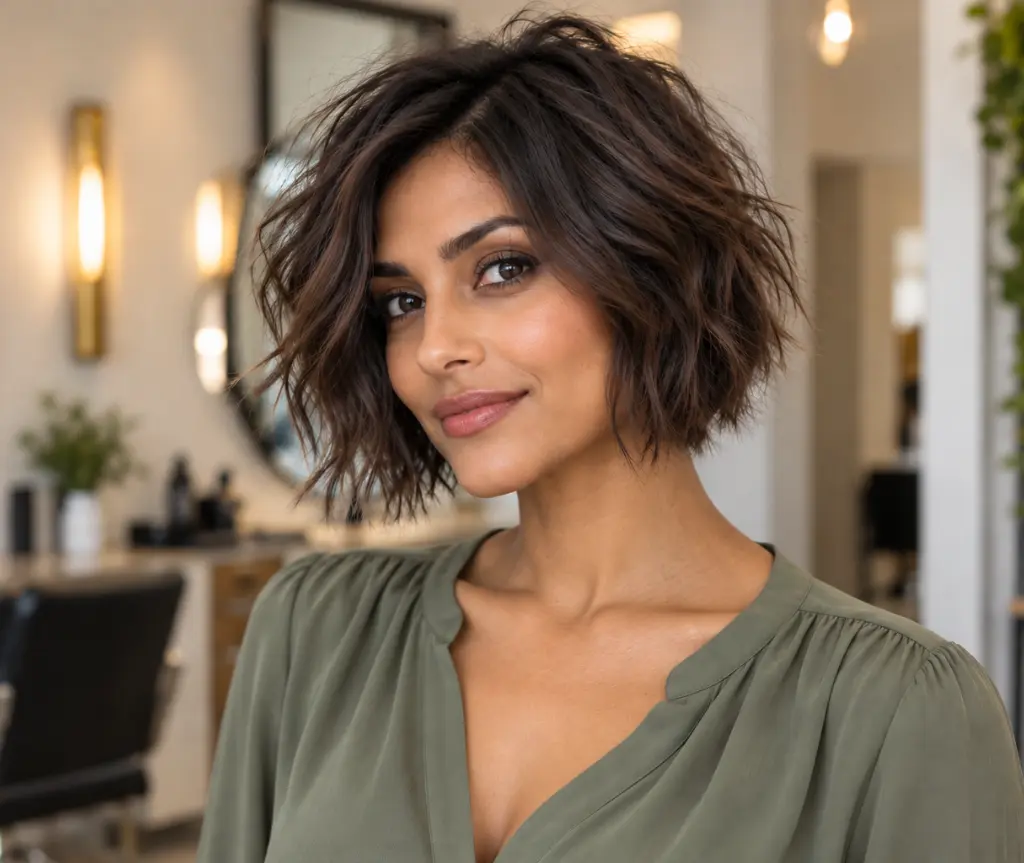
The messy short bob is perfect for fine thin hair because its intentionally relaxed texture can disguise areas where the hair lacks natural fullness. Instead of forcing every strand into a perfectly smooth line, the haircut uses slight irregularity, movement, and soft separation to create a fuller appearance. The perimeter should still retain enough strength to prevent the ends from looking wispy, while the crown can include very subtle layering. This creates a lived-in effect that feels modern rather than unkempt.
Styling a messy bob is usually quicker than styling a polished one. A small amount of texturizing mousse or dry spray can be scrunched through the hair to create lift and separation. Fine hair may also benefit from blow-drying in different directions before being arranged into place, as this encourages root volume. The finish should remain touchable rather than stiff. This style is especially useful for women who want their hair to look fuller without spending significant time creating a perfectly controlled shape every morning.
5. Layered Short Bob
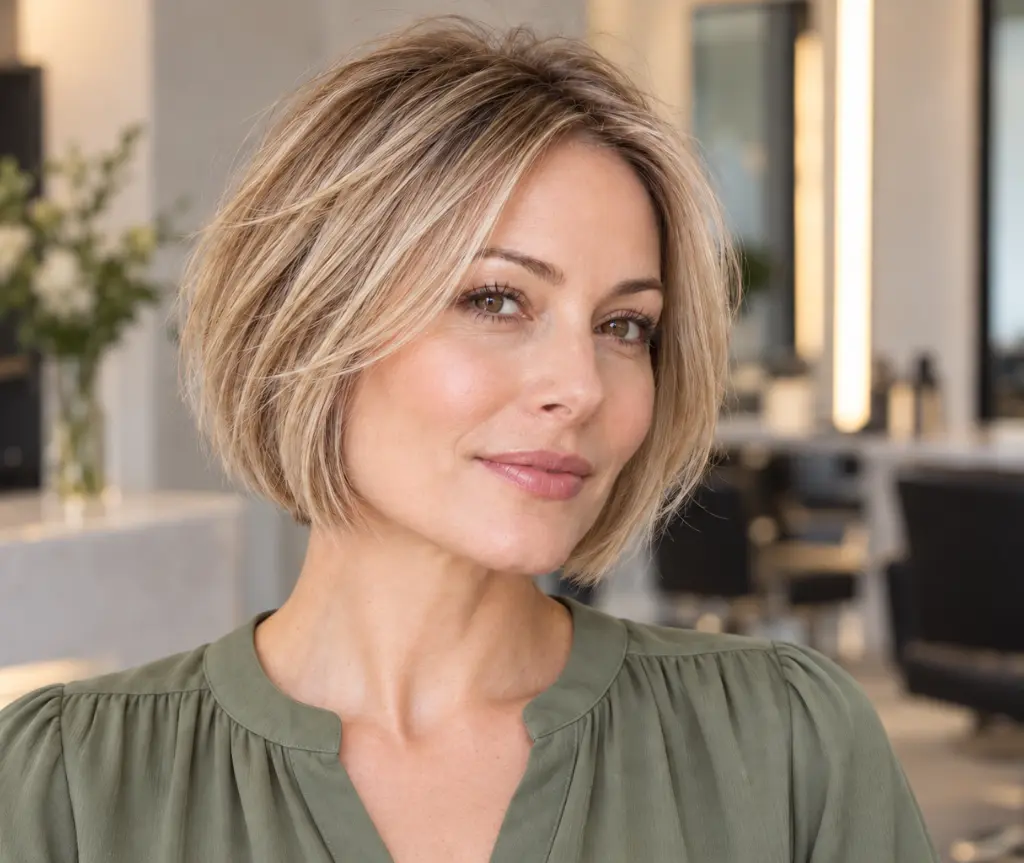
A layered short bob for fine hair can create movement when the layering is carefully controlled. The key is avoiding excessive thinning or too many short layers, which can reduce density and expose more scalp. Instead, a hairstylist can place soft layers through selected areas of the crown and front while keeping the overall perimeter relatively full. This creates just enough movement to prevent the haircut from sitting flat while maintaining the strong baseline that makes the hair appear thicker.
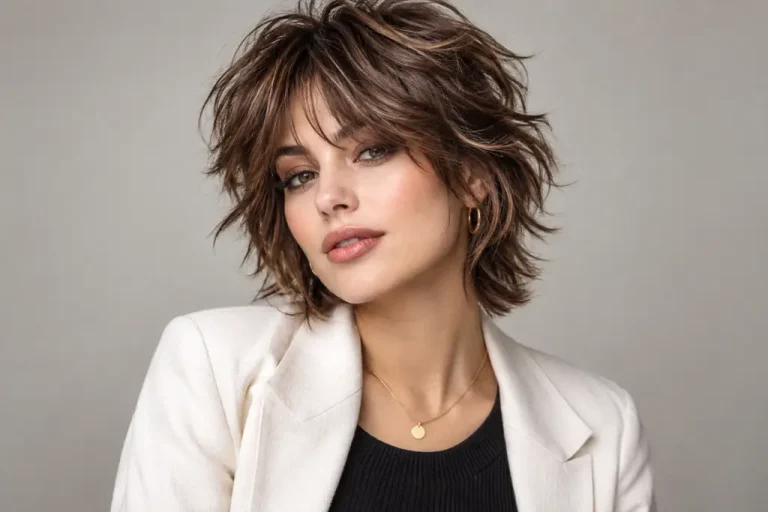
The layered bob can be styled straight, softly waved, or gently curved with a round brush. Fine hair often responds well to lightweight volumizing mousse applied near the roots, followed by blow-drying with moderate lift through the crown. Face-framing layers can add softness without sacrificing too much fullness. For women who want a little more movement than a blunt bob provides, subtle layering offers an excellent compromise between texture and density, creating a hairstyle that feels natural, flexible, and visually fuller.
6. Bob with Curtain Bangs
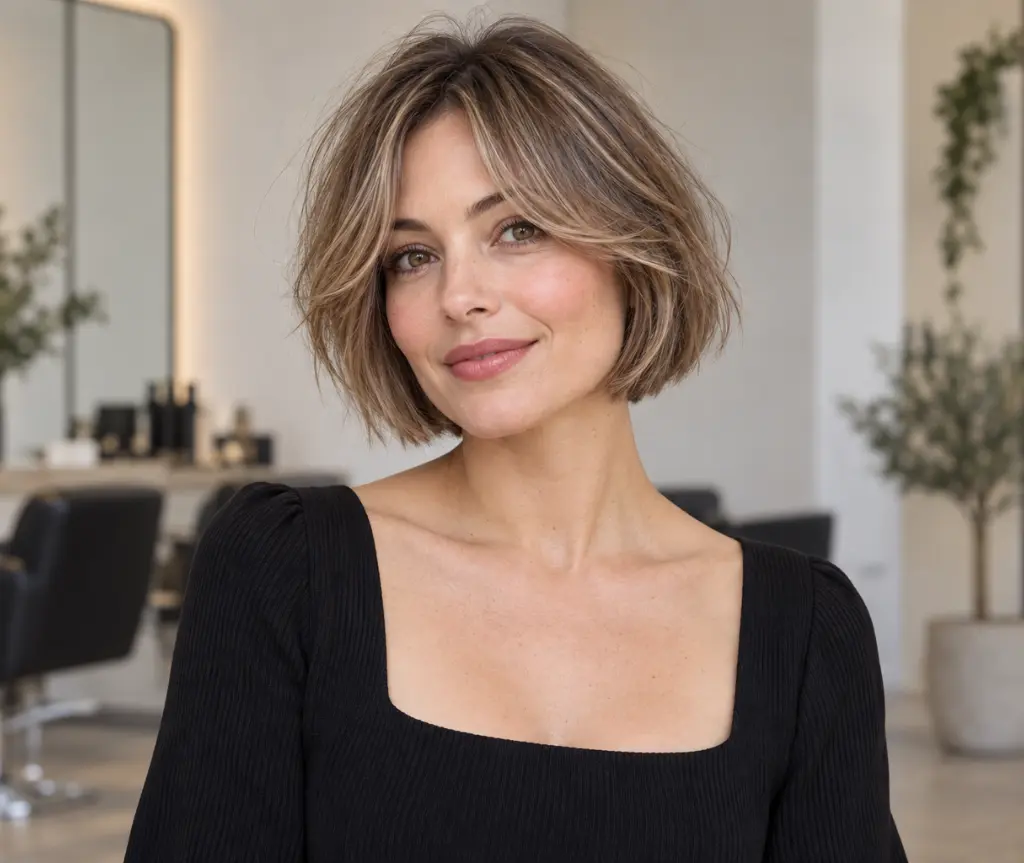
A short bob with curtain bangs adds face-framing movement without removing too much density from the rest of the hair. Curtain bangs usually separate near the center and gradually become longer toward the cheekbones, creating a soft opening around the eyes and face. For fine hair, the fringe should generally remain lightweight rather than overly thick so that too much hair is not removed from the crown. When blended carefully into the bob, curtain bangs can make the entire hairstyle feel softer and more dimensional.
The bangs can be styled with a small round brush or Velcro roller to create a gentle outward bend. Lightweight root spray helps prevent the fringe from falling completely flat, while dry shampoo can restore lift between washes. The remaining bob can be kept blunt or softly layered depending on density. This combination works especially well for women who want a modern haircut with face-framing detail but do not want the maintenance associated with heavy bangs. The result is chic, feminine, and surprisingly versatile.
7. Wavy Short Bob
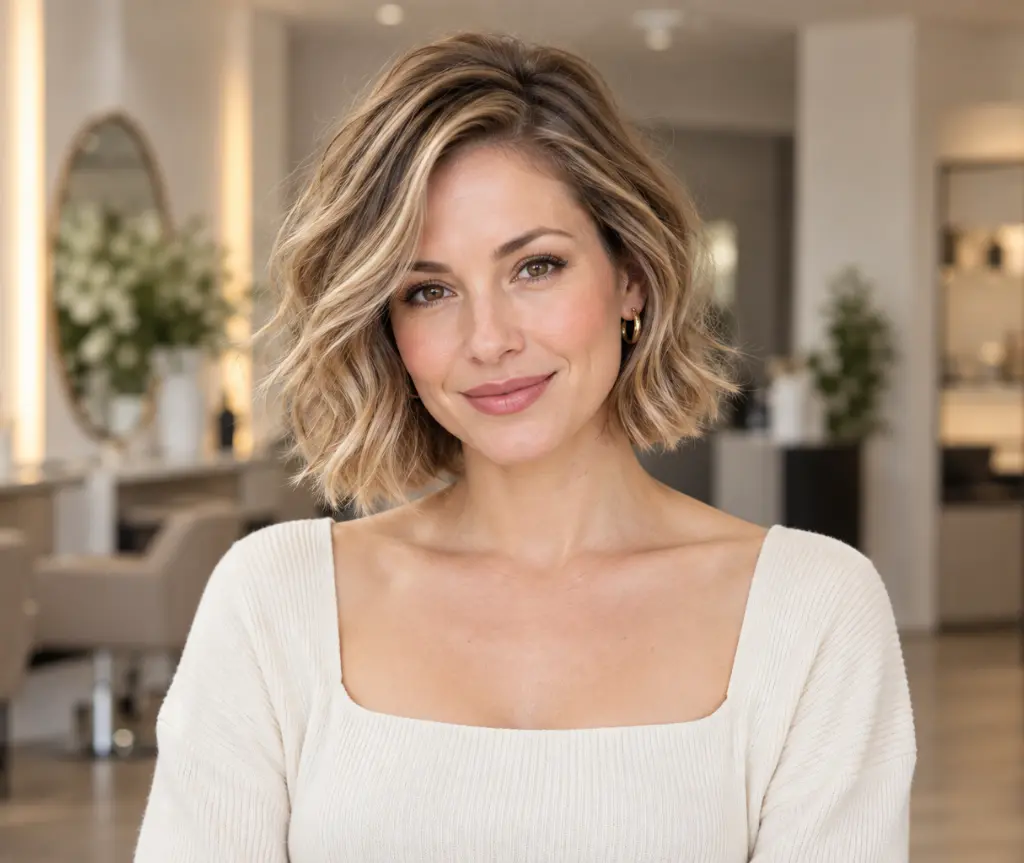
A wavy short bob can make fine thin hair look significantly fuller because each bend creates additional visual space between strands. Even gentle waves can break up a flat surface and make the hairstyle appear more dimensional. The haircut should usually retain a strong baseline so the ends remain substantial, while only minimal layering is introduced to support movement. This combination is particularly flattering for women who naturally have a slight wave or who enjoy creating loose texture with heat styling.
Soft waves do not need to be perfectly uniform. In fact, alternating the direction of a few sections can create a more natural and voluminous finish. A lightweight mousse or thermal styling spray can provide enough support without weighing down the hair. Once the waves cool, gently separating them with the fingers helps maintain fullness. The wavy bob is especially effective for fine hair because it creates the illusion of density through shape rather than relying on heavy product or aggressive teasing.
8. Blunt Bob
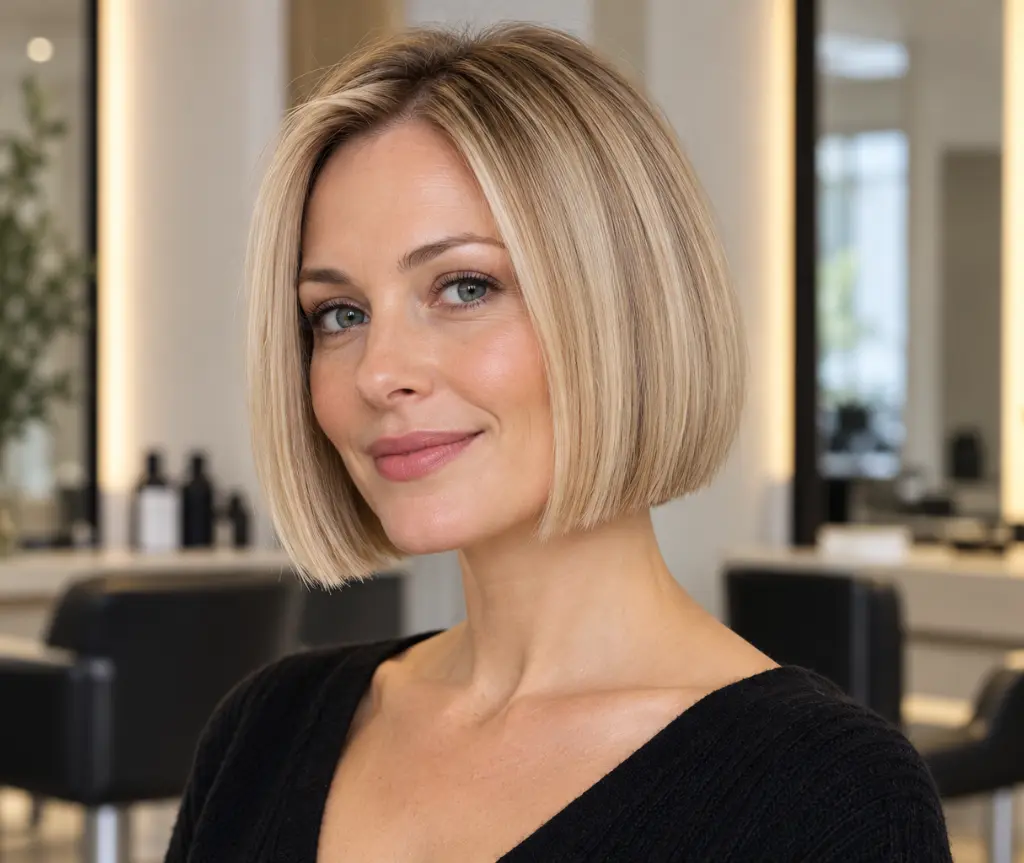
A blunt short bob is one of the strongest haircut choices for fine thin hair because the ends are cut at nearly the same length, creating a dense visual line. When fine hair is heavily layered, the ends can become sparse and transparent, but a blunt perimeter preserves as much thickness as possible. The haircut usually works best around the jaw or just below it, where the compact length prevents the strands from being pulled flat by their own weight.
The simplicity of the haircut also makes it easy to style. A smooth blow-dry can emphasize the precision of the baseline, while subtle root lift prevents the top from looking flat. Fine hair should generally be styled with lightweight products that add support without leaving residue. A blunt bob can also be worn with a middle or side part depending on face shape. For women whose main goal is to make their ends appear thicker and healthier, few short hairstyles are as effective as a well-cut blunt bob.
9. Side-Swept Bob
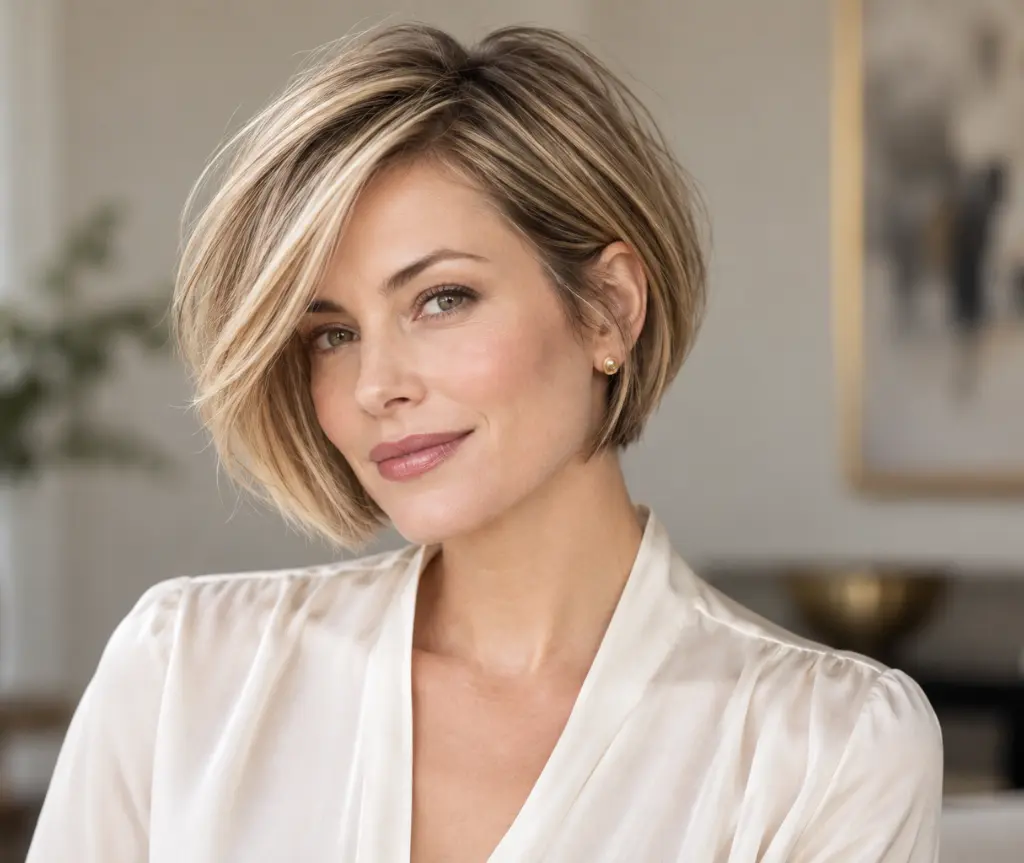
A side-swept short bob uses asymmetrical direction to create the impression of additional volume. By establishing a deeper side part, more hair is moved toward one side of the head, creating lift and fullness through the crown and front. This is especially useful for fine hair that tends to sit flat around a center part. The haircut itself can remain blunt or lightly layered, allowing the directional styling to provide most of the movement without sacrificing density.
Styling begins by blow-drying the roots away from the natural part to create lift, then directing the hair across to the chosen side. A light volumizing spray can help maintain the effect, while heavy shine serums should be used sparingly. The side-swept bob can look polished when smooth or more relaxed when softly waved. This versatility makes it an excellent option for women who want to create fullness through styling rather than relying on extensive layering or complicated haircut techniques.
10. Stacked Bob
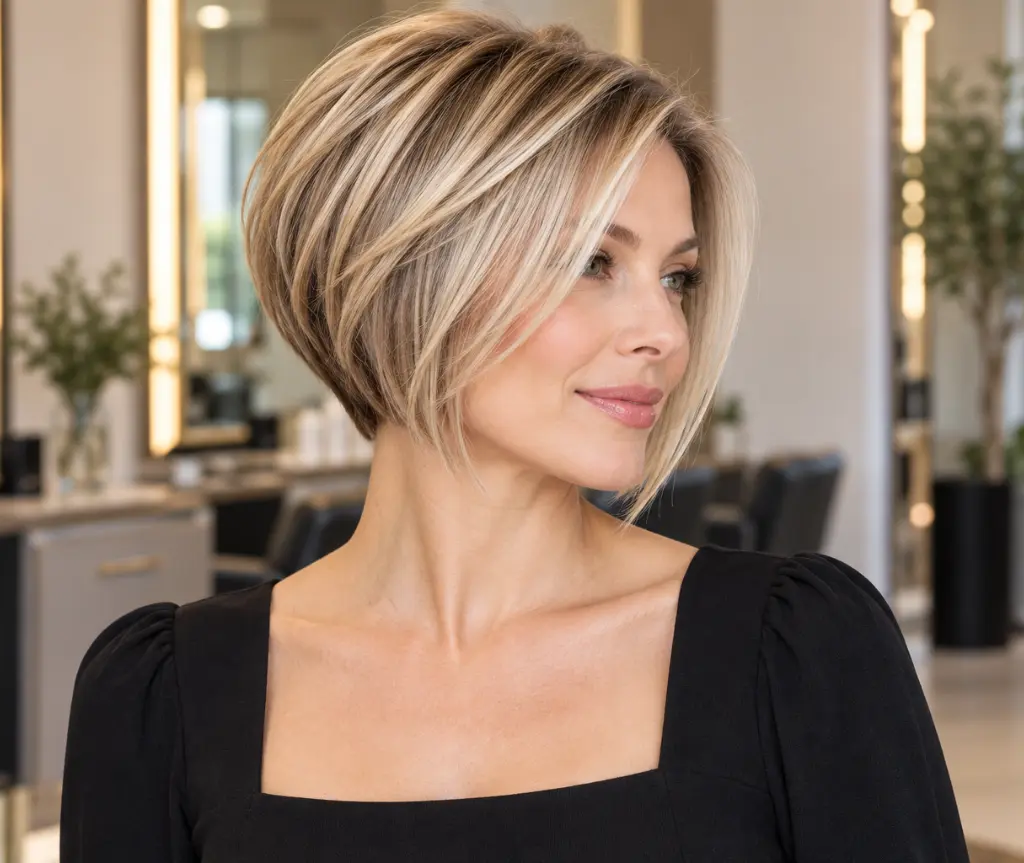
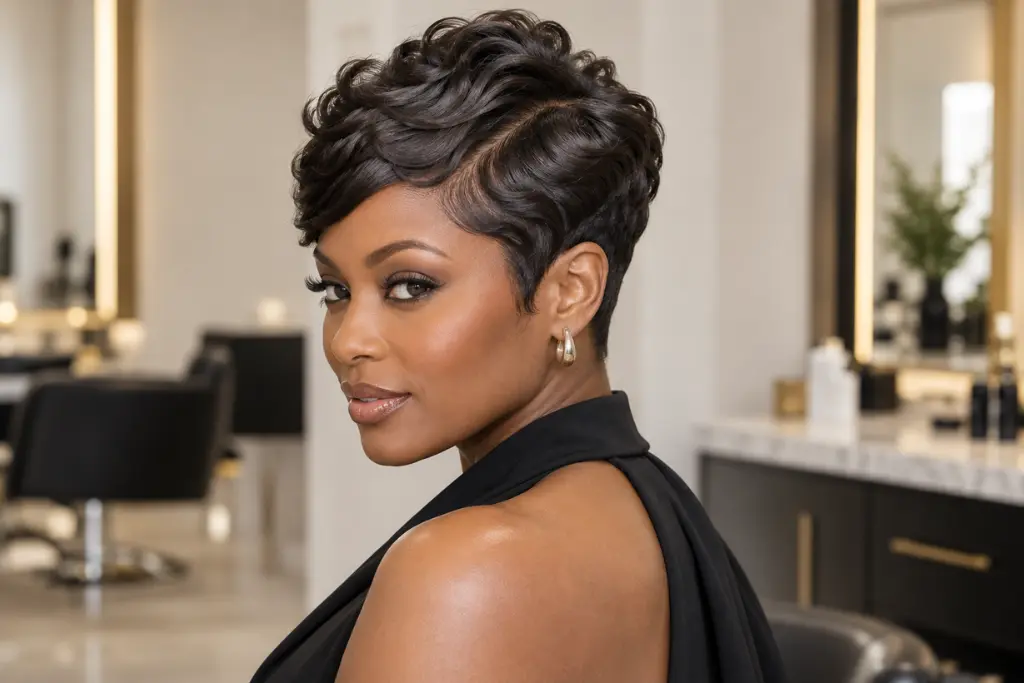
A stacked short bob uses graduated layers through the back to create lift and rounded volume near the crown. The shortest layers sit close to the neckline while progressively longer sections build upward, producing a fuller silhouette when viewed from the side. This structure can be especially beneficial for fine thin hair because the shape creates the appearance of more density without requiring extensive teasing or heavy styling. The front can remain slightly longer for balance and softness.
The stacked shape works best when the graduation is precise and not overly aggressive. If too much hair is removed, fine strands can begin to look sparse, so the back should retain enough density to preserve a smooth surface. Blow-drying with a small round brush can enhance the built-in lift, while a lightweight root mousse adds support. The haircut is an excellent choice for women who want noticeable crown volume and a more sculpted silhouette while keeping the overall length short and manageable.
11. Short Bob with Wispy Bangs
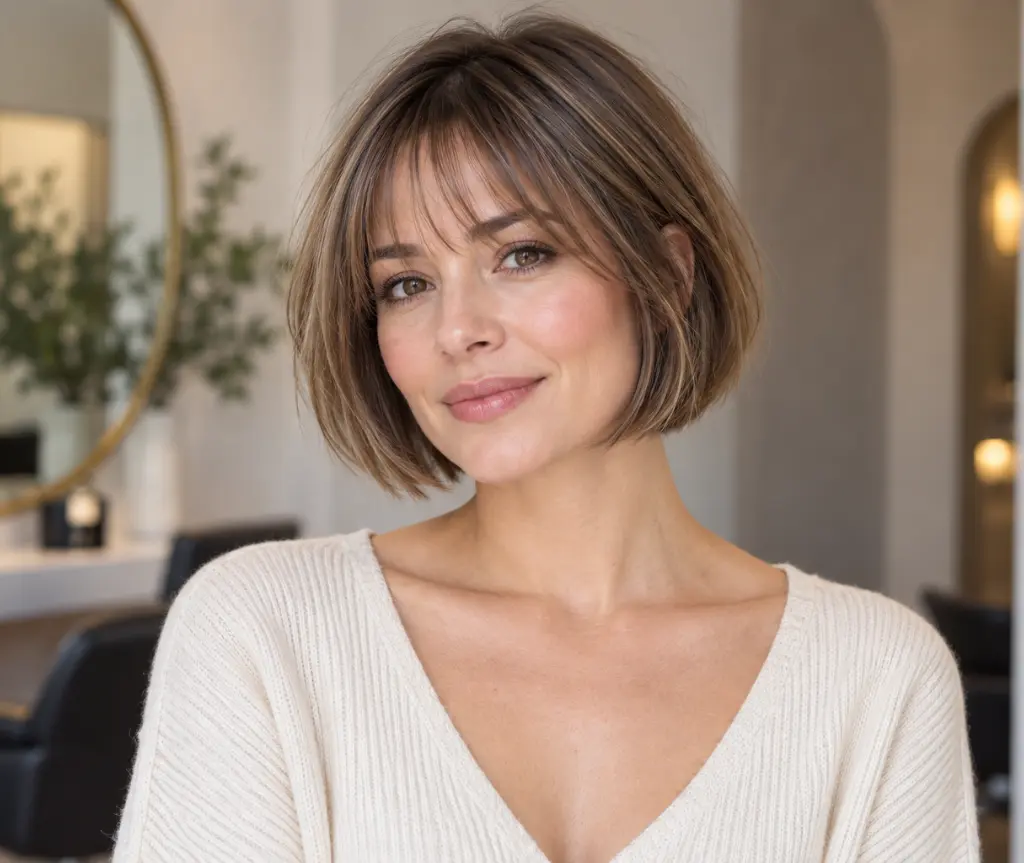
A short bob with wispy bangs adds softness around the forehead without removing a large amount of hair from the rest of the cut. Unlike a heavy blunt fringe, wispy bangs use fewer strands and maintain a light, airy appearance. This makes them particularly suitable for fine hair, where a thick fringe could reduce crown density. The bangs can sit around the brows or slightly longer, blending gradually into the sides of the bob to create natural face framing.
Styling should keep the fringe light and flexible rather than overly stiff. A small round brush can give the bangs a soft curve, while dry shampoo or texture powder helps maintain lift between washes. The rest of the bob can be blunt, softly layered, or gently waved depending on personal preference. Wispy bangs are a useful choice for women who want to update a short bob without dramatically changing the overall shape. They add movement and softness while preserving precious density through the crown.
12. Asymmetrical Bob
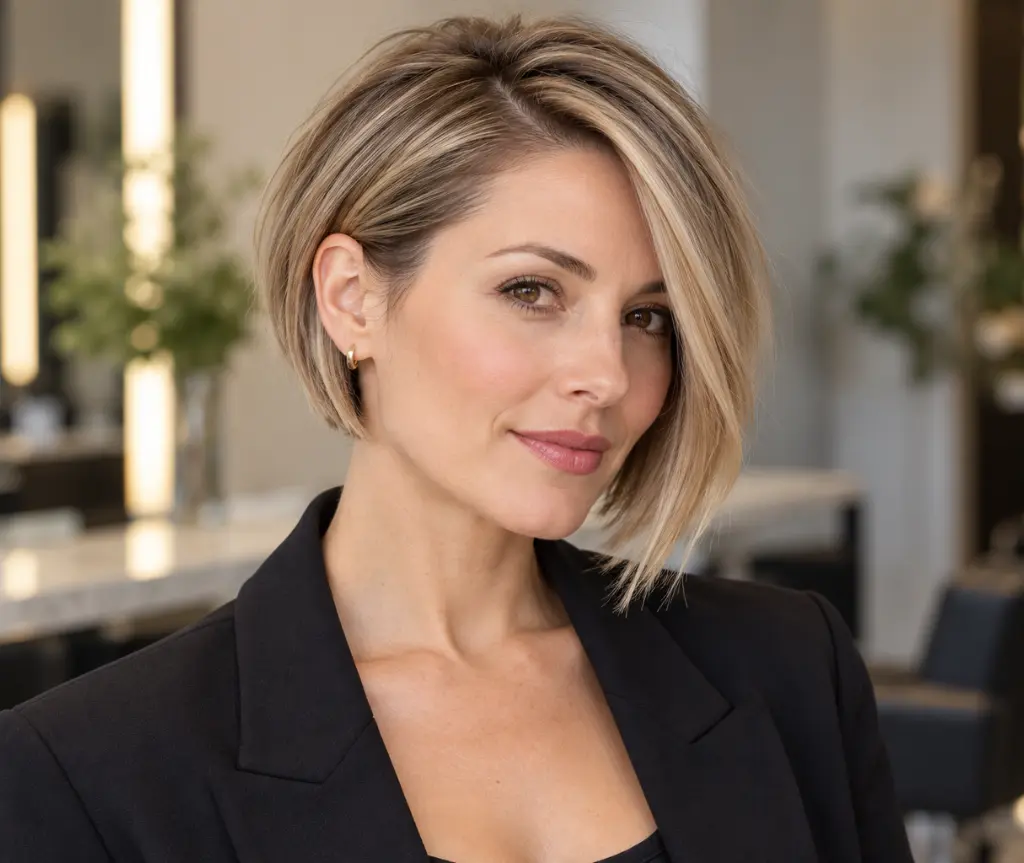
An asymmetrical short bob creates visual interest by keeping one side noticeably longer than the other. This intentional imbalance draws the eye along a diagonal line, which can make fine hair appear more dynamic and less flat. The shorter side can be tucked behind the ear while the longer side frames the face, creating a modern, editorial silhouette. Because the haircut relies on shape rather than heavy layering, the perimeter can remain strong enough to preserve the appearance of density.
The longer side can be worn sleek for a sharp finish or softly waved for additional movement. A deep side part often enhances the asymmetry and provides natural root lift. Fine hair should generally be supported with lightweight mousse, texture spray, or root powder rather than heavy pomade. Regular trims help maintain the intentional difference in length. For women who want a short bob that looks distinctive while still supporting thin hair, asymmetry provides an effective combination of structure and style.
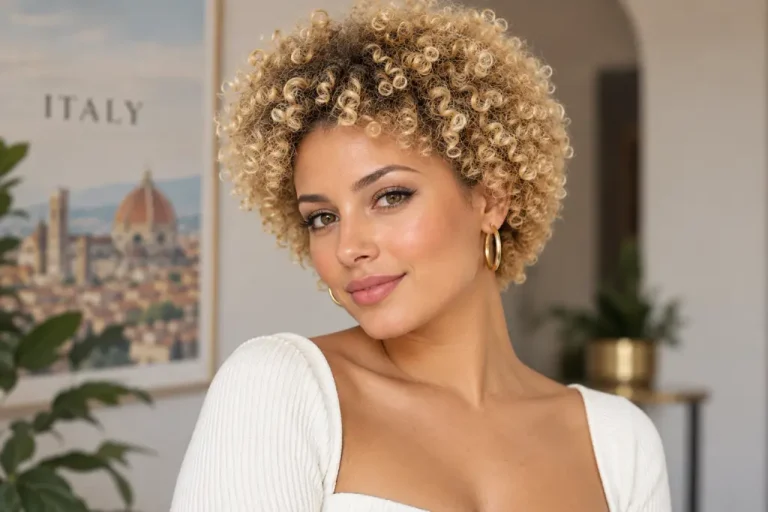
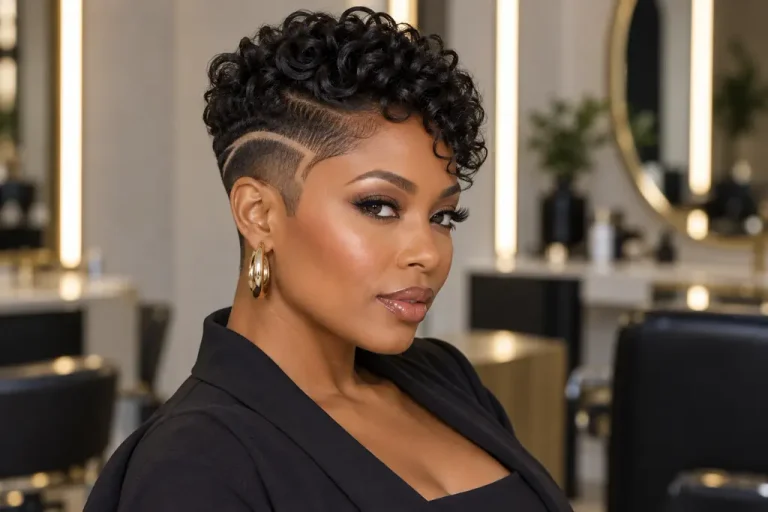
13. Curly Short Bob
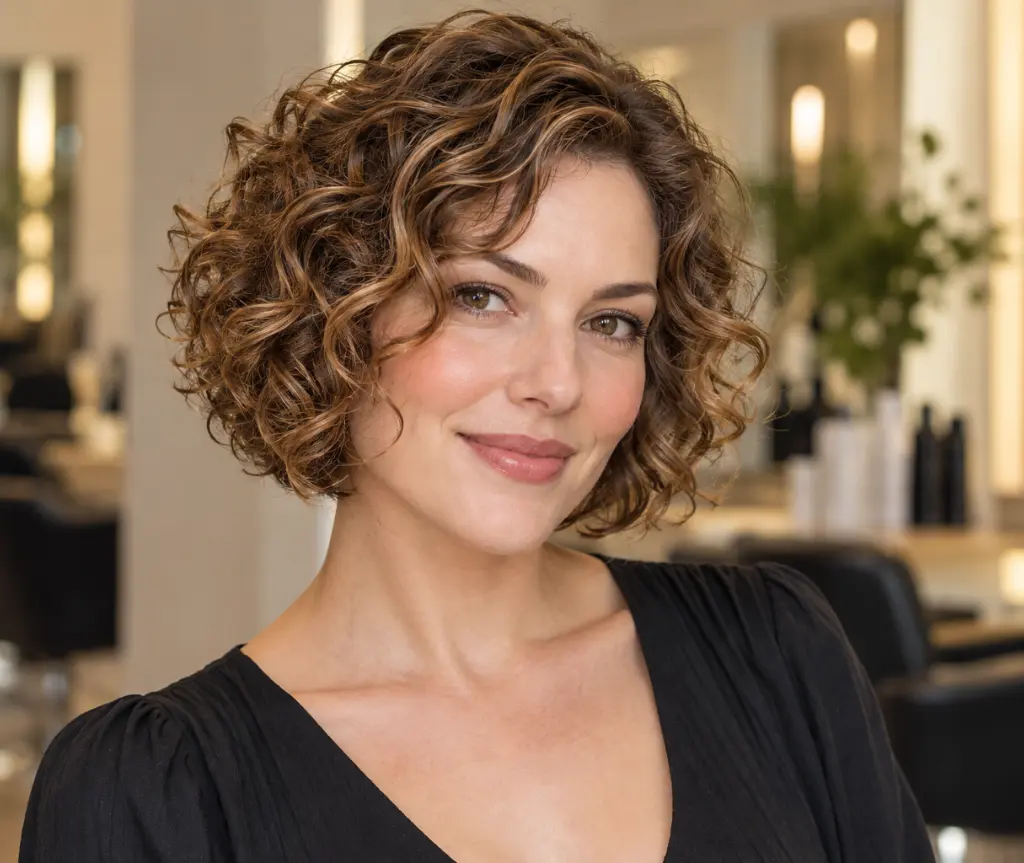
A curly short bob for fine hair uses curl and bend to create natural fullness around the head. Even when individual strands are fine, curls occupy more visual space than straight hair, which can make the overall hairstyle appear significantly denser. The haircut should preserve enough length for the curl pattern to form while preventing the ends from becoming too sparse. Subtle layering may help distribute volume, but excessive thinning should be avoided because fine curly hair can lose body quickly.
Moisture and lightweight definition are key to styling this bob. Heavy curl creams can overwhelm fine strands, so mousse, foam, or lightweight gel may provide better support. Diffusing with the head slightly tilted can create extra root volume, while air-drying gives a softer finish. Once dry, curls can be gently separated to increase fullness. The short curly bob works especially well for women who want a feminine, textured hairstyle that takes advantage of natural movement rather than fighting it.
14. Feathered Bob
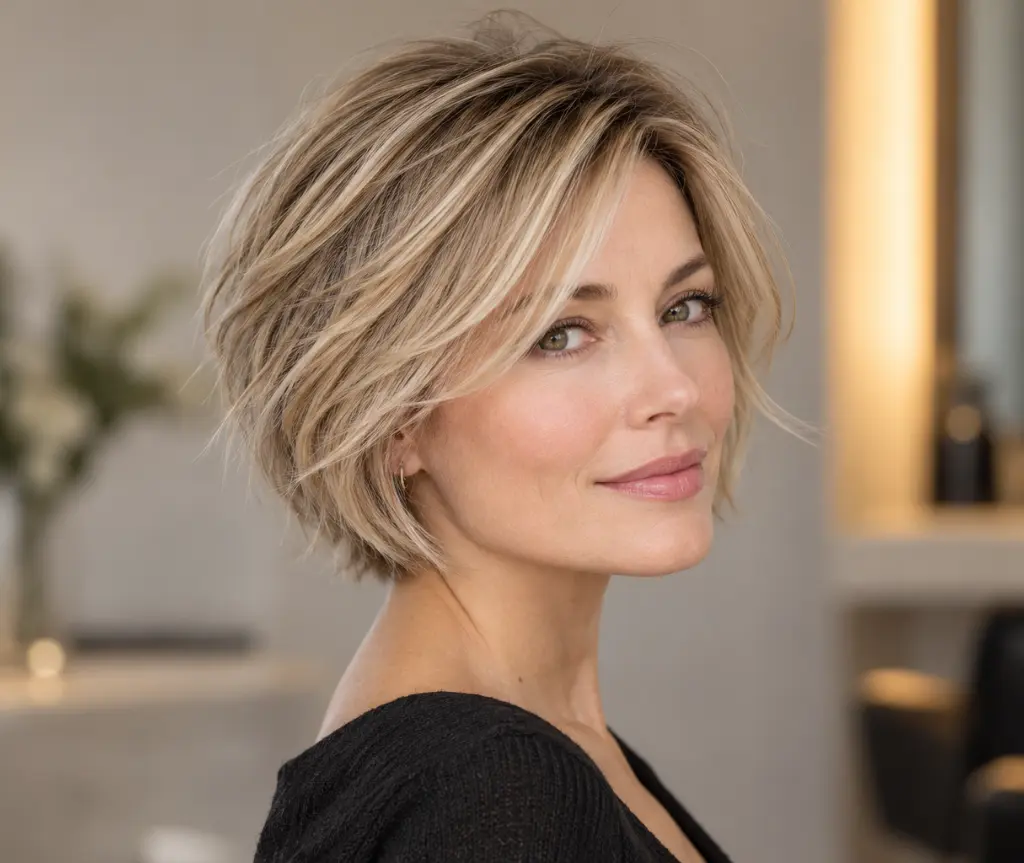
A feathered short bob creates softness through delicate, tapered sections that move away from the face and crown. The feathering should remain subtle on fine hair because excessive razor work or thinning can reduce density. When done carefully, however, light feathered ends can create movement and make the hairstyle appear more dimensional. The technique works especially well around the front, where face-framing sections can lift away from the cheeks and create a lighter, more open appearance.
Blow-drying with a small round brush helps emphasize the feathered movement. Lightweight mousse can create lift at the roots, while the front sections can be directed outward to produce a soft, airy finish. The haircut looks especially attractive on straight or slightly wavy fine hair because the tapered pieces remain visible without requiring much product. For women who prefer a softer alternative to a blunt bob, feathering provides movement while preserving an elegant short silhouette.
15. A-Line Bob
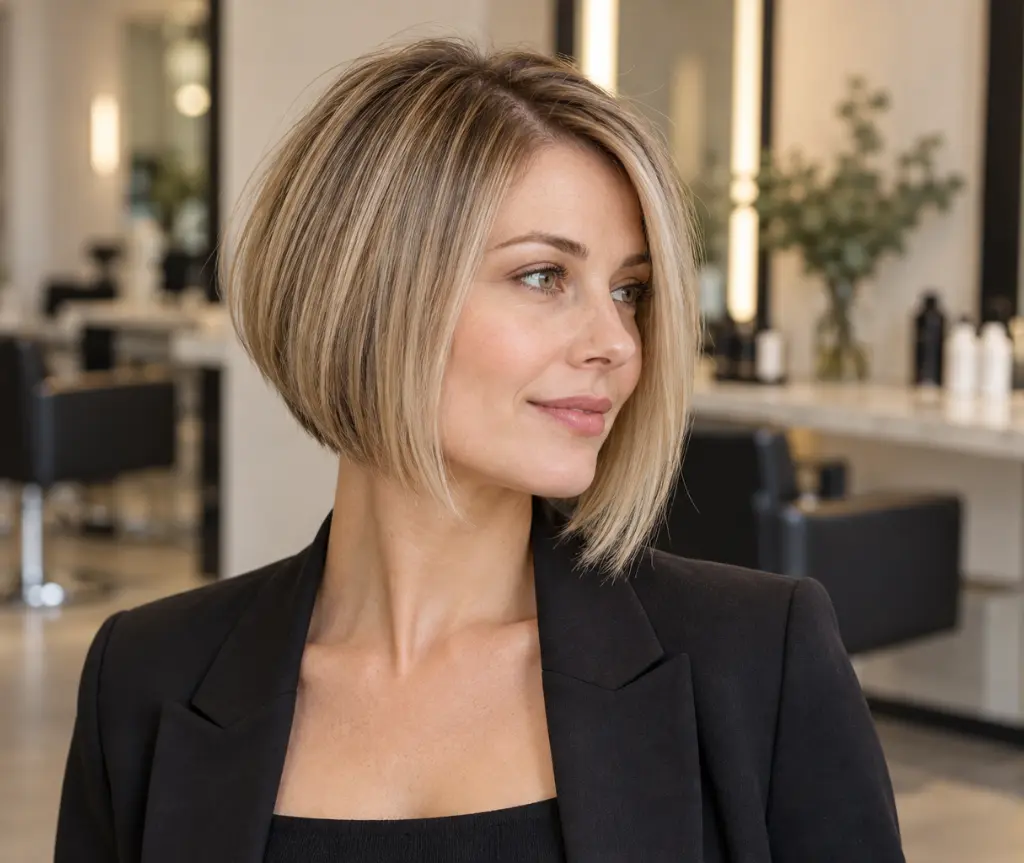
An A-line short bob is similar to an angled bob but often maintains a more continuous, clean perimeter from the shorter back toward the longer front. The shape creates a strong visual line that makes fine hair look polished and intentional. Because the haircut relies on geometry rather than heavy layering, most of the density remains concentrated through the ends. This can help thin hair appear thicker, particularly when the bob falls between the jaw and upper neck.
A sleek finish emphasizes the A-line shape, but the haircut can also be worn with subtle waves for a softer effect. Blow-drying the roots upward slightly helps prevent flatness, while a lightweight smoothing spray can control flyaways without adding excessive weight. The longer front sections provide elegant face framing and can visually elongate rounder faces. For fine hair, the A-line bob offers a refined balance between fullness, movement, and modern structure.
16. Bob with Dimensional Highlights
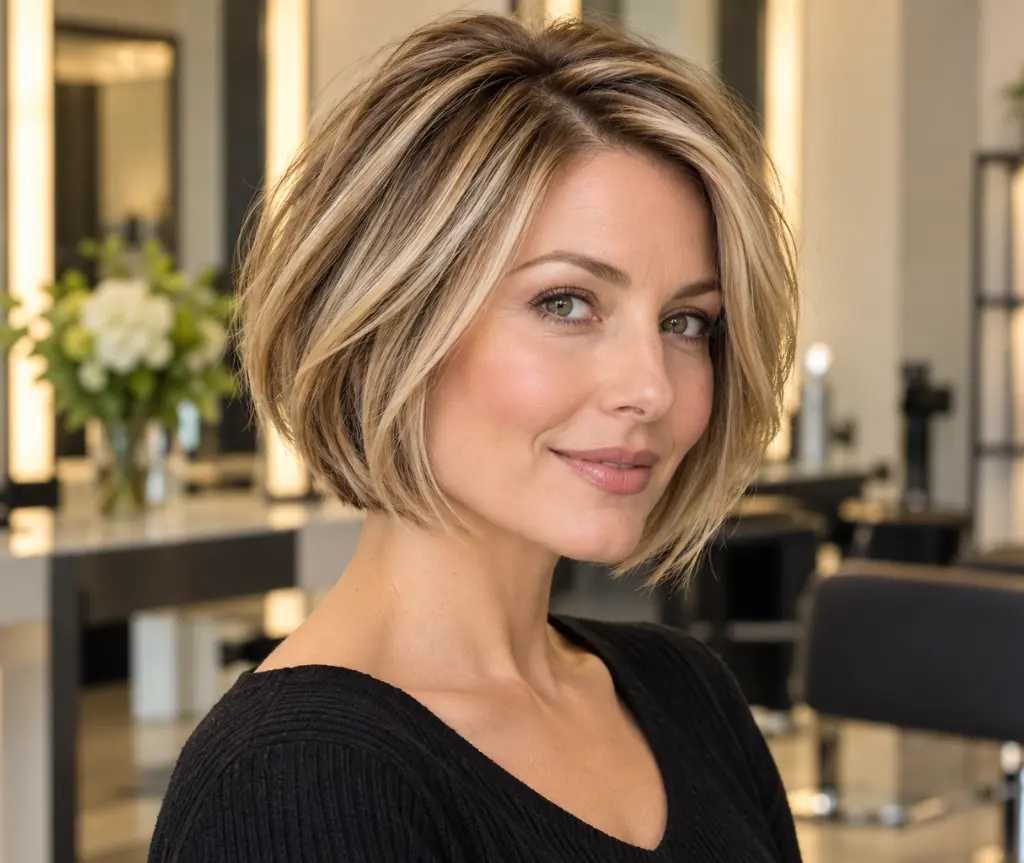
A short bob with dimensional highlights can make fine thin hair appear fuller by introducing variations in light and depth throughout the haircut. Instead of using one flat color, strategically placed highlights and lowlights create contrast between individual sections. This visual separation can make the hair look more textured and dense, particularly around the crown and face. Fine highlights may be especially effective because they add brightness without overwhelming the natural base color.
Color placement should work with the haircut rather than compete with it. Face-framing highlights can brighten the complexion, while subtle lowlights underneath can create the illusion of additional depth. If the hair is fragile, chemical processing should be approached carefully to avoid compromising strength. When combined with a blunt or lightly layered bob, dimensional color can make the hairstyle appear richer, more dynamic, and visually fuller even when the individual strands remain naturally fine.
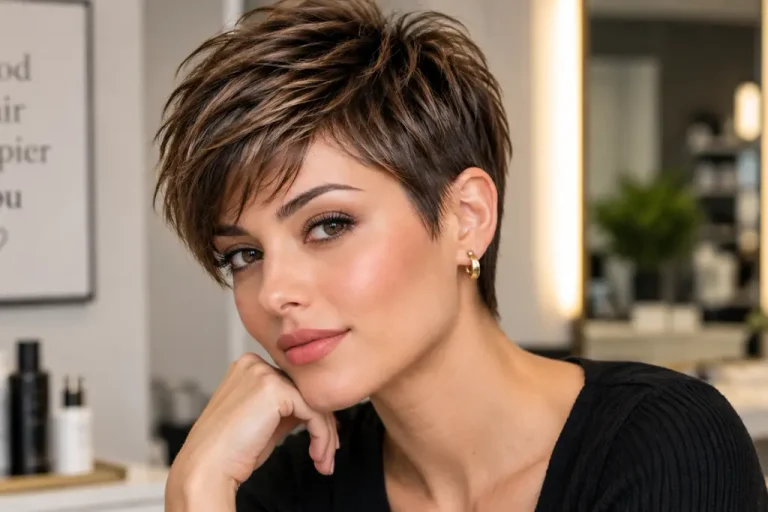
17. Choppy Short Bob
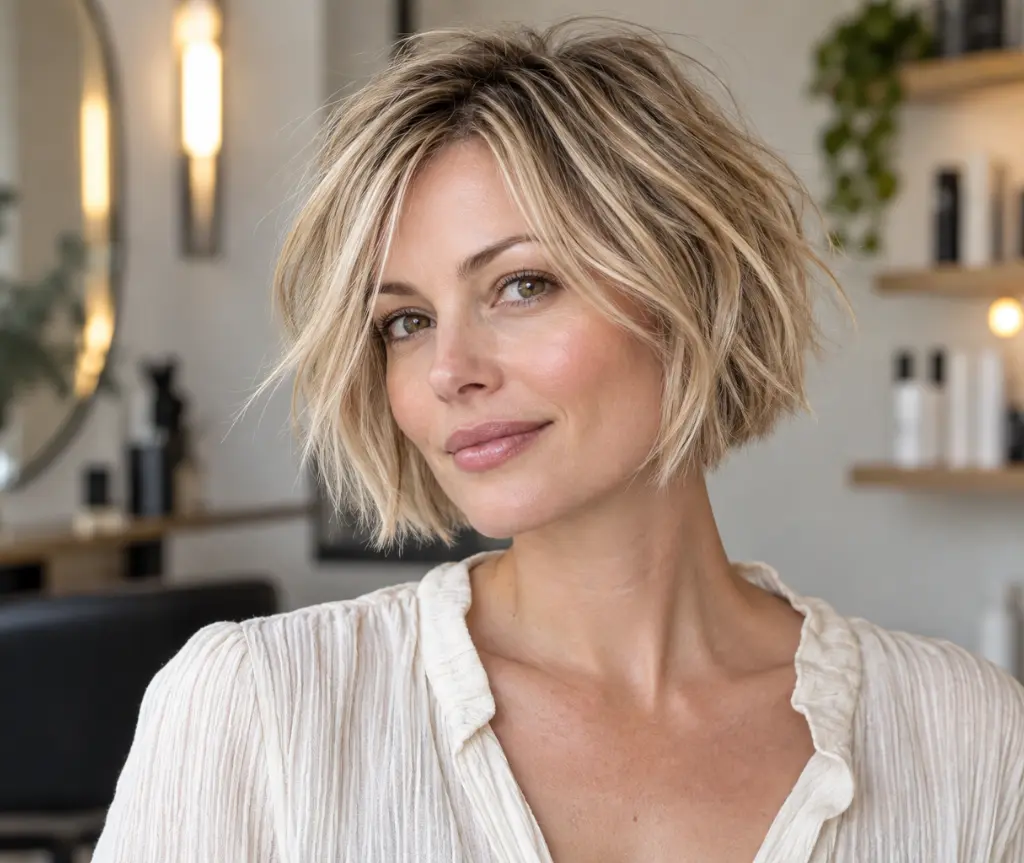
A choppy short bob introduces controlled irregularity through the ends and crown, creating movement that can make fine hair look more dynamic. The goal is not to remove large amounts of density but to create selective texture that prevents the haircut from appearing overly flat or uniform. A strong baseline should still remain through most of the perimeter, while a few shorter sections introduce separation. This balance allows the bob to look modern without leaving thin hair wispy.
Styling can be as simple as applying a small amount of texture spray or matte volumizing product and working it through the hair with the fingers. The pieces can then be directed in slightly different directions to create an undone finish. Fine hair may also benefit from blow-drying with the head tilted forward briefly to encourage root lift. The choppy bob is ideal for women who want a youthful, contemporary hairstyle with visible movement and minimal need for precision styling.
18. Inverted Bob
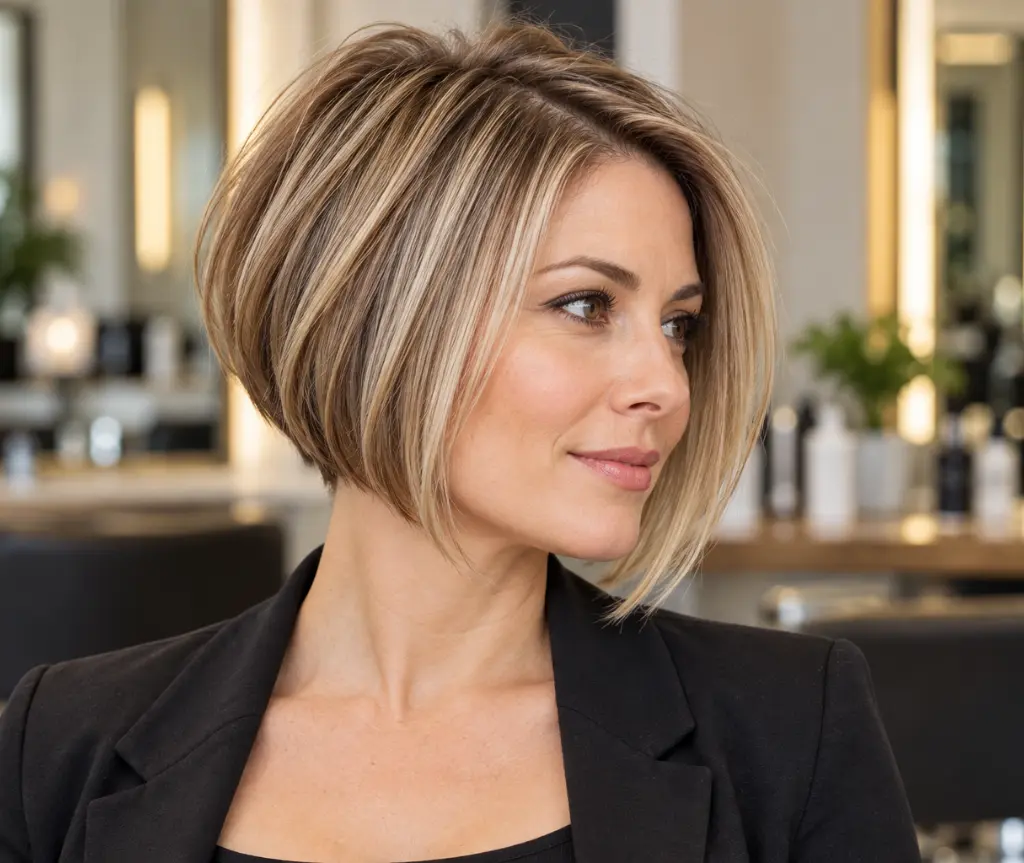
An inverted bob for fine thin hair creates fullness by combining a shorter graduated back with longer front sections. The back is built into a gently rounded shape that adds lift through the crown, while the front retains enough length to frame the face. This structure helps fine hair look fuller from the side and back without requiring dramatic layering throughout the entire haircut. The result is polished, balanced, and particularly flattering for women who want a sculpted short hairstyle.
The graduation should be customized carefully so that the back looks full rather than overly stacked or thin. Blow-drying with a small round brush enhances the rounded shape, while a lightweight root product supports lift. The front can remain sleek, curved inward, or softly waved depending on personal preference. Regular trims help preserve the inverted silhouette as the hair grows. For fine thin hair, this haircut combines crown volume, strong ends, and elegant face framing in one highly practical style.
Why Short Bobs Work So Well for Fine Thin Hair
Short bob haircuts are particularly effective for fine hair because reducing unnecessary length helps prevent strands from being pulled flat by their own weight. Longer fine hair can sometimes become transparent toward the ends, especially when it has been heavily layered. Cutting the hair closer to the jaw or neck concentrates the available density into a smaller area, creating a fuller perimeter. Blunt and graduated shapes can therefore make hair look noticeably thicker even without changing the actual number of strands.
The best bob haircut should also consider density, texture, face shape, growth pattern, and styling habits. Straight fine hair may benefit most from blunt or A-line shapes, while wavy hair can use subtle texture to create visual volume. Fine curly hair often looks best when enough length is preserved for curl formation. A professional hairstylist can adjust the baseline, crown graduation, fringe, and face-framing sections so the bob enhances the individual hair rather than following a generic formula.
Best Bob Haircuts for Very Thin Hair
Very thin hair often benefits from haircuts that preserve the strongest possible perimeter. Blunt bobs, classic one-length bobs, A-line cuts, and carefully graduated inverted bobs are especially useful because they minimize unnecessary thinning through the ends. Excessive layering can sometimes expose more scalp and make the hair look less dense, so layers should be introduced only when they provide a specific benefit. A shorter overall length can also improve natural root lift by removing weight.
Part placement can make a noticeable difference as well. A deep side part may create instant lift by moving hair away from its usual growth direction, while a slightly off-center part can prevent the crown from looking too flat. Lightweight volumizing products, root sprays, and dry texture powders may provide support without buildup. The goal is to use haircut structure and strategic styling together rather than relying on heavy products to create artificial volume.
Short Bob Hairstyles for Fine Hair Over 50
Short bobs are especially popular for women over 50 with fine hair because they can create a polished shape while making the ends appear healthier and more substantial. Classic bobs, feathered bobs, stacked shapes, side-swept cuts, and soft curtain-bang variations can all work beautifully depending on hair density and facial proportions. Silver, gray, blonde, brunette, and highlighted hair can also gain additional dimension when paired with a carefully structured bob.
The most flattering hairstyle should not be chosen based on age alone. Texture, density, lifestyle, face shape, and preferred maintenance level are much more useful considerations. Some women may prefer a sleek jaw-length bob, while others enjoy soft waves or layered movement. Fine gray hair can also benefit from dimensional color and lightweight styling products that improve shine without flattening volume. The right short bob can feel sophisticated, current, and easy to manage at any age.
Best Products for Fine Thin Bob Hairstyles
Fine hair generally performs best with products that support volume without coating the strands heavily. Lightweight mousse, root-lifting spray, dry texture powder, and volumizing foam are often better choices than dense creams, waxes, or heavy oils. Applying product primarily near the roots can provide lift while preserving natural movement through the ends. Fine hair can become greasy quickly when too much product is used, so beginning with a small amount and adding more only when necessary is usually effective.
Heat protection is also important when blow-dryers, curling irons, or flat irons are used regularly. A lightweight thermal spray can help protect fragile strands while avoiding excessive residue. Dry shampoo may extend volume between washes by absorbing oil near the roots, but buildup should be removed through regular cleansing. Choosing products based on actual hair needs rather than simply using multiple volumizing formulas at once can help the bob remain soft, flexible, and natural-looking.
How to Style a Short Bob for More Volume
Creating volume in a short bob often begins during blow-drying rather than after the hair is completely dry. Lifting the roots away from their natural direction encourages temporary volume, while a round brush can create shape through the crown and ends. Fine hair may benefit from drying the roots first and then concentrating on the perimeter. Velcro rollers placed through the crown after blow-drying can also provide extra lift while the hair cools.
Changing the part is another easy way to increase volume. Hair that is always parted in the same place can become trained to lie flat, so moving the part slightly can create immediate lift. Soft waves and bends can add additional visual fullness by creating space between strands. Heavy teasing should generally be minimized because repeated backcombing can stress fine hair. The most natural-looking volume usually comes from combining a strong haircut with lightweight support and subtle movement.
Hair Color Ideas That Make Fine Hair Look Fuller
Dimensional hair color can create the visual impression of fuller hair by preventing all the strands from blending into one flat tone. Fine highlights, lowlights, balayage-inspired ribbons, and subtle face-framing brightness can make layers and movement more visible. Darker lowlights underneath may create the illusion of depth, while lighter sections around the crown can emphasize texture. The goal is not necessarily dramatic contrast, but rather enough variation to create separation between different areas of the haircut.
Hair condition should always be considered before chemical coloring, especially when the strands are already fine or fragile. Excessive bleaching can weaken the hair and counteract the fuller appearance created by a good haircut. Professional color placement can help minimize unnecessary processing while maximizing dimension. When color and haircut work together, even a relatively simple short bob can appear richer, thicker, and more visually interesting.
How Often Should You Trim a Short Bob?
Short bobs depend strongly on their perimeter and overall shape, so regular trimming helps maintain the appearance of density. As the haircut grows, the baseline can lose definition and graduated sections may begin to sit differently around the head. There is no universal trimming schedule because hair growth rates and desired precision vary, but watching the silhouette is more useful than following a rigid calendar. When the ends begin to look uneven or the crown loses its intended lift, it may be time for a refresh.
Regular trims can also help fine hair look healthier because damaged or split ends are more noticeable when the strands are thin. Removing worn ends keeps the perimeter clean and prevents the bob from gradually appearing wispy. Precision cuts such as blunt, stacked, inverted, and A-line bobs may need more frequent shaping than textured or messy versions. Choosing a haircut that grows out gracefully can be useful for women who prefer longer intervals between salon appointments.
Conclusion
The best short bob hairstyles for fine thin hair combine strong shape, strategic volume, and minimal unnecessary layering. Classic and blunt bobs preserve density through the ends, while stacked and inverted bobs create lift through controlled graduation. Wavy, textured, messy, and choppy versions use movement to create visual fullness, while curtain bangs, wispy fringe, and side-swept styling introduce flattering face framing. Dimensional highlights can further enhance depth without changing the basic haircut.
Ultimately, the most flattering bob should be customized to your individual density, texture, face shape, lifestyle, and styling preferences. Fine hair does not need excessive product or complicated layering to look fuller. A precise perimeter, thoughtful graduation, lightweight styling, and appropriate color placement can make a significant difference. Whether you prefer sleek sophistication or effortless texture, these 18 chic short bobs demonstrate how fine thin hair can look modern, full, and beautifully polished.