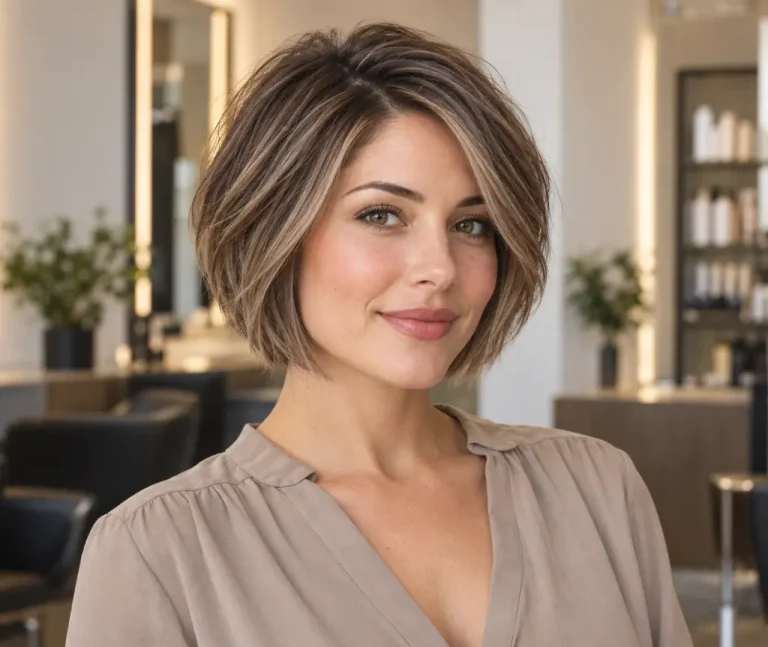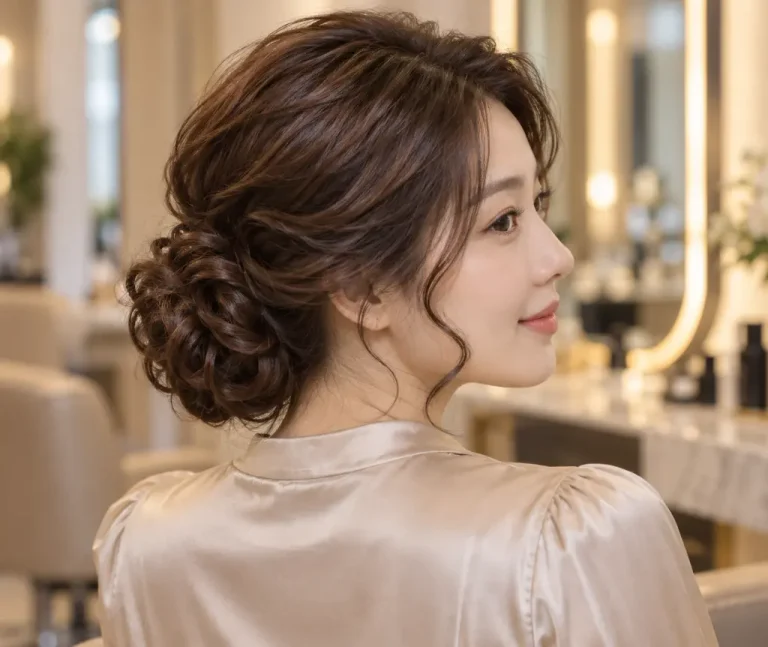
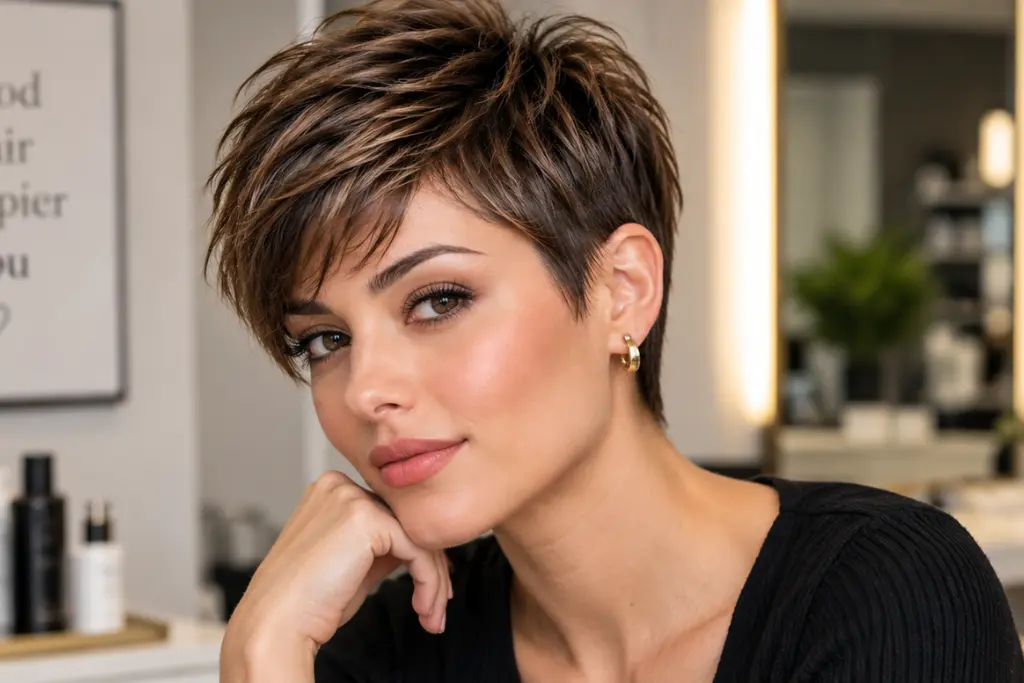
15 Stunning Short Pixie Hairstyles for Effortless Style

Short pixie hairstyles have become one of the most versatile choices for anyone who wants a fresh, confident, and low-maintenance haircut. Characterized by cropped sides, a shorter back, and customizable layers through the crown and fringe, the pixie cut can be adapted to straight, wavy, curly, fine, and thick hair. From softly feathered layers to dramatic undercuts, modern pixie hairstyles offer countless ways to highlight facial features while reducing everyday styling time.
The beauty of a short pixie haircut is its ability to combine practicality with personality. Texture can create volume for fine hair, longer bangs can soften angular features, and tapered sides can give thick hair a cleaner silhouette. Whether you prefer a classic feminine pixie, messy textured crop, edgy undercut, curly pixie, or polished side-swept style, these 15 best short pixie hairstyles offer plenty of inspiration for your next salon appointment.
1. Classic Short Pixie Cut
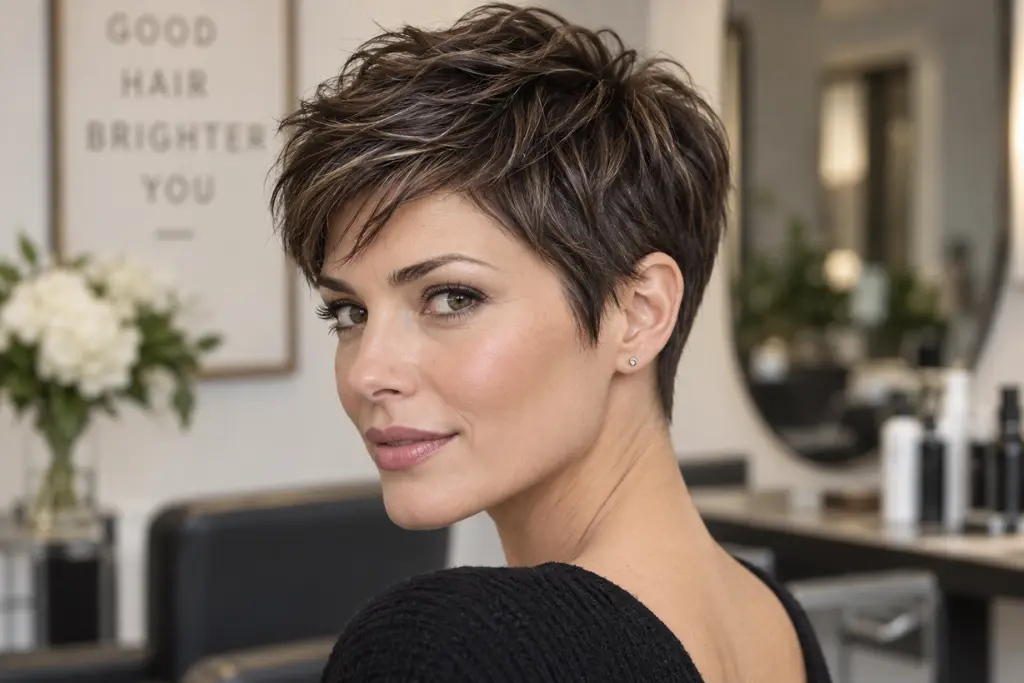
The classic short pixie cut remains one of the most timeless short hairstyles because of its clean silhouette and effortless styling. This haircut typically features neatly tapered sides and back with slightly longer layers across the crown. Those subtle differences in length give the hair natural movement while maintaining the recognizable pixie shape. The style beautifully exposes the neckline and places greater emphasis on facial features, including the eyes and cheekbones. It is particularly appealing for anyone seeking a polished haircut that does not require complicated daily maintenance.
Another advantage of the classic pixie hairstyle is its versatility across different hair textures and personal styles. Fine hair can benefit from short, carefully placed layers that create the appearance of additional density, while thicker hair can be texturized to remove unnecessary bulk. For everyday styling, lightweight mousse, styling cream, or texture paste can provide definition without making the haircut appear stiff. Regular trims help preserve the clean shape, making this timeless short haircut an excellent foundation for anyone experimenting with pixie hairstyles.
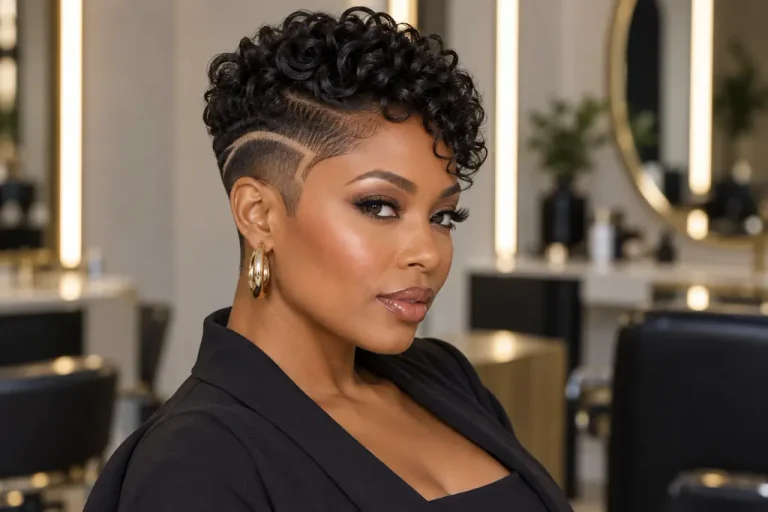
2. Textured Short Pixie Cut
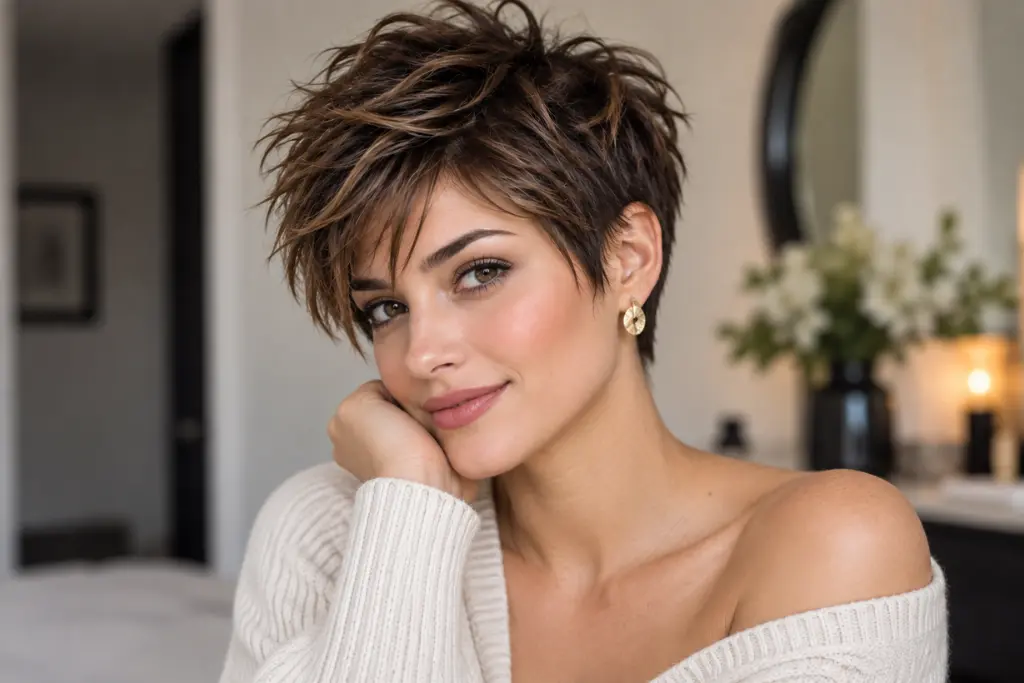
A textured short pixie cut introduces movement, volume, and personality through strategically placed choppy layers. Instead of creating a perfectly smooth finish, the haircut embraces separation between individual sections of hair, producing a modern and slightly undone appearance. Shorter pieces around the sides keep the overall shape manageable, while longer textured layers through the crown create dimension. This makes the style particularly useful for fine or flat hair because the layered structure can visually increase fullness without requiring excessive teasing or heavy styling products.
Styling a textured pixie is relatively straightforward and works especially well when a little natural movement is encouraged. A small amount of texturizing paste, matte wax, or lightweight styling cream can be worked through the hair with the fingertips to separate layers and emphasize definition. The finished hairstyle can look soft and tousled during the day or more structured for an evening occasion. Because there is no requirement for every strand to sit perfectly, the textured pixie captures the relaxed, effortless aesthetic that makes short hair so appealing.
3. Short Pixie with Long Side-Swept Bangs
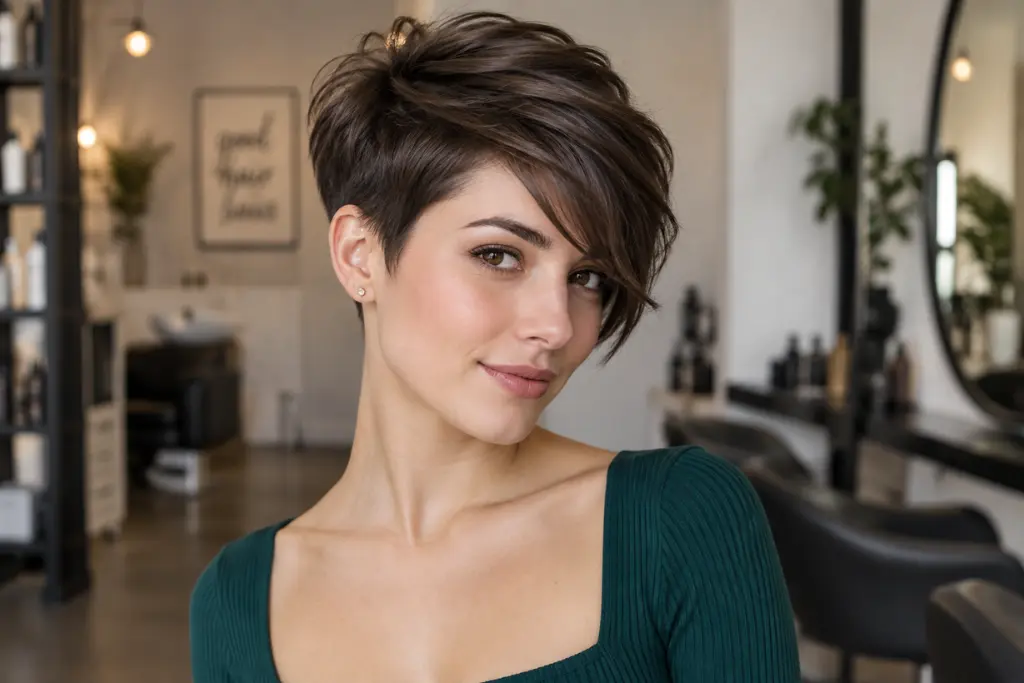
A short pixie with long side-swept bangs combines the convenience of cropped hair with the softness of a longer fringe. The sides and back remain relatively short while the front section gradually becomes longer, allowing the bangs to sweep diagonally across the forehead. This contrast creates an elegant silhouette and introduces movement around the face. Side-swept bangs can also visually elongate rounder facial proportions while adding softness around square or angular features, making this variation one of the most adaptable feminine pixie hairstyles.
The longer front provides significantly more styling flexibility than an ultra-short crop. Bangs can be worn sleek and smooth for a sophisticated finish, lightly curled for movement, or tousled for a relaxed everyday look. A round brush or flat brush used during blow-drying can help guide the fringe naturally to one side, while a small amount of smoothing serum controls flyaways. This haircut works particularly well for someone who wants to experience short hair without completely giving up the versatility associated with longer face-framing pieces.
4. Spiky Short Pixie Cut
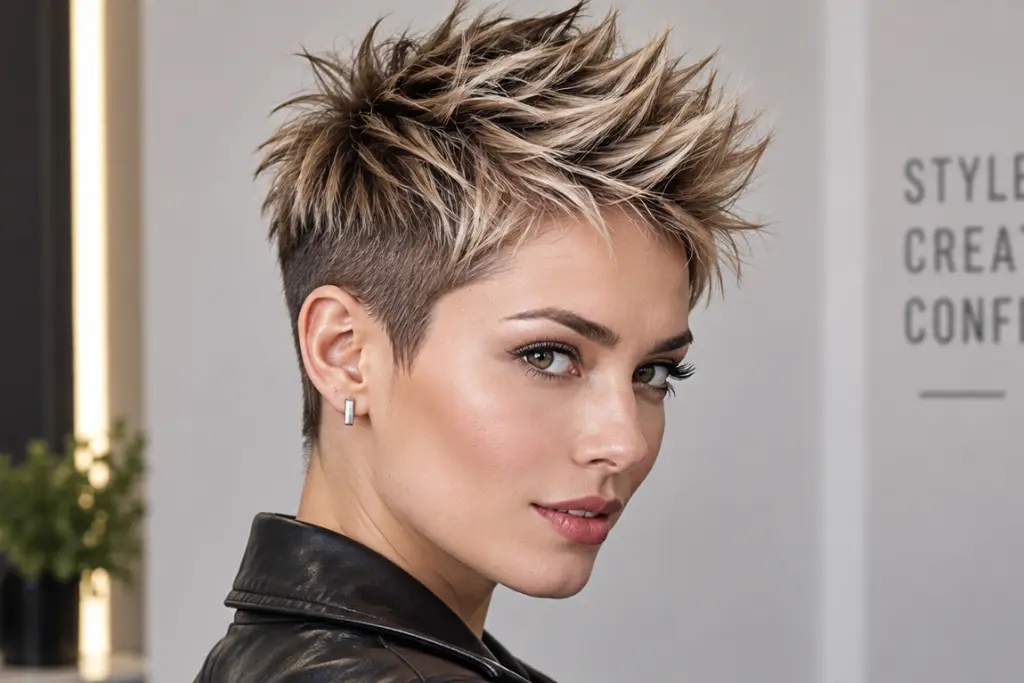
The spiky short pixie cut offers a more energetic interpretation of traditional cropped hair. Short sides create a clean foundation while slightly longer sections through the top are cut and texturized so they can be styled upward. The resulting height introduces vertical dimension and immediately gives the hairstyle a bold, contemporary character. Depending on how dramatically the crown is styled, a spiky pixie can range from subtly textured and wearable to distinctly edgy, making it suitable for anyone who enjoys experimenting with statement-making short hairstyles.
Texture is essential when styling this pixie variation. Rather than coating the entire head with product, a small amount of matte paste, pomade, or styling wax can be applied to selected pieces using the fingertips. Separating individual strands produces definition while keeping the haircut visually lightweight. Softer spikes can create casual daytime texture, whereas stronger separation produces a more dramatic evening look. Because the hairstyle naturally directs attention upward, it can also create the impression of additional height and showcase the structure of a beautifully executed pixie haircut.
5. Tousled Short Pixie Cut
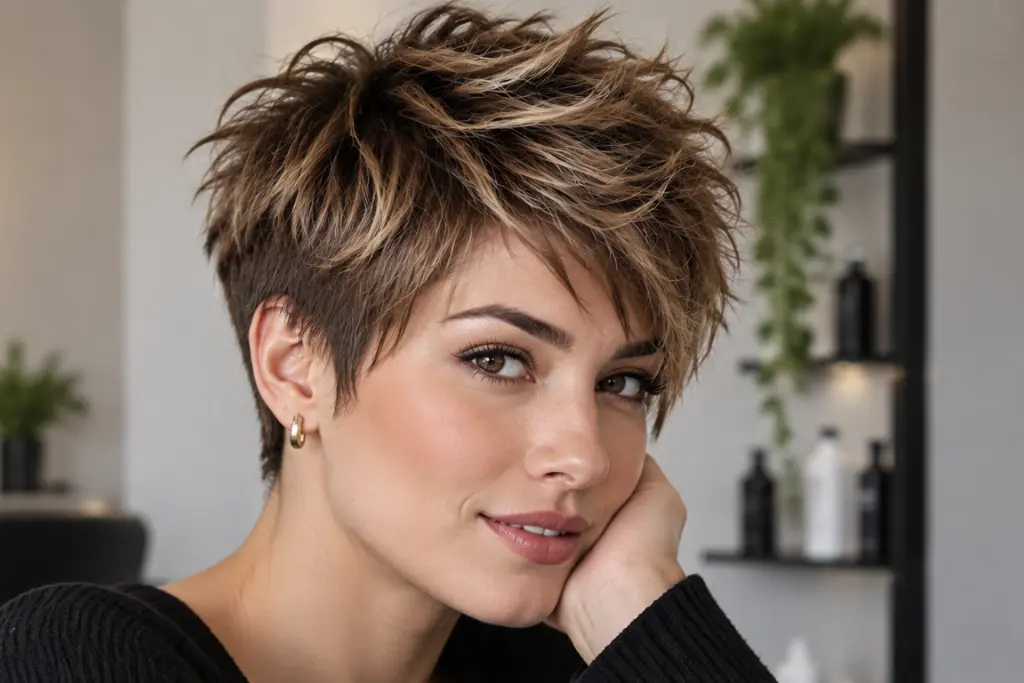
A tousled short pixie cut is ideal for creating that intentionally undone appearance associated with effortless style. Instead of rigidly arranging every section, the haircut uses soft layering to encourage irregular movement and natural separation. Slightly longer pieces through the crown can fall in different directions, while shorter sides maintain enough structure to prevent the style from looking shapeless. The contrast between a controlled haircut and relaxed styling produces a chic, lived-in finish that works beautifully with naturally straight, slightly wavy, or softly textured hair.
The tousled pixie is also one of the easiest short hairstyles to refresh throughout the day. Lightweight texture spray can add grip, while styling cream provides subtle separation without eliminating movement. Finger-styling is often more effective than excessive brushing because it preserves the intentionally imperfect finish. Women with fine hair may appreciate the additional visual fullness created by the irregular layers, while thicker hair can be strategically thinned to improve movement. The final result feels contemporary, relaxed, and stylish without appearing as though hours were spent creating it.
6. Short Pixie Cut with Undercut
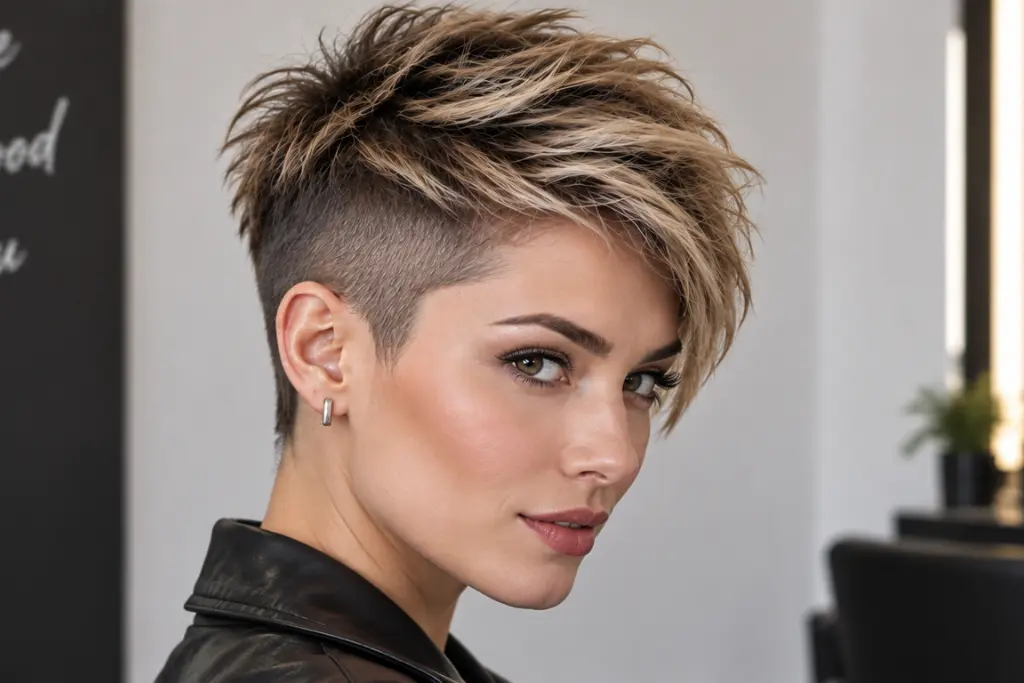
A short pixie cut with an undercut creates dramatic contrast by combining closely cropped sides or back with noticeably longer hair across the top. Removing additional length underneath makes the upper layers stand out and gives the overall haircut a sharper, more sculpted silhouette. This technique can be particularly practical for dense or thick hair because it eliminates bulk around the sides while preserving enough length on top for creative styling. The result is a contemporary short hairstyle that feels bold without sacrificing everyday practicality.
The longer crown can be worn smooth, swept sideways, tousled, or lifted for additional volume, making the pixie undercut surprisingly versatile. A sleek finish emphasizes the precision of the shorter sections, while textured styling produces a softer and more casual effect. Maintenance depends on how closely the undercut is clipped because very short sides generally require more frequent salon visits to retain their crisp appearance. For anyone looking for an edgy pixie haircut with strong visual definition, this combination delivers an unmistakably modern aesthetic.
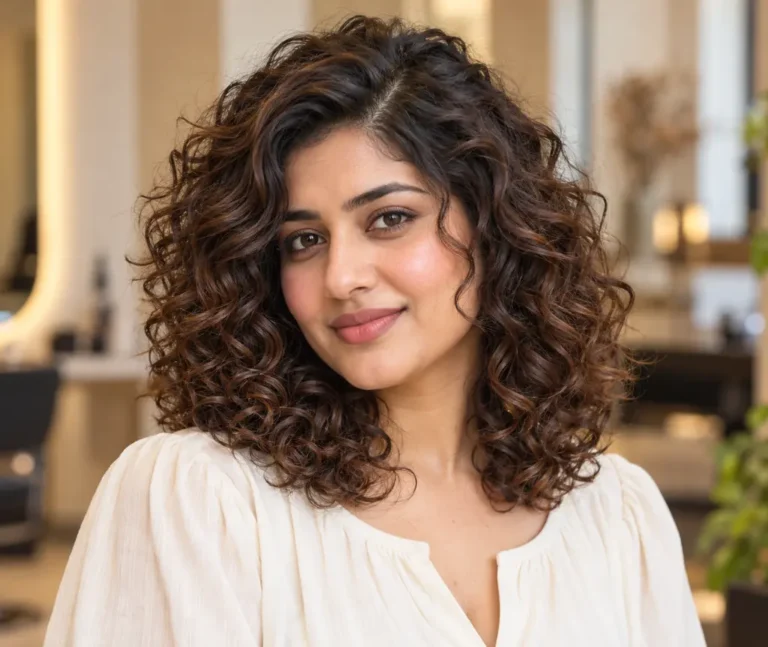
7. Curly Short Pixie Hairstyle
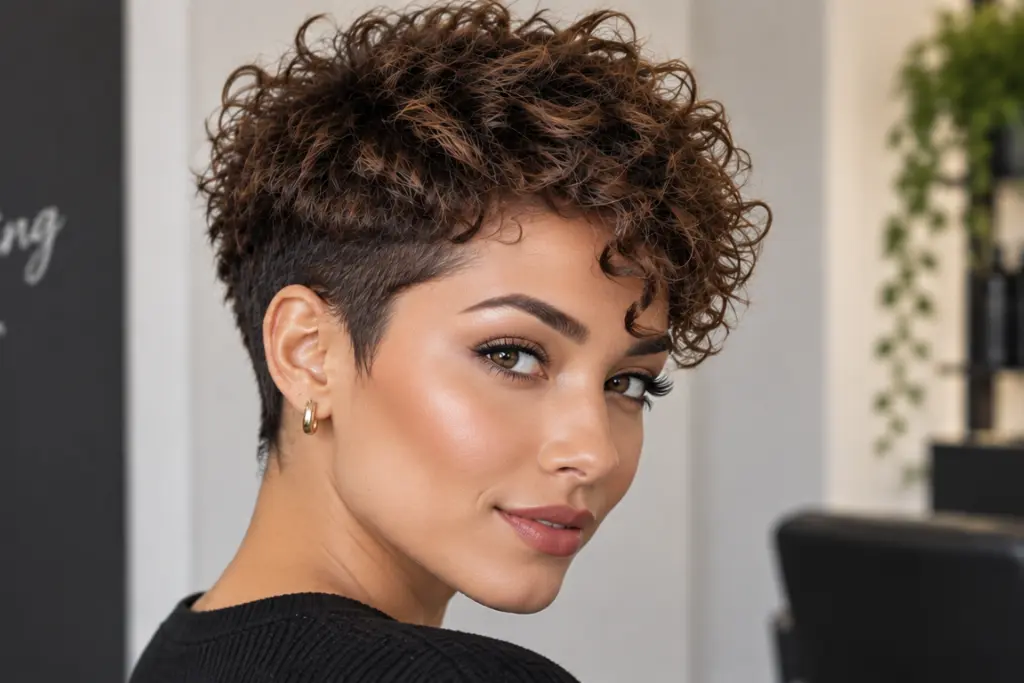
A curly short pixie hairstyle celebrates natural curl patterns while maintaining the convenience of cropped hair. Keeping the sides and back shorter can create a flattering tapered outline, while slightly more length at the crown allows curls to retain their shape, bounce, and definition. Rather than forcing curly hair into a smooth silhouette, this approach uses the natural texture as the defining feature of the haircut. Strategically placed layers can also prevent excessive bulk and help curls sit more evenly around the head.
Moisture and definition are especially important when styling a curly pixie. A lightweight curl cream, leave-in conditioner, or defining gel can enhance individual curls while minimizing unwanted frizz. Allowing the hair to air-dry or using a diffuser on a gentle setting helps maintain the natural curl pattern. Because shrinkage can significantly affect the finished length of curly hair, discussing curl behavior with an experienced stylist before cutting is valuable. When shaped correctly, a curly pixie offers softness, personality, volume, and easy everyday wear.
8. Short Pixie Bob
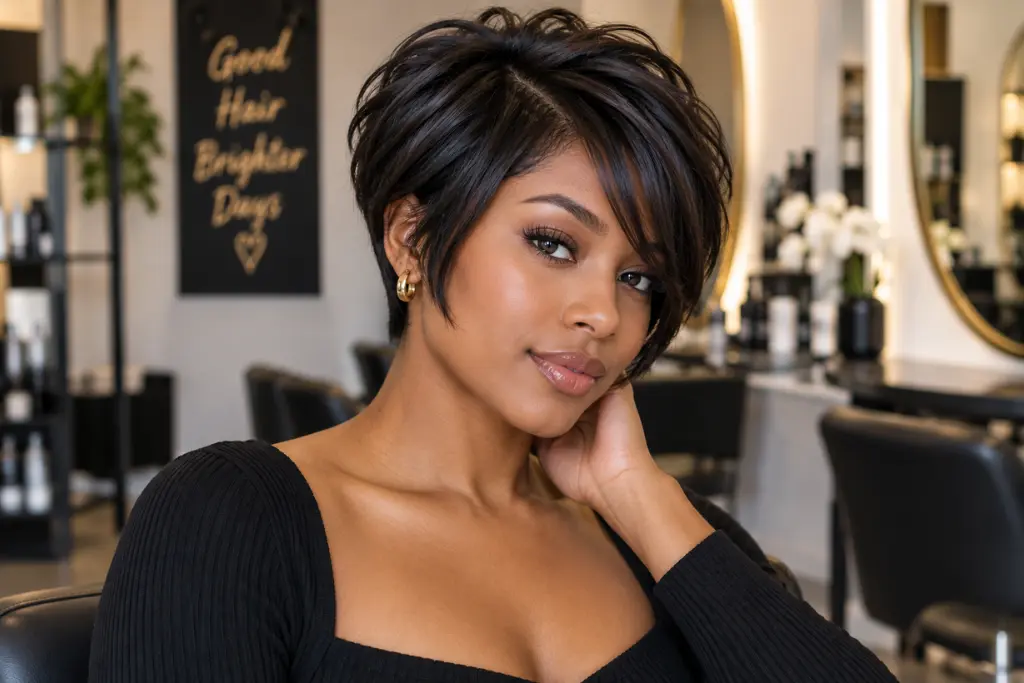
The short pixie bob, often called a bixie, bridges the visual space between a traditional pixie cut and a short bob. It generally preserves more length around the sides, crown, and back than a classic pixie while maintaining enough layering to create a lightweight cropped shape. The additional length gives the hairstyle softness and movement, making it an appealing choice for someone who wants to go shorter gradually. Face-framing pieces can also be customized to highlight cheekbones or soften the jawline.
Because the pixie bob contains more length, it offers numerous styling possibilities. Hair can be tucked behind the ears, swept across the forehead, worn smooth, or styled with loose texture for additional volume. Fine hair may benefit from graduated layers that visually enhance density, while thick hair can be texturized internally to reduce heaviness. This hybrid haircut also provides a convenient transition for anyone growing out an ultra-short pixie. The combination of cropped structure and bob-inspired movement creates a polished hairstyle with contemporary appeal.
9. Feathered Short Pixie Cut
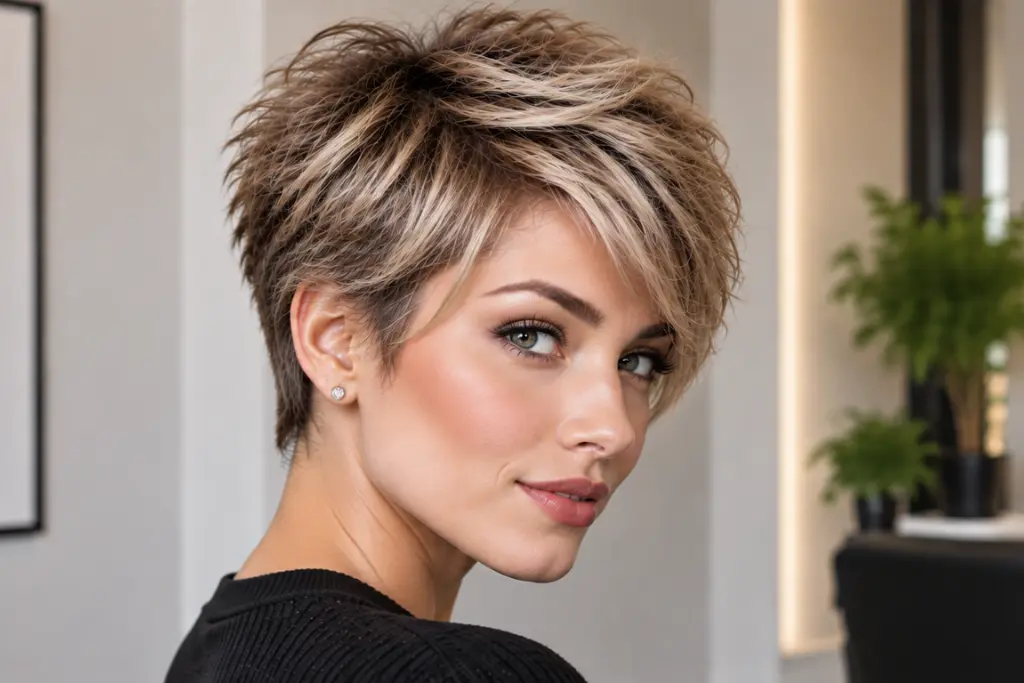
A feathered short pixie cut uses delicate, finely layered sections to create softness and airy movement throughout the hairstyle. Instead of blunt or heavily disconnected layers, feathering produces tapered ends that blend naturally into one another. This technique is particularly effective around the crown and fringe, where light pieces can be directed away from the face or softly swept sideways. The resulting haircut has dimension without appearing overly choppy, making it an attractive option for those who prefer refined and feminine short hairstyles.
Feathered layering can also provide valuable volume for fine or thinning-looking hair because the lighter sections lift more easily from the scalp. Blow-drying the crown with a small round brush can enhance that effect, while a lightweight volumizing mousse helps maintain movement. Heavy oils and waxes should generally be used sparingly because too much product can collapse the delicate texture. With the right balance of layering and volume, a feathered pixie offers a graceful, polished interpretation of short hair that remains easy to wear.
10. Short Pixie with Micro Bangs
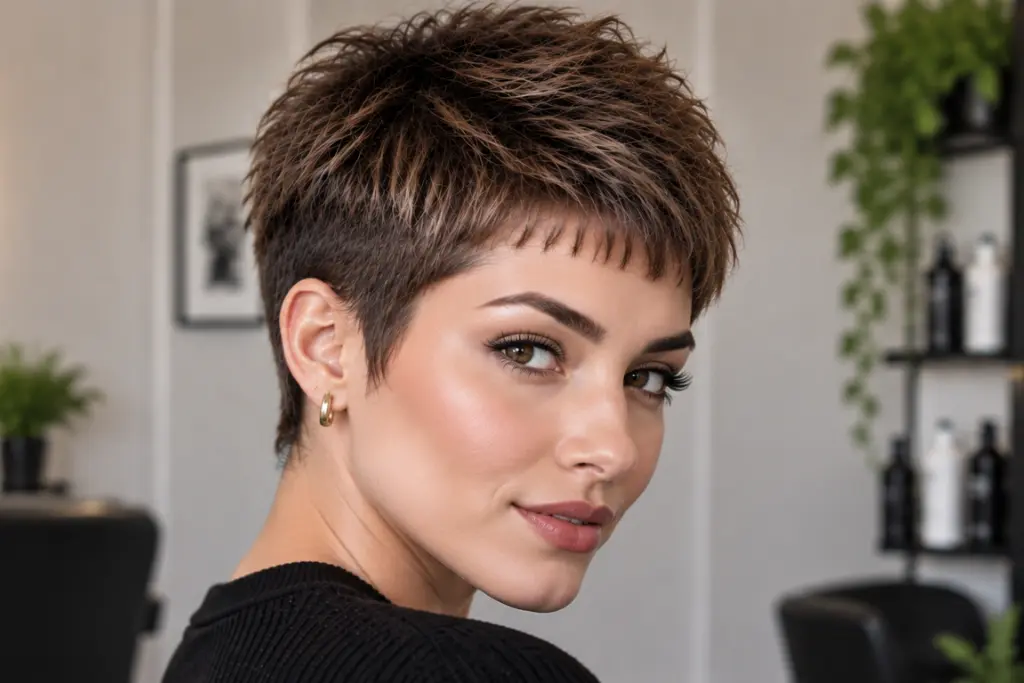
A short pixie with micro bangs creates a distinctive fashion-forward silhouette by pairing cropped hair with a very short fringe. The bangs typically sit well above the eyebrows, exposing more of the forehead and drawing immediate attention toward the eyes. They can be cut softly and slightly irregular for a relaxed effect or kept more precise for a graphic editorial finish. Combined with tapered sides and a compact crown, micro bangs transform a simple pixie into a haircut with strong personality and contemporary character.
This pixie variation works particularly well for people who enjoy highlighting facial structure because the abbreviated fringe leaves the face largely uncovered. Styling can remain minimal when the haircut has been shaped correctly; lightweight texture cream is often enough to control the bangs and define the crown. Since micro bangs grow noticeably faster in proportion to their original length, occasional fringe trims help maintain their intended shape. The result is a striking yet practical short hairstyle that feels creative, confident, and unmistakably modern.
11. Side-Parted Short Pixie Cut
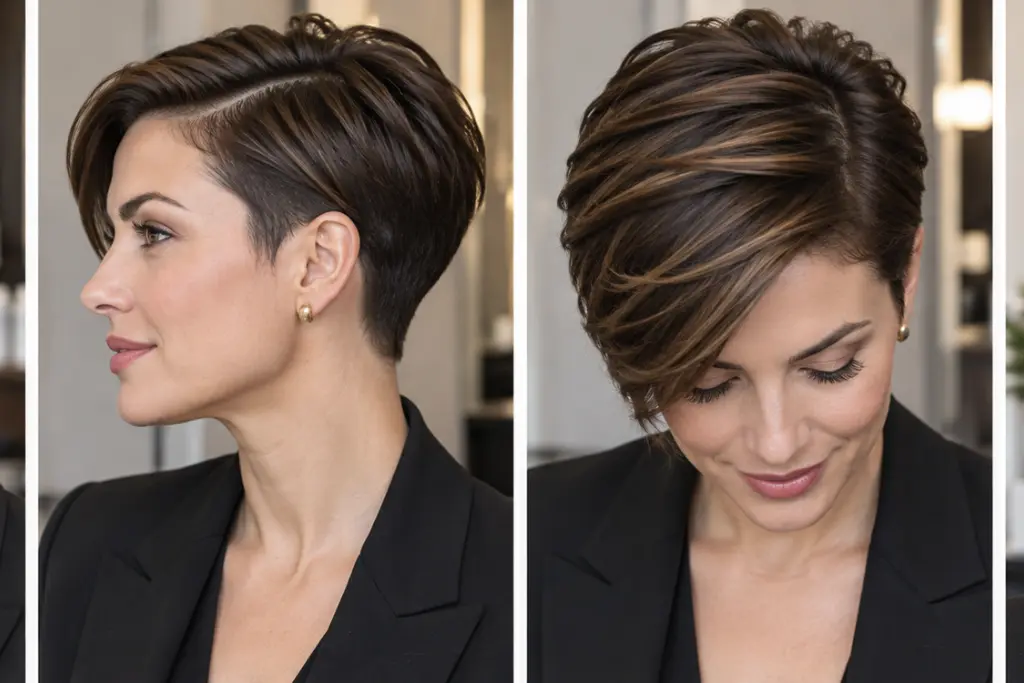
A side-parted short pixie cut introduces asymmetrical movement without requiring an extreme haircut. Creating a defined side part naturally directs more hair toward one side of the head, producing extra volume and giving the fringe an elegant sweeping shape. This small styling adjustment can dramatically change the appearance of a classic pixie, making it feel softer and more sophisticated. It also offers useful face-framing benefits because the diagonal direction of the hair can visually balance round, square, and heart-shaped facial proportions.
For a polished look, the hair can be blow-dried in the direction of the part and finished with lightweight smoothing cream. Those who prefer more casual texture can gently separate the crown with their fingers while keeping the side part visible. Adding root lift on the fuller side creates additional dimension, particularly for fine hair. Because the part itself provides structure, this hairstyle can look intentional even with relatively simple styling. It is an excellent choice for anyone wanting a versatile pixie suitable for both professional and casual settings.
12. Short Pixie for Fine Hair
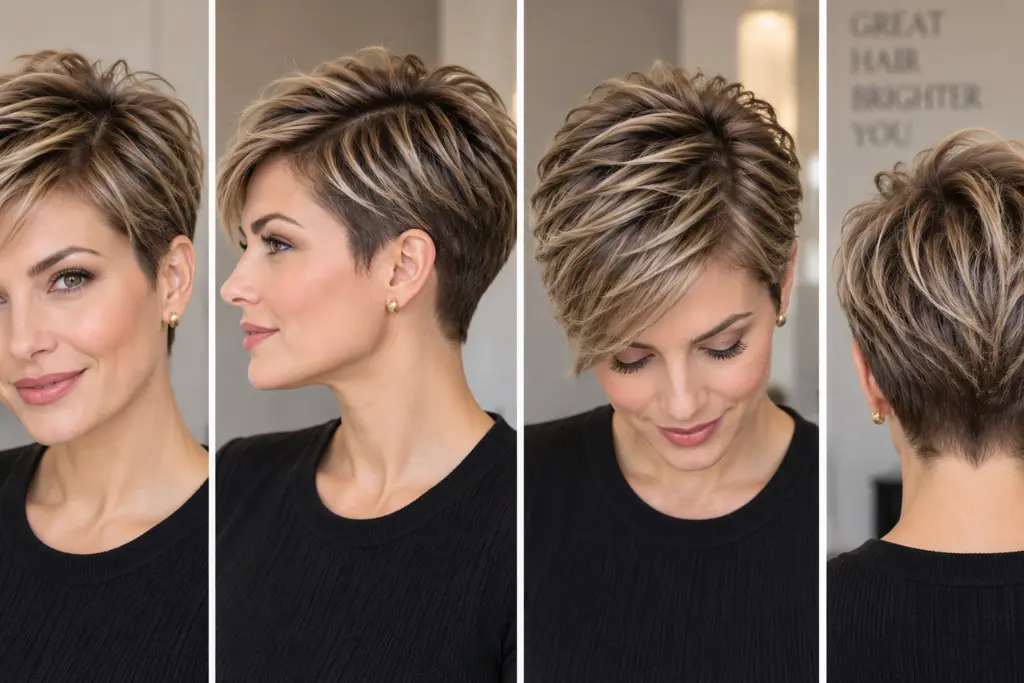
A short pixie for fine hair can create the impression of significantly greater fullness when the layers are carefully designed. Long, heavy sections may cause fine strands to lie flat, whereas shorter layers reduce weight and allow the hair to lift more naturally at the roots. Keeping strategic length around the crown gives the stylist enough hair to build volume while a tapered perimeter maintains a neat silhouette. Piecey texture can further enhance visual density by preventing individual strands from blending into one flat surface.
Styling products should remain lightweight so the hair retains its natural lift. Volumizing mousse, root spray, or a small amount of dry texture product can add body without creating excessive buildup. Blow-drying the crown against its natural direction before arranging it into place can also increase root volume. Regular trims prevent the ends from becoming sparse or uneven, which helps preserve the appearance of density. For people with fine hair, a properly layered pixie demonstrates how going shorter can sometimes make hair appear fuller and more dimensional.
13. Short Pixie for Thick Hair
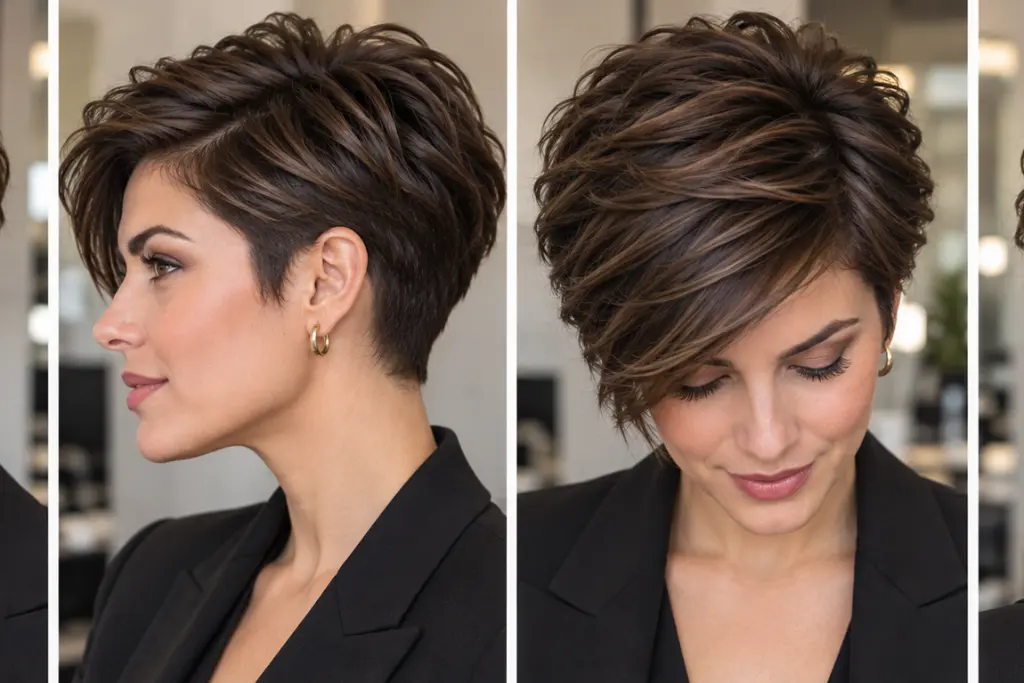
A short pixie for thick hair can make dense hair considerably easier to manage while preserving its naturally luxurious volume. The key is thoughtful weight removal rather than simply cutting every section extremely short. Internal layering, point cutting, and texturizing techniques can reduce excess bulk around the crown and sides, helping the hairstyle follow the shape of the head more naturally. A tapered neckline provides additional structure, while selected longer sections allow the beauty and density of thick hair to remain visible.
The natural body of thick hair makes it particularly suitable for sculpted or textured pixie styles because relatively little product may be needed to create shape. Styling cream can control expansion and smooth individual sections, while matte paste adds definition when a piecey finish is desired. Removing unnecessary weight can also shorten drying time and make daily styling more convenient. A well-designed thick-hair pixie should feel balanced rather than bulky, allowing natural density to become an advantage instead of something that constantly needs to be controlled.
Image Prompt: Woman with naturally thick hair wearing a short layered pixie haircut, carefully texturized dense crown, tapered sides and neckline, controlled natural volume, separated layers, healthy thick hair texture, contemporary feminine haircut, professional salon photography, highly focused on short pixie for thick hair, 1024 x 683, vertical composition.
14. Asymmetrical Short Pixie Cut
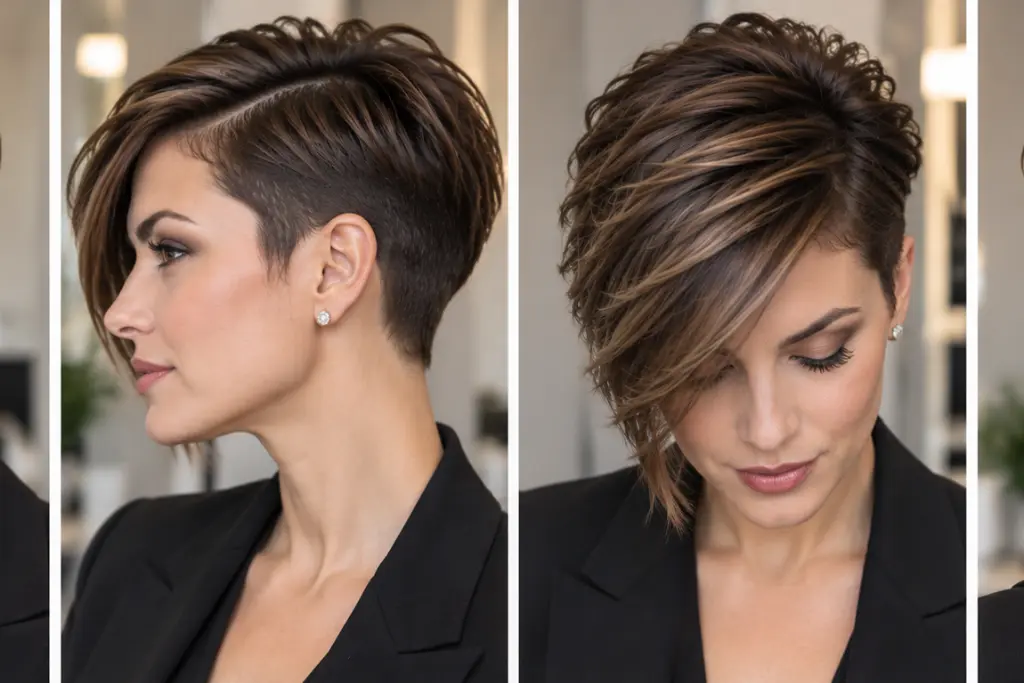
An asymmetrical short pixie cut creates visual drama through deliberately uneven lengths. One side may be closely tapered while the opposite side retains a longer fringe or sweeping section, creating a strong diagonal line across the hairstyle. This imbalance is intentional and gives the haircut its modern architectural quality. The longer portion can frame the face beautifully while the shorter side exposes the cheekbone and ear, producing an eye-catching contrast that distinguishes this pixie from more traditional symmetrical cuts.
Despite its bold appearance, the asymmetrical pixie can be styled in several different ways. The longer side can be worn sleek for a sharp editorial look, softly waved for feminine movement, or tousled for casual texture. Styling paste or smoothing cream can emphasize the separation between the contrasting lengths. Regular maintenance is useful because the haircut depends heavily on preserving its intentional proportions. For someone ready to make a noticeable change while keeping hair practical and short, asymmetry provides a sophisticated way to add individuality to a pixie hairstyle.
15. Messy Layered Short Pixie
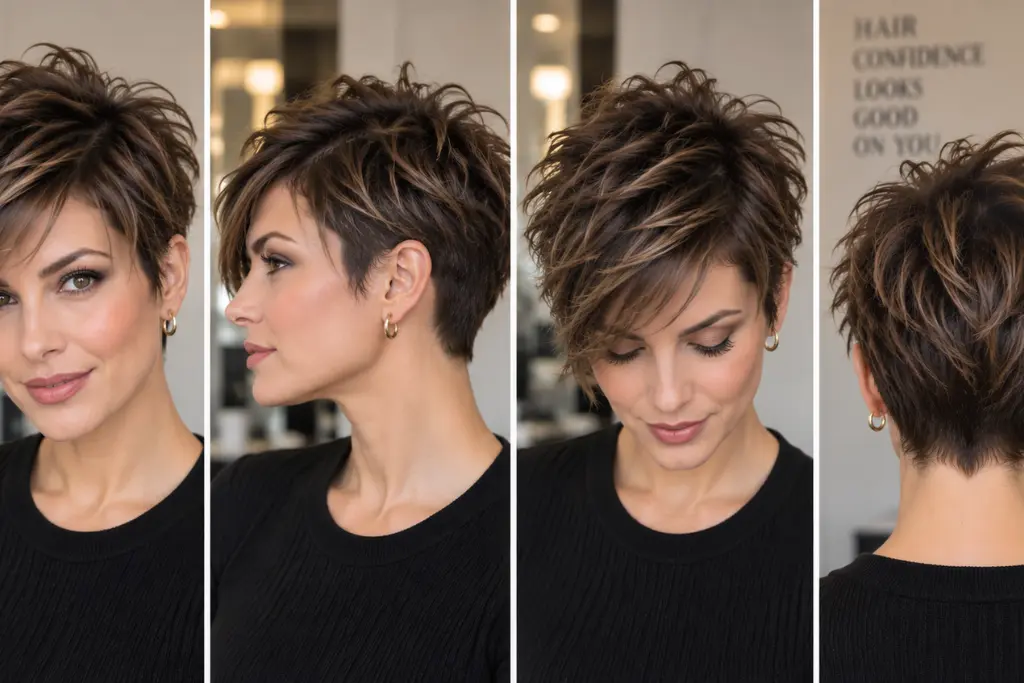
The messy layered short pixie completes this collection with an effortlessly cool combination of short length, irregular layers, and touchable texture. Multiple lengths across the crown create natural separation, while shorter sections around the ears and neckline maintain a recognizable pixie silhouette. Unlike a polished crop, this hairstyle is designed to look slightly undone, meaning small flyaways and uneven movement become part of the finished aesthetic. The layered structure also helps create volume and dimension without requiring an elaborate styling routine.
To style a messy pixie, work a small amount of texturizing product through dry or nearly dry hair using the fingertips. Individual sections can be twisted, lifted, or directed in different directions to emphasize the haircut’s layers. Fine hair can gain valuable fullness from this technique, while medium or thicker textures can benefit from internal weight removal to keep the crown flexible. The combination of low-maintenance length and adaptable texture makes the messy layered pixie one of the strongest choices for achieving genuinely effortless everyday style.
How to Choose the Best Short Pixie Hairstyle
Choosing the right pixie hairstyle involves considering face shape, hair texture, density, natural growth patterns, styling habits, and maintenance preferences. Round faces may benefit from additional crown height or side-swept bangs, while square facial shapes can be softened with feathered texture and diagonal fringe. Oval faces generally accommodate many pixie variations, from micro bangs to dramatic undercuts. Curly hair requires sufficient length for curl formation, while fine hair often responds beautifully to shorter, lightweight layers that encourage volume.
It is also worth considering how frequently you are comfortable visiting the salon. Because pixie cuts have a clearly defined silhouette, changes in length become noticeable relatively quickly. Tapered cuts, micro bangs, and undercuts usually need more frequent maintenance than softer pixie bobs or tousled styles. Bringing reference images to your hairstylist can help communicate the desired fringe length, crown volume, neckline, texture, and overall finish before the haircut begins.
How to Style and Maintain a Short Pixie Cut
Successful pixie styling usually starts with using less product rather than more. Volumizing mousse can provide lift for fine hair, curl cream can define natural curls, smoothing cream can polish side-swept styles, and matte paste can separate choppy layers. Since short hair places individual sections on display, applying styling products gradually helps prevent a greasy or overly stiff finish. Finger-styling is especially useful for textured, tousled, spiky, and messy pixie cuts because it creates natural separation between the layers.
Regular trims are equally important for maintaining the haircut’s proportions. As the sides, neckline, fringe, and crown grow, the original balance of a pixie can gradually disappear. Your ideal trimming schedule will depend on hair growth and the precision of your chosen style. Between appointments, gentle cleansing, appropriate conditioning, heat protection, and lightweight styling products can help keep short hair healthy. With the right haircut and simple routine, a pixie can be one of the easiest hairstyles to manage.
Conclusion
The best short pixie hairstyles prove that cropped hair can be feminine, edgy, sophisticated, textured, polished, or completely effortless. A classic pixie provides timeless simplicity, while textured and messy variations introduce movement. Long bangs offer softness, undercuts create dramatic contrast, and curly pixies celebrate natural texture. Feathered, asymmetrical, side-parted, spiky, and micro-bang variations provide even more opportunities to personalize this iconic short haircut.
Ultimately, the most flattering pixie is one designed around your natural hair rather than copied exactly from someone else. Hair density, texture, face shape, growth pattern, and preferred styling routine should guide the final shape. Whether you choose a soft pixie bob, voluminous crop, edgy undercut, or tousled layered pixie, a thoughtfully customized short haircut can deliver exactly what makes the pixie so enduring: confidence, versatility, low-maintenance styling, and effortless style.