33 Gorgeous Hairstyles for Women Over 50(Short, Medium & Long)

The best hairstyles for women over 50 suit your hair texture, feel comfortable to wear, and reflect your personal style. Whether you love a silver pixie, a softly layered bob, shoulder-length curls, or flowing long hair, there is no single haircut you need to choose because of your age. The right shape can bring out your natural texture, frame your features, and make everyday styling more manageable.
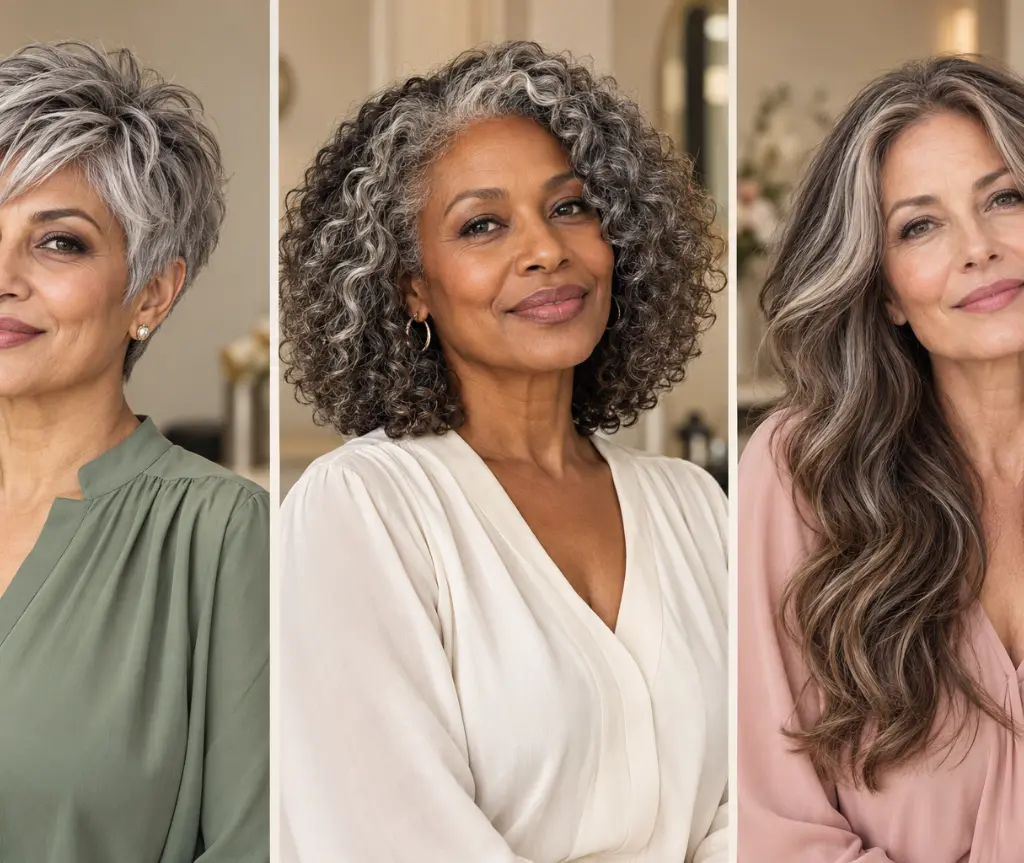
When choosing a haircut, consider more than length. Hair density, natural wave pattern, fringe placement, and the amount of time you enjoy spending on styling all matter. Fine hair may benefit from a stronger perimeter, while thick hair may need carefully placed layers. Curly and coily hair deserve shaping that accounts for their natural movement and shrinkage. Explore these 33 short, medium, and long hairstyles for women over 50 to find inspiration for your next salon appointment.
Short Hairstyles for Women Over 50
1. Classic Textured Pixie
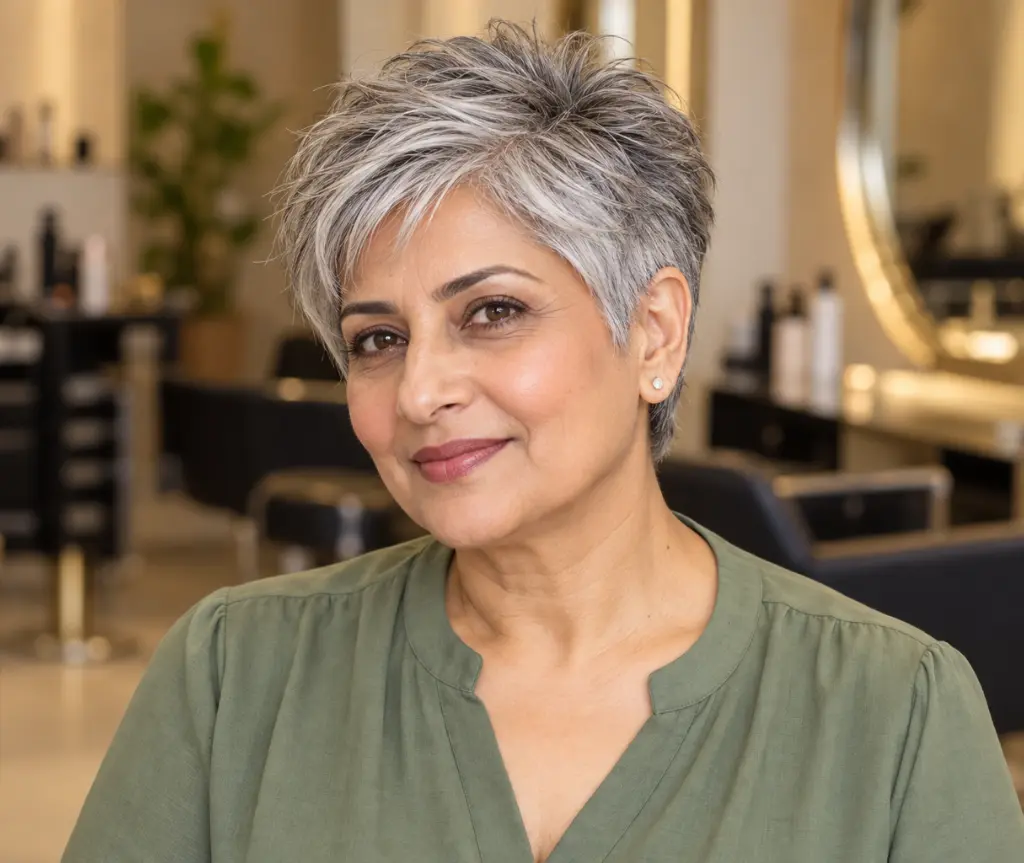
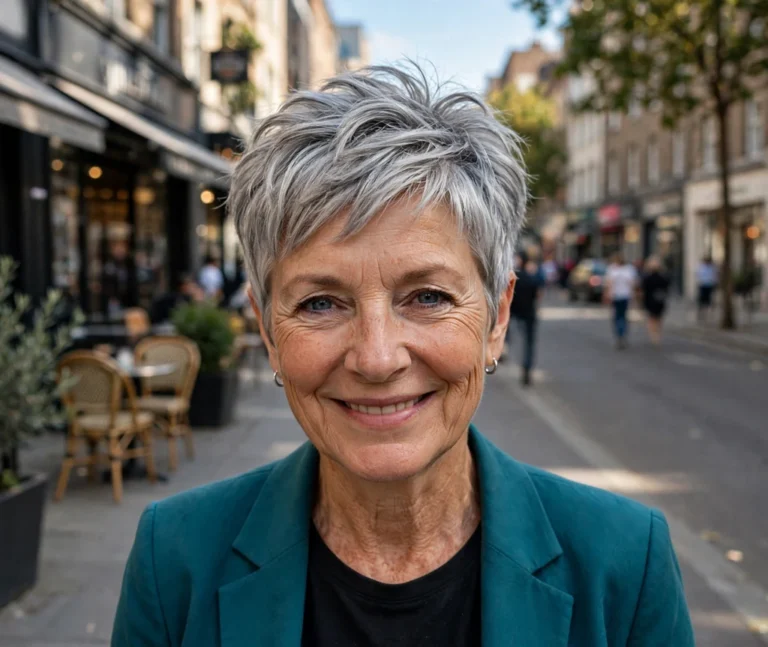
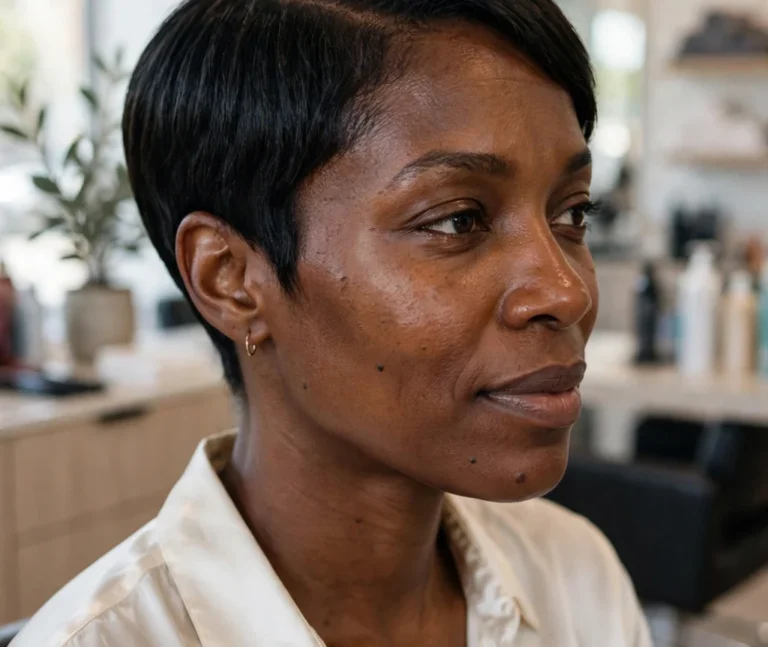
A classic textured pixie is a versatile short hairstyle for women over 50 who enjoy a defined shape with plenty of personality. The cut combines shorter sides and a neat nape with slightly longer crown layers, allowing the top to move instead of sitting flat. Soft texture around the forehead keeps the silhouette approachable, while small variations in length create separation. This style can look beautiful in silver, brunette, blonde, or salt-and-pepper hair, especially when the haircut follows your natural growth pattern and keeps the hairline looking comfortable and believable.
Ask your stylist for a pixie with enough length on top to sweep forward, lift gently, or move to one side. If your hair is fine, discuss keeping the layers substantial rather than removing too much weight. For everyday styling, work a small amount of lightweight mousse through damp hair, then use your fingers to guide the crown as it dries. Finish with a little styling paste on selected ends. Expect regular shape maintenance, because the short sides and neckline become noticeably different as the haircut grows out.
2. Long Pixie with Side-Swept Bangs
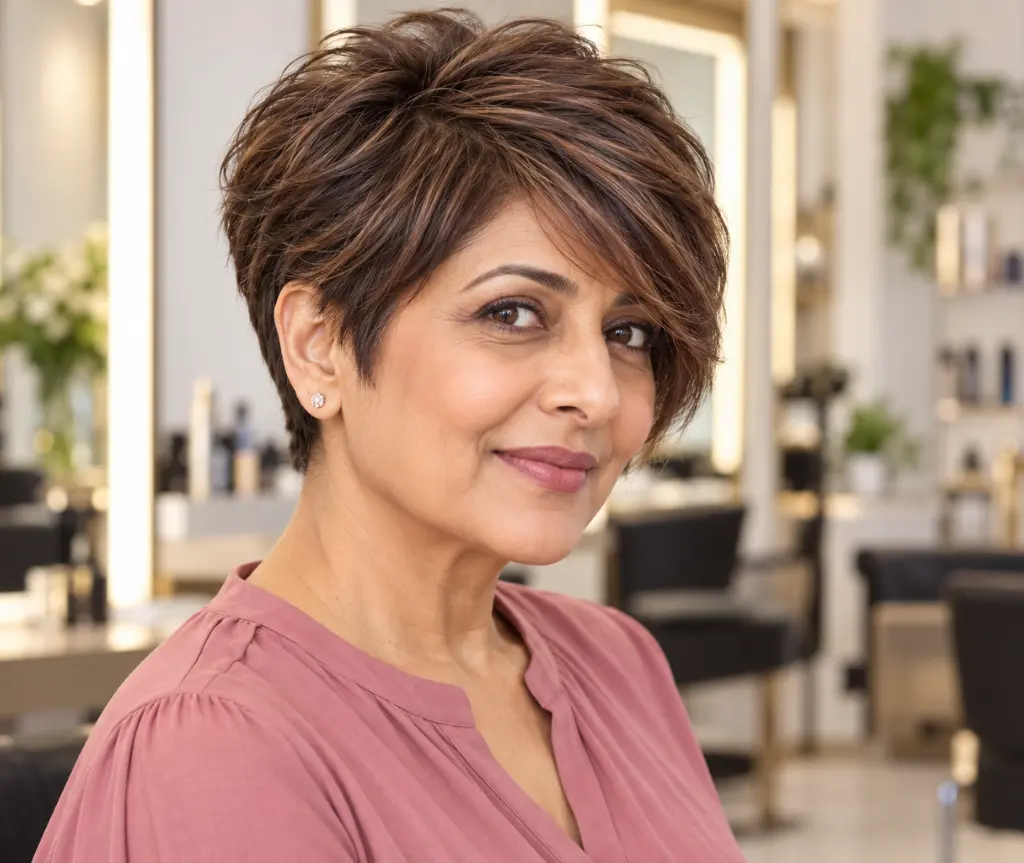
A long pixie with side-swept bangs offers a softer introduction to short hair because it retains movement around the forehead and temples. The longer fringe travels diagonally across the face, while the sides and back stay controlled enough to preserve a recognizable pixie shape. This combination is useful when you want a compact haircut without exposing the entire forehead. It also gives you styling flexibility, since the front can be tucked, swept loosely, or shaped with a gentle bend depending on your mood and the way your hair naturally falls.
During your consultation, discuss where the fringe should end and whether it needs to work around glasses. A cheekbone-length section produces a different effect from a shorter eyebrow-skimming bang, so reference photographs help clarify your preference. Keep the crown connected to the longer front rather than creating a heavy shelf of hair. At home, direct the fringe across the forehead with a small brush or your fingers. A light finishing cream can define the ends, while an occasional ear tuck creates an easy variation without changing the haircut.
3. Feathered Pixie
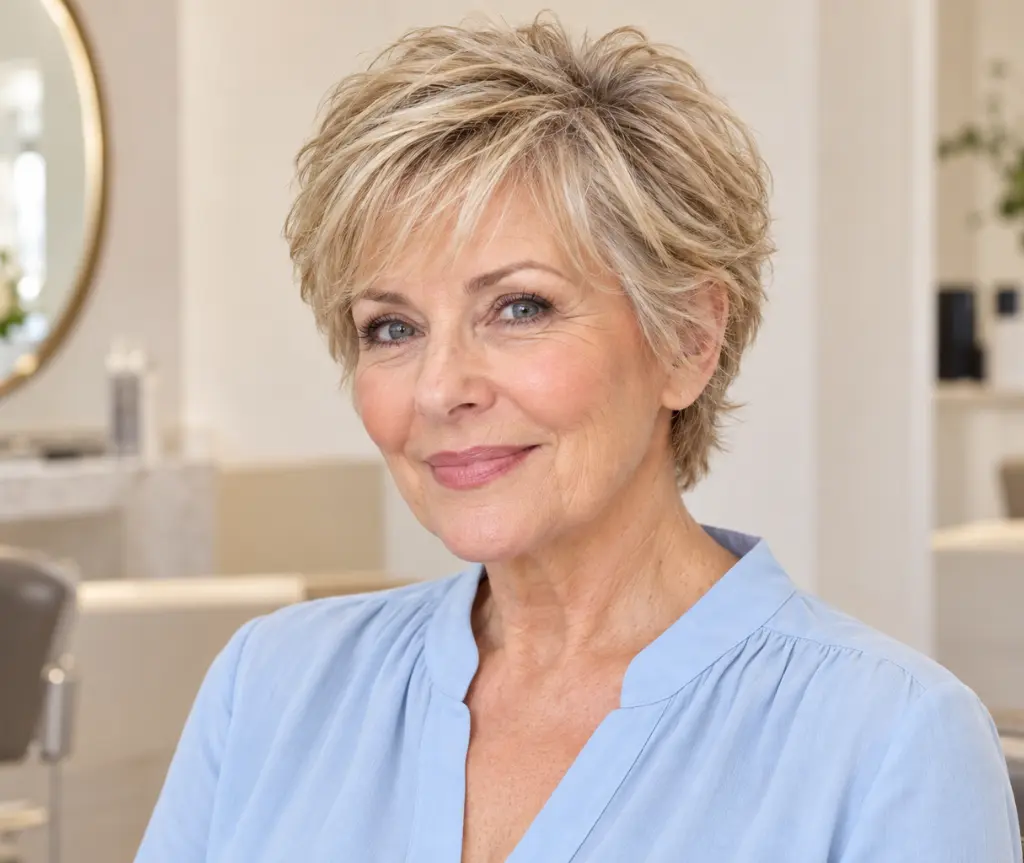
A feathered pixie features light, overlapping sections that create a soft, airy outline around the crown and face. Unlike a sharply spiked crop, this hairstyle relies on gentle directional movement, with the ends brushing backward or sideways. It is an appealing choice for women over 50 who like short hair with a little softness around the ears and temples. Blonde, silver, and softly highlighted colors can make the layered pattern easier to see, although the effect depends more on the cut and styling than on any particular hair color.
Ask for feathered movement tailored to your density, especially if your hair is fine or sparse at the temples. Too much thinning can make the ends look wispy, so your stylist may choose selective layering instead. Use a small round brush to encourage a soft backward curve, or finger-style the sections for a more relaxed finish. Keep the styling product light enough to preserve movement. Before leaving the salon, ask for a demonstration of the direction used around your crown, because following that pattern can make home styling much easier.
4. Curly Pixie
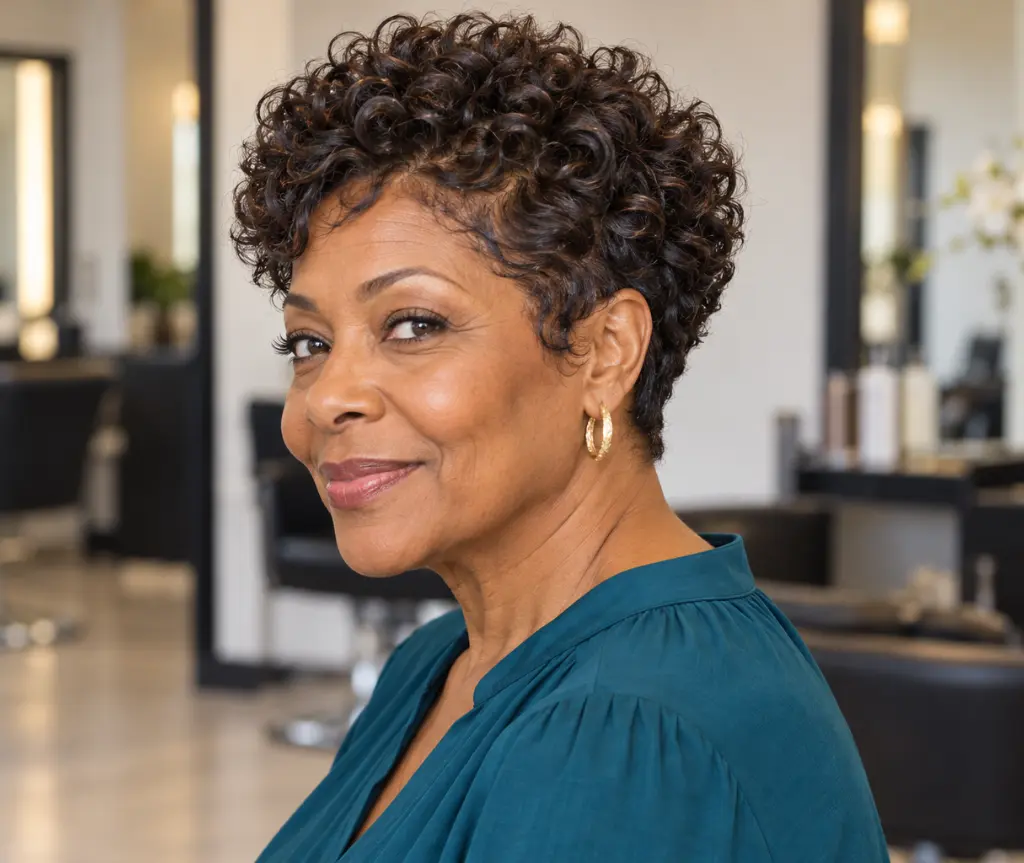
A curly pixie lets natural curls take center stage while keeping the overall length compact. The defining feature is a shaped crown with visible curl clusters, balanced by shorter sides and a softly controlled neckline. Rather than flattening the texture, the haircut works with its natural lift and movement. This is a lovely short hairstyle for women over 50 who enjoy their curls but prefer less length around the neck. The finished silhouette can be rounded, slightly elongated, or gently asymmetrical depending on your curl pattern and preferred proportions.
Choose a stylist who can assess how your curls sit when dry, including their shrinkage and the direction of growth around the hairline. Ask for enough crown length to keep the curls recognizable instead of trimming every section equally short. For styling, distribute a suitable curl product through damp hair and arrange a few front pieces deliberately. Let the hair dry with minimal disturbance, or use a diffuser gently when desired. Refresh individual curls between washes rather than repeatedly reshaping the entire head, and adjust product quantity to your actual hair density.
5. Tapered Natural Cut
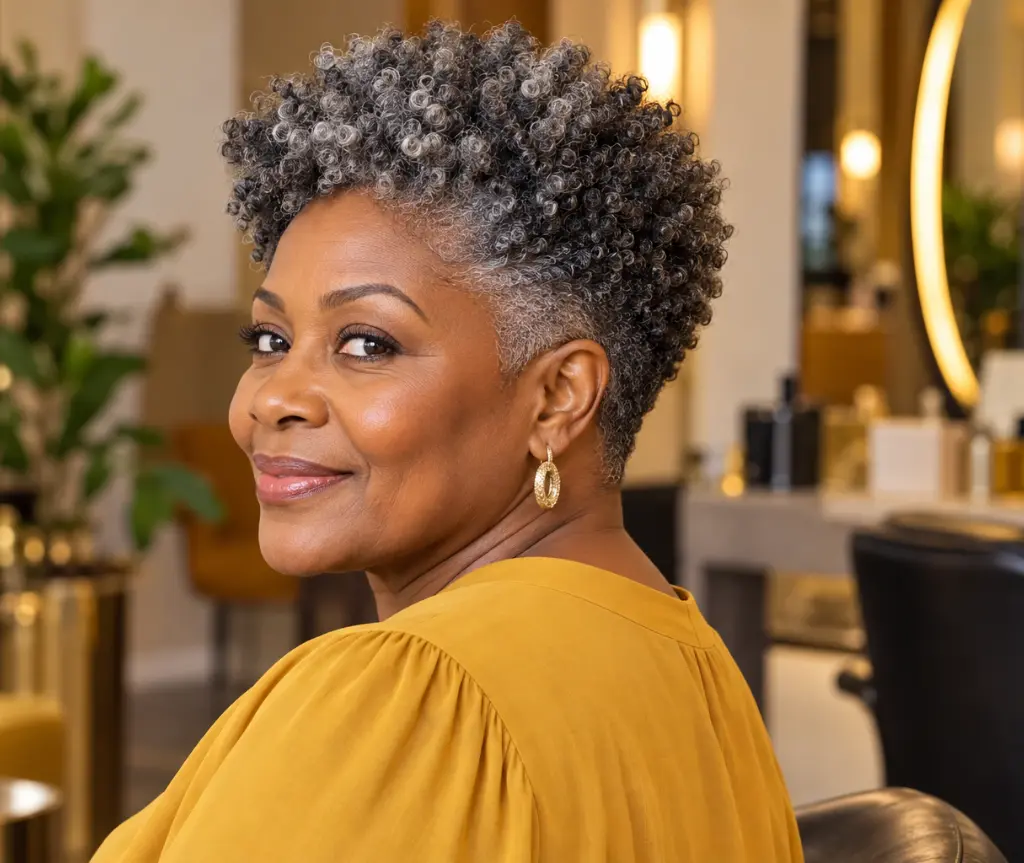
A tapered natural cut creates a striking shape through the contrast between a fuller crown and progressively shorter sides and back. For women over 50 with coily hair, the style provides room for texture while keeping the perimeter compact and intentional. The top can be softly rounded, sculpted upward, or directed slightly forward, depending on your preference. Natural gray strands can add beautiful visual variation throughout the coils. The hairstyle works especially well when the taper follows your head shape and preserves a comfortable, natural-looking hairline around the forehead and temples.
Ask your stylist to explain how much length will remain on the crown after shrinkage, and bring references showing a similar coil pattern to yours. A soft taper gives a different finish from a closely clipped fade, so specify which look you prefer. Style with products suited to your texture, creating either defined coil clusters or a softly picked shape. Pay attention to how the crown connects with the shorter sides. Maintaining that transition is central to the haircut, even when you alternate between different levels of curl definition.
6. Soft Bixie Haircut
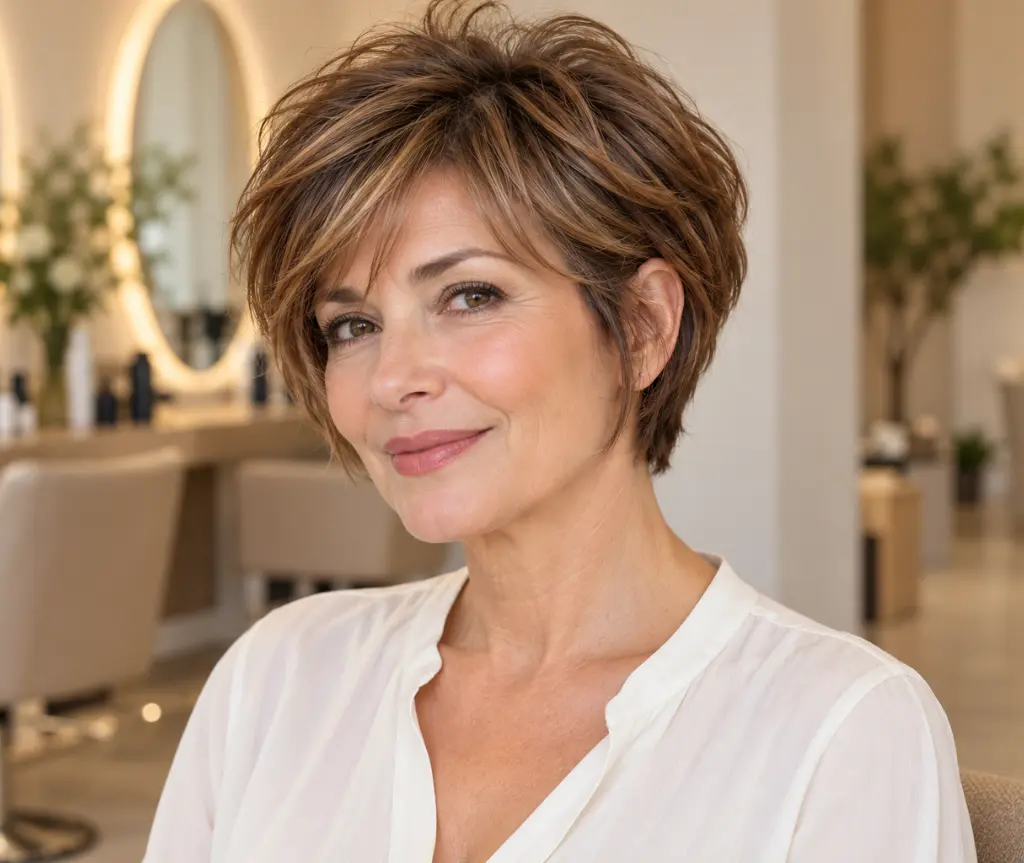
The bixie blends the compact shape of a pixie with the fuller outline of a short bob. It typically keeps more length around the ears and upper nape, creating a soft silhouette that can be tucked or lightly tousled. For women over 50 who are considering shorter hair but still enjoy some coverage around the face, this cut offers a useful middle ground. Gentle layering allows movement without requiring a strongly choppy finish, and the front can be customized with wispy bangs, a side-swept fringe, or longer face-framing pieces.
Because the term bixie can describe several different shapes, show your stylist the exact proportions you like. Discuss the amount of ear coverage, the neckline length, and whether you want the front to tuck easily. Fine hair may benefit from fewer layers near the perimeter, while denser hair may need selective weight removal. Style the cut with a light mousse and a relaxed blow-dry, guiding the front into position. You can also emphasize natural waves for a softer result, provided the layers are designed to support your texture.
7. Chin-Length Blunt Bob
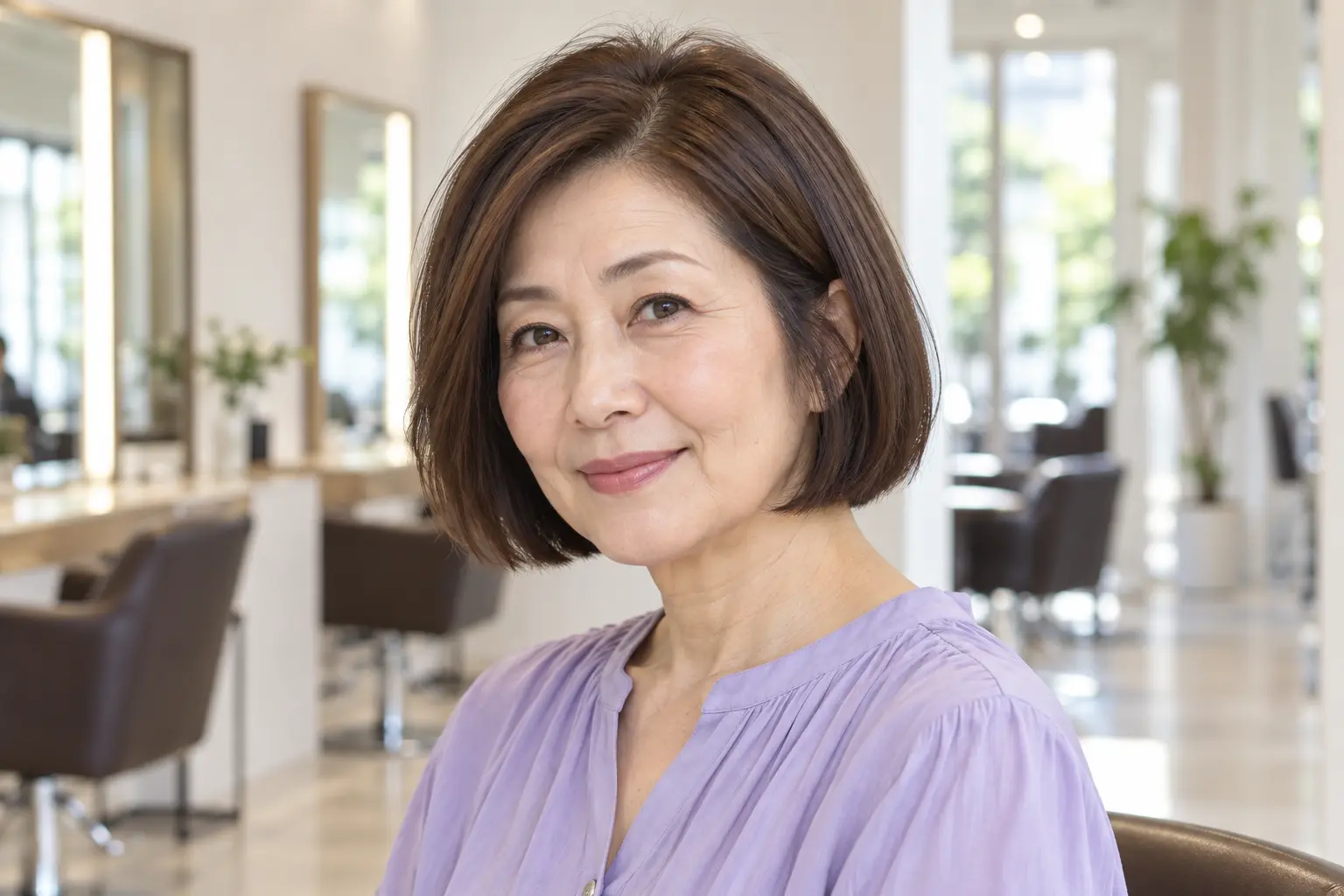
A chin-length blunt bob gives short hair a clear, substantial perimeter. The ends sit around the jaw, creating a simple outline that can look particularly appealing when you prefer a polished haircut with minimal visible layering. For women over 50 with fine hair, this shape may help the ends appear more substantial, although the final effect depends on actual density and styling. A center part creates balance, while an off-center part changes the distribution of volume. The cut can be worn sleek or with a slight natural bend.
Before committing to the length, ask your stylist to check how the bob falls around your jaw, ears, and neckline. Hair that bends outward naturally may need a slightly different endpoint from hair that sits straight. Keep the perimeter strong if fullness is your priority, and discuss whether subtle internal shaping is necessary. For a smooth finish, guide the ends with a brush during drying rather than forcing a dramatic inward curl. This haircut also suits a relaxed air-dried texture when you enjoy a less structured everyday appearance.
8. Graduated Bob
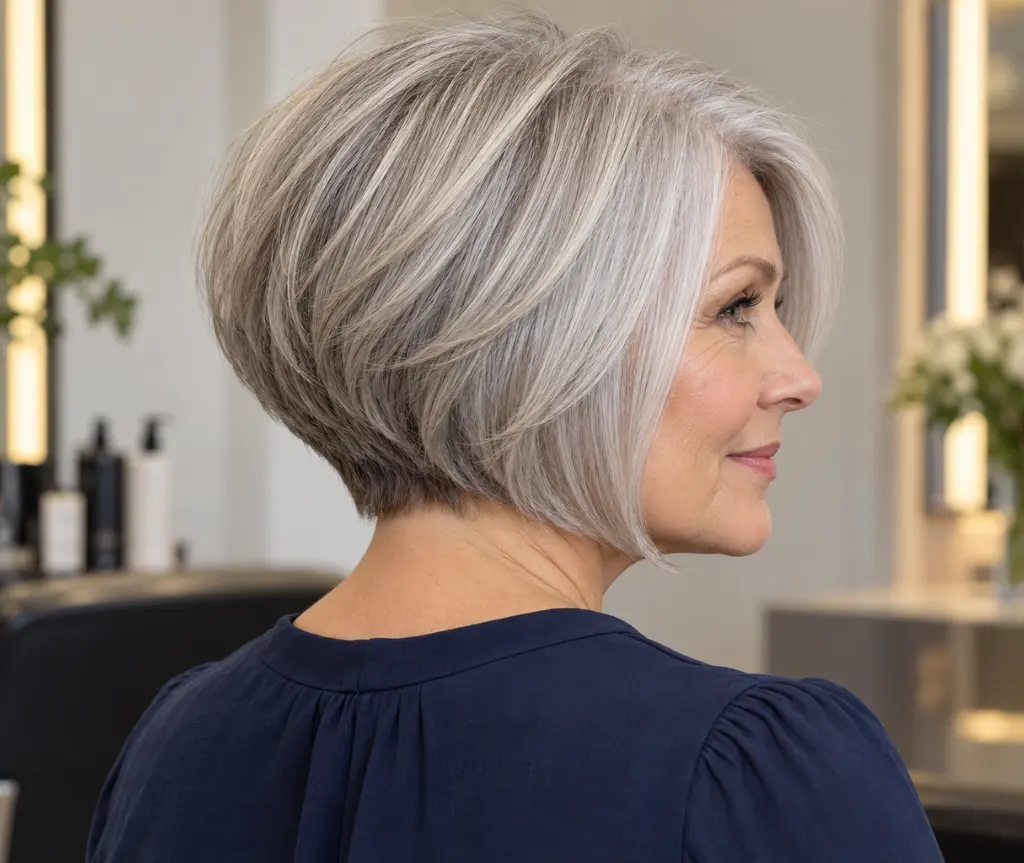
A graduated bob creates its distinctive shape through shorter stacked sections at the back and longer lengths toward the front. The result is a defined nape with a rounded buildup of volume above it, rather than an evenly cut bob all the way around. This short hairstyle for women over 50 can appeal to those who enjoy a structured silhouette and a clean neckline. The degree of graduation matters: a subtle version looks softly shaped, while a stronger stack creates a more pronounced profile and requires more precise maintenance.
Bring a side or rear-view reference so your stylist can understand the amount of stacking you want. Discuss how the shape will behave with your natural texture, particularly if your nape hair grows upward or forms a strong cowlick. For styling, lift the back gently as you dry, then guide the longer front sections into place. Avoid requesting excessive stacking simply to create fullness, because the shape should still suit your density. A well-planned graduated bob looks intentional from the back as well as from the front.
9. Short Bob with Side Bangs
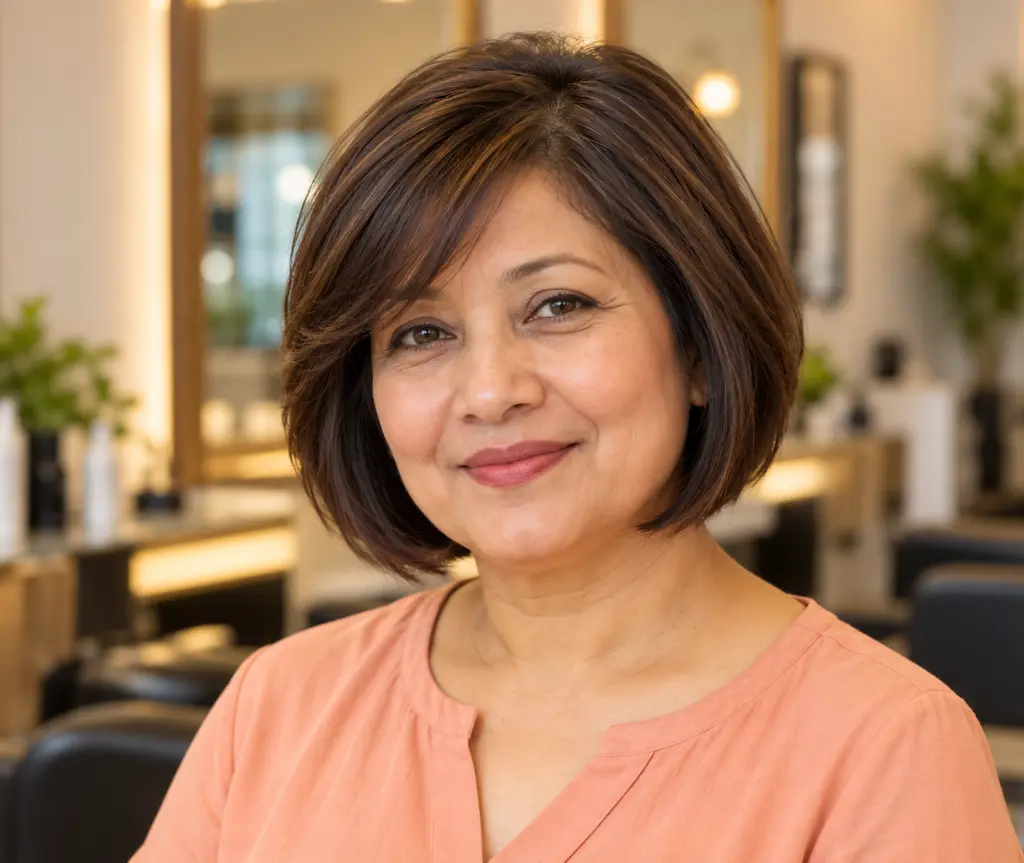
A short bob with side bangs combines a familiar jaw-length shape with a gentle diagonal fringe. The bangs bring movement across the forehead and can connect smoothly with the side sections, making the haircut feel cohesive rather than divided into separate pieces. This style is worth considering if you enjoy the simplicity of a bob but want more softness near the face. It works with straight hair and subtle waves, and the fringe can be adjusted to suit your preferred parting, glasses, and the amount of forehead coverage you like.
Ask your stylist to cut the fringe according to its natural direction instead of assuming it will stay in a position your hair resists. A side bang should also be checked when dry, since its length and curve can change during styling. Use a small amount of lightweight product and direct the fringe across the forehead before it dries completely. The rest of the bob can remain smooth or softly textured. If you wear glasses daily, test the fringe with them on so it falls comfortably around the frames.
10. Short Shaggy Bob
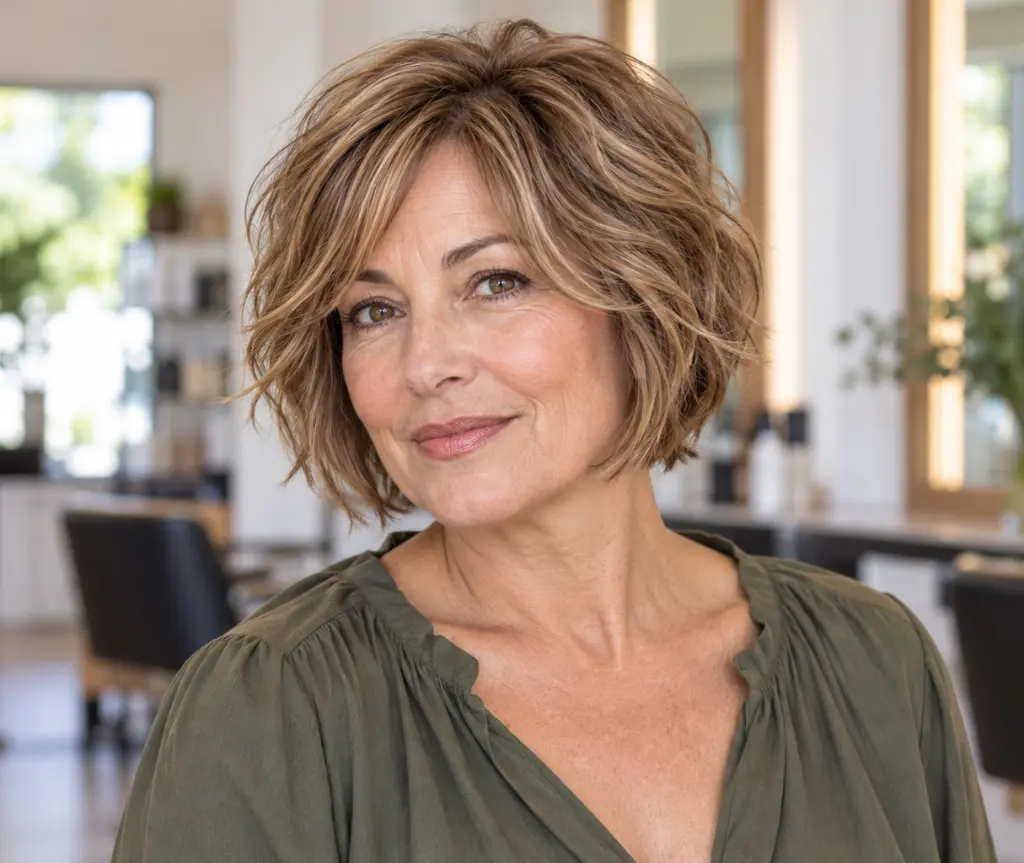
A short shaggy bob brings a relaxed, textured finish to a familiar bob length. The shape usually includes visible layers through the crown, movement around the cheeks, and ends that look softly broken up rather than perfectly uniform. For women over 50 who prefer a casual hairstyle, the shaggy bob can provide an appealing alternative to a sleek cut. It is especially expressive on naturally wavy hair, where the layers encourage different sections to bend independently. The key is keeping enough perimeter weight so the hairstyle still reads as a bob.
Talk with your stylist about how much texture your hair can support. Fine hair may need a restrained version with fewer short layers, while thick hair may accommodate more separation. Ask whether a scissor finish or selective texturizing will best suit your strands rather than requesting a razor automatically. Style with a light mousse or texture product, then encourage your natural movement with your hands. A few deliberately arranged front pieces can finish the look. The haircut should feel relaxed without depending on heavy product or constant reshaping throughout the day.
11. Rounded Bob for Fine Hair
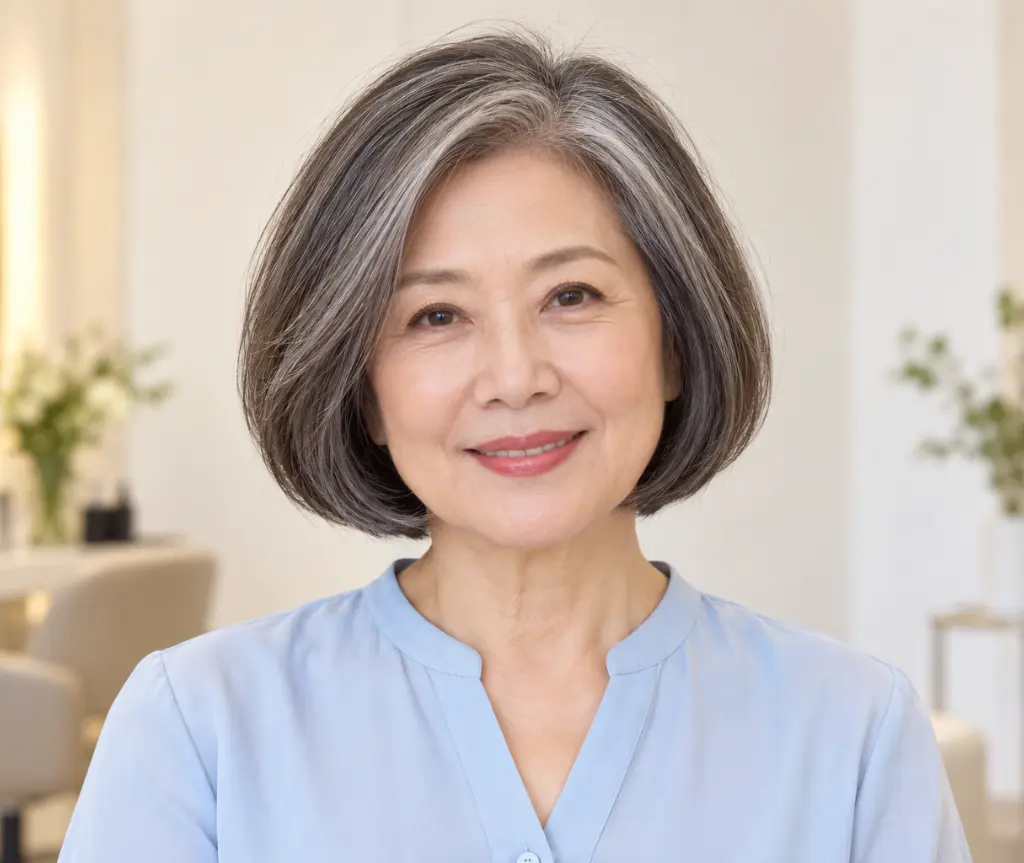
A rounded bob for fine hair uses a curved silhouette and a substantial lower edge to create a tidy, cohesive shape. The volume is concentrated around the sides and back, with the ends gently bending inward rather than hanging in separated wisps. Women over 50 who prefer an orderly haircut may appreciate the way this bob frames the face and keeps the neckline clear. It can be worn with a short fringe, longer side bangs, or an open forehead, depending on the balance and level of softness you prefer.
Request careful shaping that preserves density near the ends, and explain whether you plan to blow-dry regularly or rely on air-drying. A strongly curved salon finish may not reproduce itself on very straight hair without some styling. Use a modest amount of lightweight mousse and a brush that gives the ends a gentle bend, avoiding an exaggerated curl. Discuss the crown separately if you have a flat area or cowlick. The objective is a balanced silhouette suited to your hair, rather than adding layers everywhere in the hope of creating volume.
12. Asymmetrical Short Bob
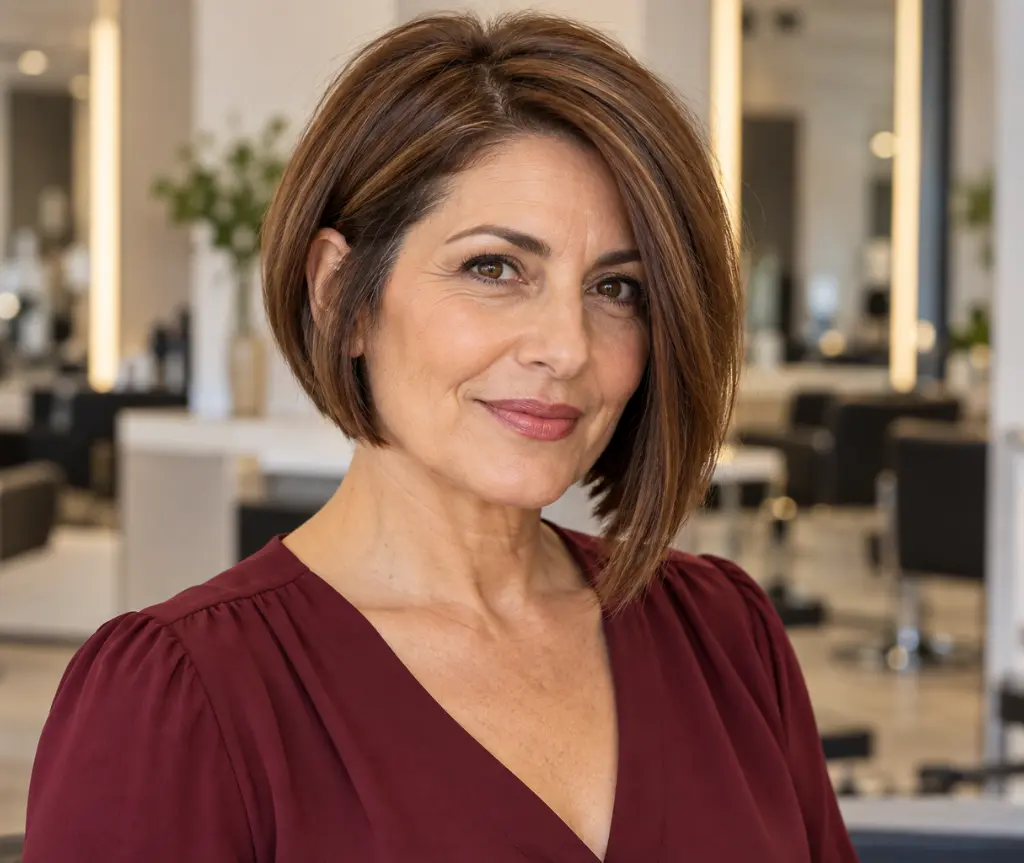
An asymmetrical short bob creates interest by leaving one side visibly longer than the other. The difference can be subtle, such as one side sitting at the jaw and the other slightly below it, or more pronounced if you prefer a stronger statement. This hairstyle for women over 50 offers a distinctive outline without necessarily requiring heavily textured layers. A side part often supports the design, directing more hair toward the longer section. The look works best when the asymmetry appears deliberate and remains easy to recognize from different angles.
Ask your stylist to show you the proposed lengths before cutting, especially if you want both sides to tuck behind the ears. Consider your natural part and any areas where the hair tends to lift or bend outward. A clean perimeter emphasizes the shape, while subtle internal layering can soften a heavier finish. At home, guide the longer section into position and let the shorter side sit neatly around the ear. Keep the styling flexible enough for daily life, and discuss how the cut will look as the asymmetry grows out.
Medium-Length Hairstyles for Women Over 50
13. Classic Shoulder-Length Lob
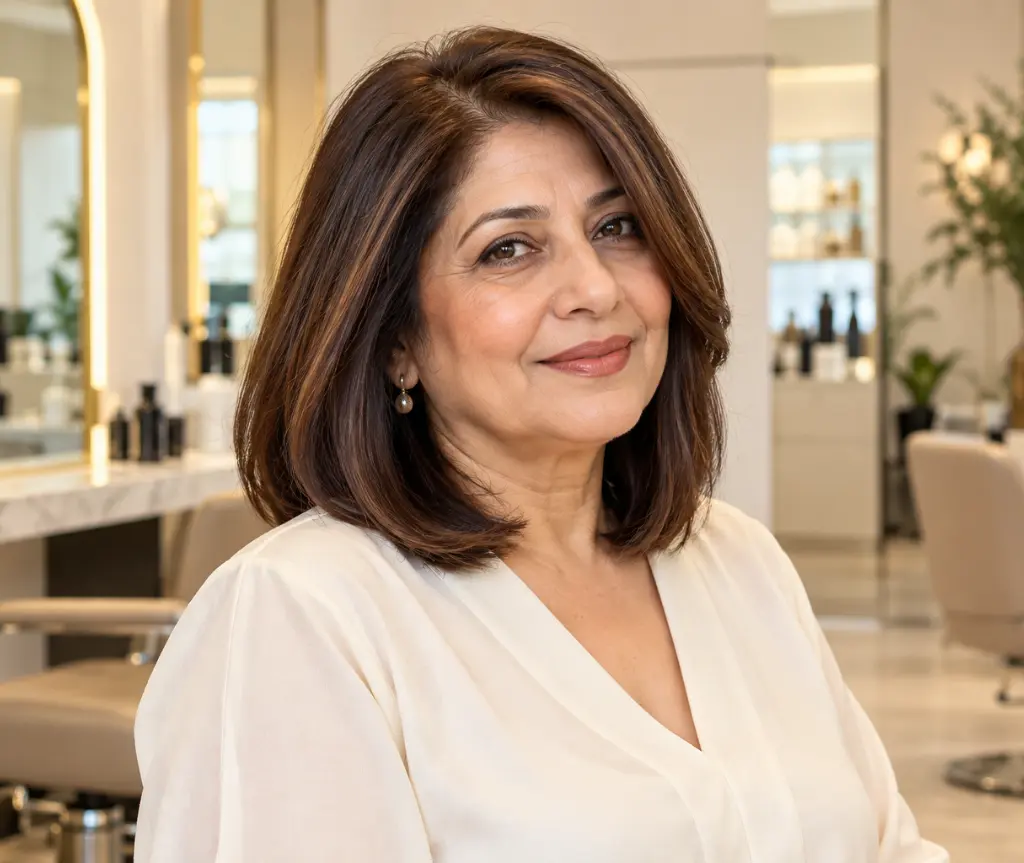
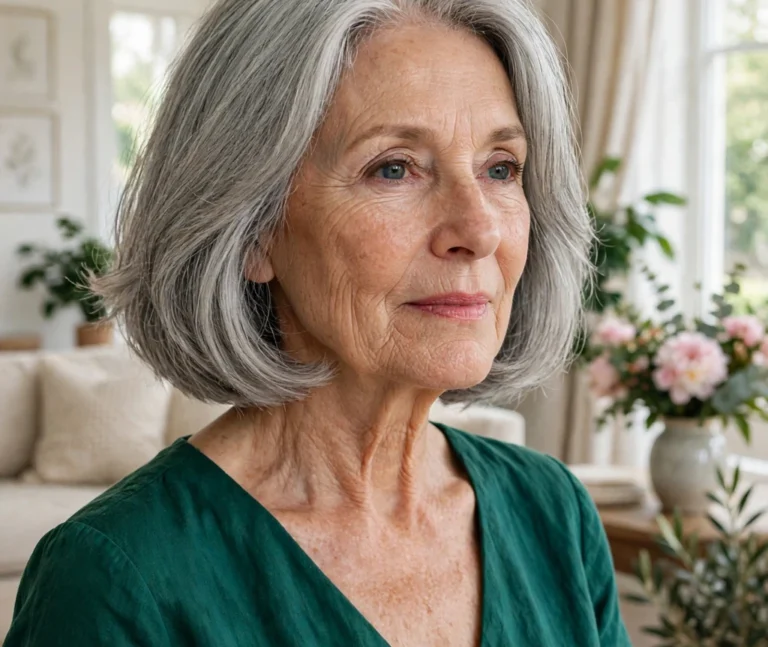
A classic shoulder-length lob provides enough length for movement and simple tied-back styles while maintaining the recognizable outline of a long bob. The ends sit around the shoulders, creating a versatile starting point for straight, wavy, or lightly curled finishes. For women over 50 who do not want a very short haircut, the lob offers a practical compromise between shape and flexibility. The front can remain nearly even with the back or extend slightly longer, and a soft off-center part can change the silhouette without requiring a fringe.
Discuss where the ends should fall when your hair is dry, because the shoulders can push certain lengths outward. A lob that sits just above the shoulder behaves differently from one that rests on it. Ask for a perimeter that suits your density, with minimal layering if you want a fuller-looking lower edge. Style it smooth for a polished result or add a few loose bends for movement. Before choosing the final length, check whether it will still gather comfortably into the ponytail or clip style you use most often.
14. Layered Lob with Curtain Bangs
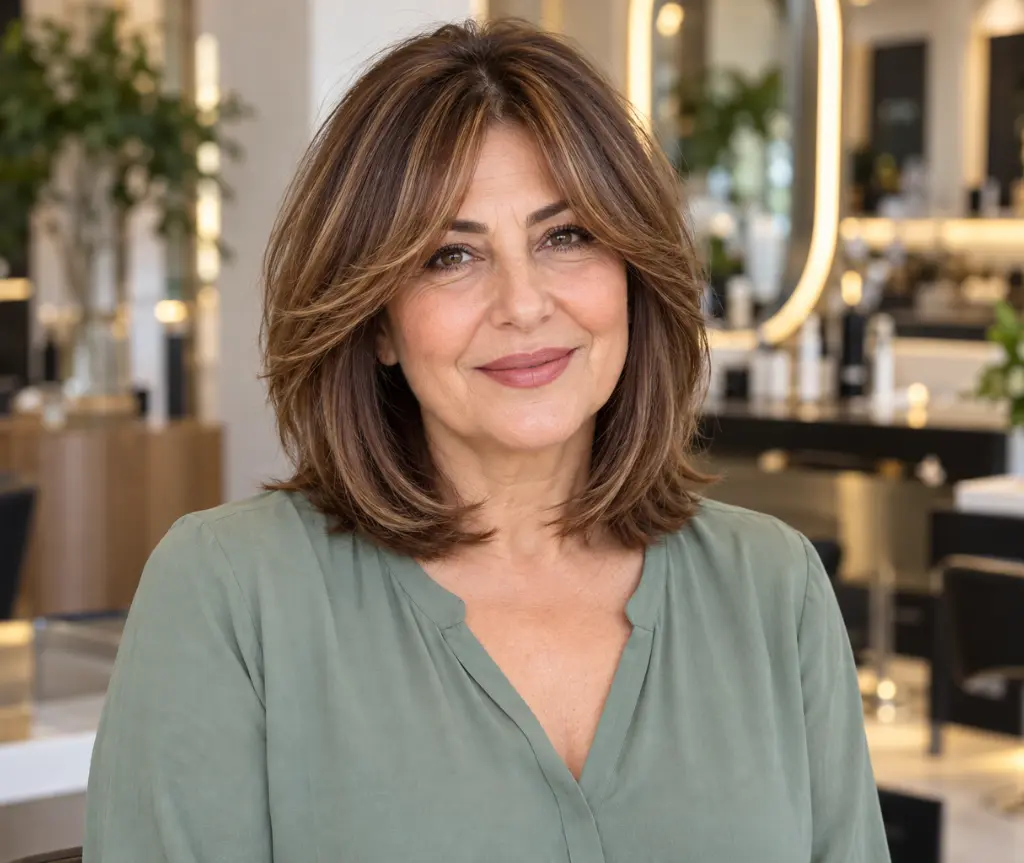
A layered lob with curtain bangs brings movement through the lengths and an open, face-framing shape around the forehead. The fringe separates near the center and curves outward toward the cheekbones, connecting with longer front layers. This medium-length hairstyle for women over 50 can feel soft and adaptable, especially when you enjoy a little shape around the face without a solid full bang. The lob keeps the overall length manageable, while the curtain fringe offers different styling options, from a gentle center opening to a slightly offset part.
Ask your stylist to tailor the shortest fringe sections to your hairline and styling habits. Curtain bangs that look effortless in a photograph may require drying in a particular direction, especially on very straight hair or around a cowlick. Keep the lower lengths substantial if your hair is fine, and avoid making every layer short. At home, guide the fringe forward first, then encourage it to open away from the face. Let the remaining hair follow its natural movement, adding a soft bend only where you want more definition or lift.
15. Collarbone-Length Blunt Cut
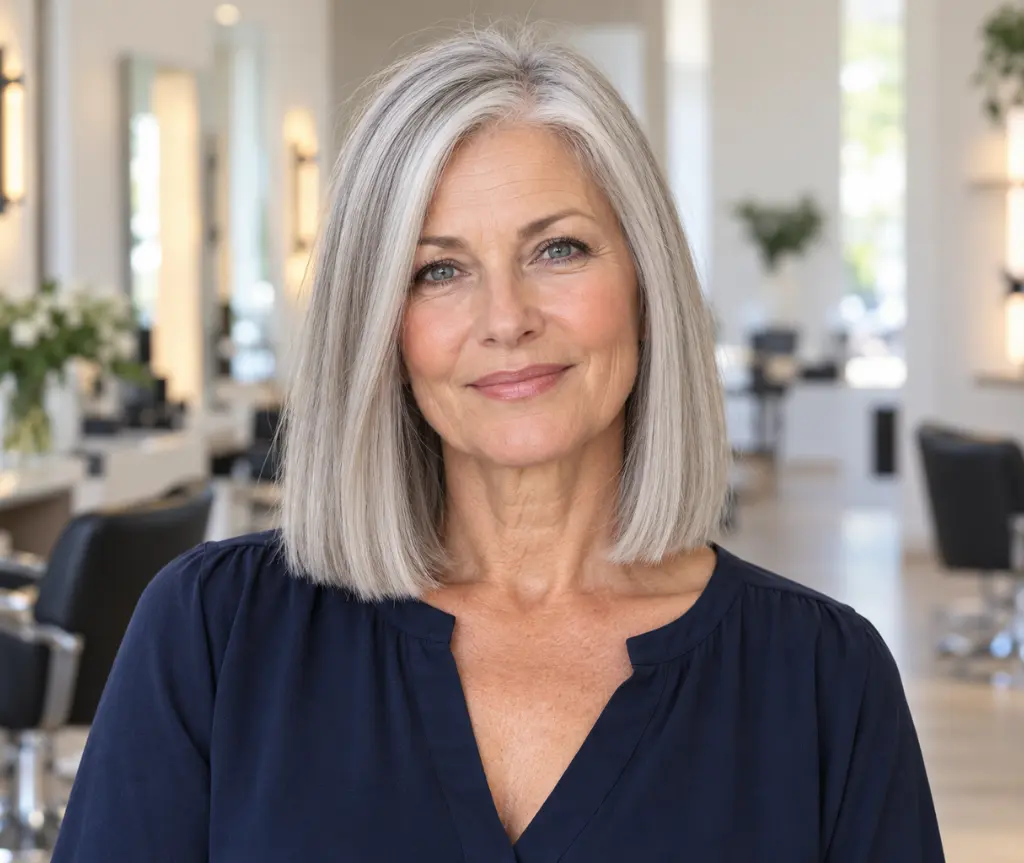
A collarbone-length blunt cut is an elegant option when you want medium-length hair with a clear, substantial outline. Its defining feature is the continuous lower edge, which creates a stronger visual finish than heavily feathered or tapered ends. Women over 50 with fine or straight hair may appreciate the simplicity of this shape, particularly when they prefer fewer layers. The haircut can be parted centrally, slightly off-center, or deeply to one side, and each choice changes how the front sections frame the face and distribute the available volume.
Ask your stylist to evaluate the ends before setting the length, because a blunt cut looks most cohesive when the perimeter has enough density. If your hair is thick, discreet internal shaping may make it easier to wear without changing the visible outline. Style with a controlled blow-dry or embrace a gentle natural wave for a softer interpretation. Avoid overloading fine strands with finishing products. A small amount applied mainly to the ends may be enough, and a simple ear tuck can open the face while preserving the haircut’s clean shape.
16. Medium Shag with Wispy Bangs
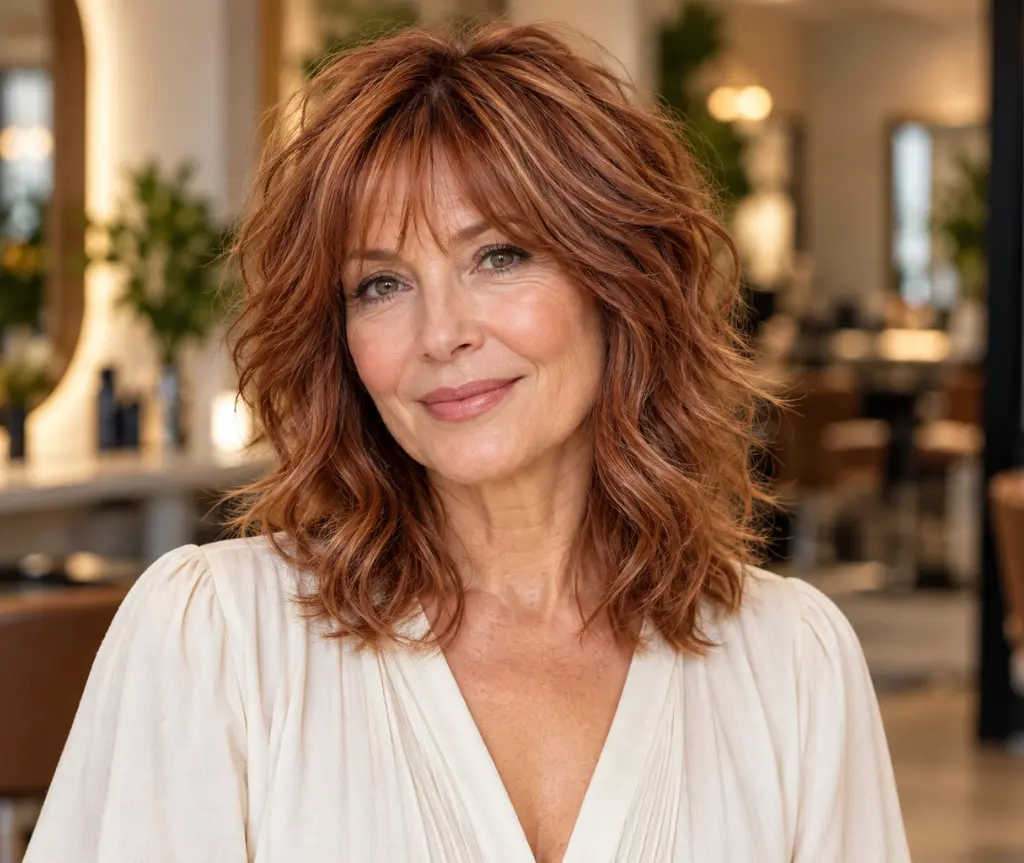
A medium shag with wispy bangs combines a layered crown, textured lengths, and a light fringe that allows small glimpses of the forehead. The haircut is expressive without needing a rigid finish, making it appealing for women over 50 who enjoy movement and an informal look. On wavy hair, the layers can create a softly tousled silhouette with shorter pieces around the cheeks. The wispy bangs keep the front airy, while the shoulder-length ends provide enough length to stop the hairstyle from feeling as compact as a short crop.
During your consultation, discuss how much density should remain through the lower lengths. A shag with too many short layers can make fine ends appear sparse, so the cut needs to be adapted rather than copied exactly from a reference. Ask for fringe sections that behave comfortably with your hairline. Use a suitable lightweight styling product and arrange the bangs before allowing them to dry. Encourage waves with gentle scrunching, then leave the texture alone as it sets. The best version should work with your natural movement rather than require constant correction.
17. Shoulder-Length Feathered Layers
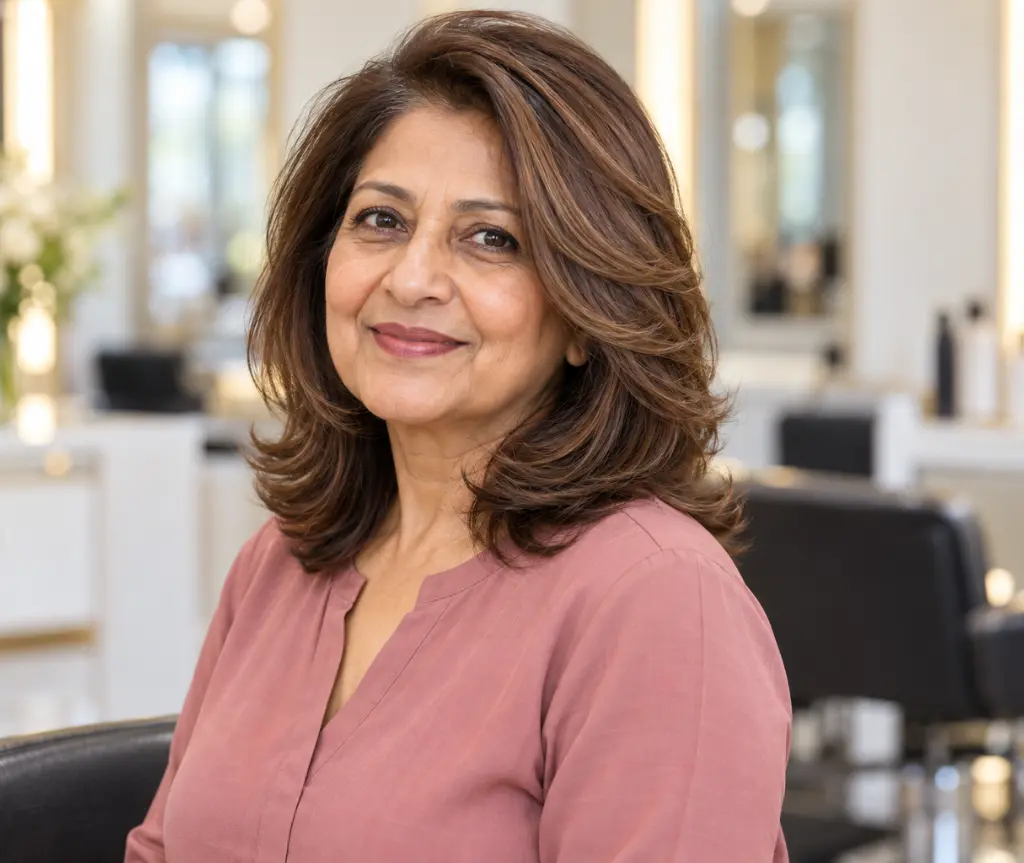
Shoulder-length feathered layers create a flowing shape with ends that curve softly away from the face or sweep backward through the sides. This hairstyle is especially appealing if you enjoy a styled finish with visible movement but do not want an aggressively choppy cut. For women over 50, the layered outline can be adjusted to retain fullness around the lower lengths while adding shape near the cheekbones. A side part gives the style a classic feel, while a more central opening creates balanced movement on either side of the face.
Ask for feathering that reflects how much time you want to spend styling, since an outward-swept finish may require some brush work. The shortest layers should sit where you want the movement to begin, rather than being chosen solely from a photograph. Use a round brush to guide selected sections away from the face, then allow the lower lengths to fall naturally. Keep the finish touchable with a light product. If you wear your hair tied back often, mention that before cutting so the front layers remain manageable in your usual updos.
18. Wavy Lob with Caramel Highlights
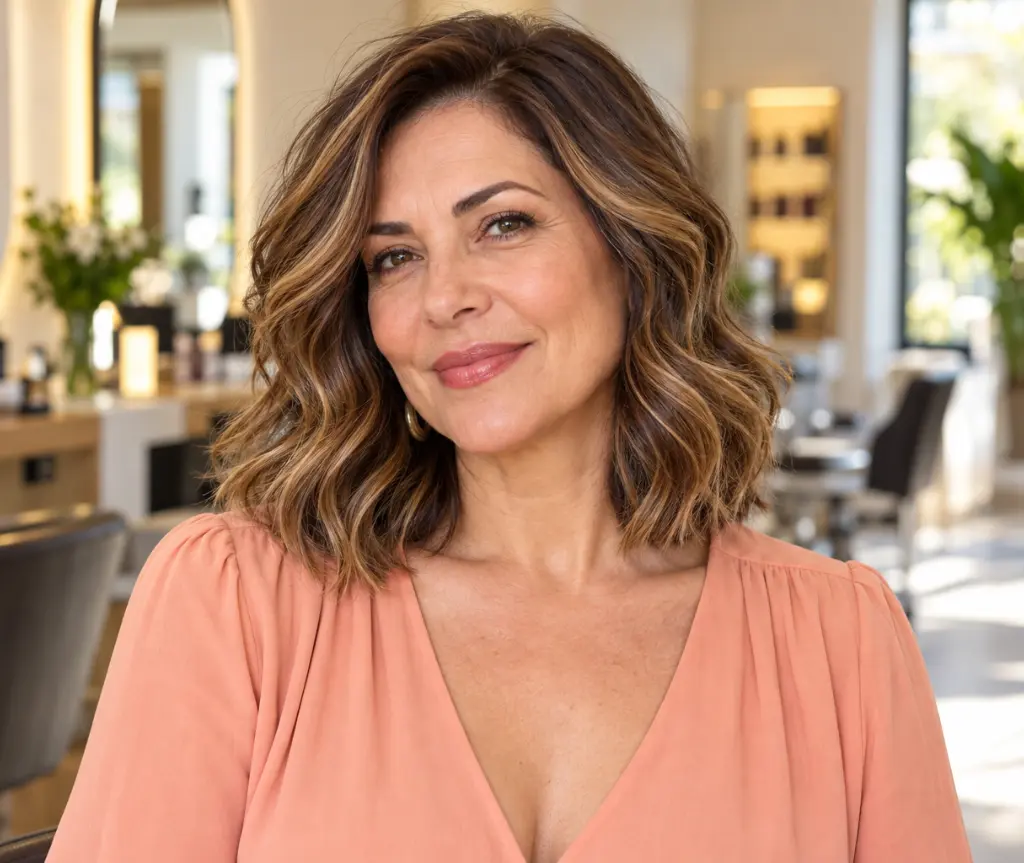
A wavy lob with caramel highlights combines an adaptable medium length with warm ribbons of color that follow the movement of the hair. The shoulder-skimming shape offers enough room for loose bends while keeping the ends relatively compact. For women over 50 who enjoy brunette hair with added dimension, caramel pieces can make the wave pattern more visible. The look can be subtle or more contrasted, depending on your starting color and preference. A darker root area may create a softer transition, but the placement should be planned individually with your colorist.
Choose a lob shape first, then discuss where the highlights will support it, especially around the face and through the visible outer layers. Ask your colorist about the upkeep required for your natural shade and existing color history. To style, use your natural waves when possible or create a few broad bends through selected sections. Leave the ends relatively relaxed for a modern finish. Protect the overall shape by keeping the layers restrained if your hair is fine, and use finishing products sparingly so the waves remain separated and easy to move.
19. Natural Gray Shoulder-Length Waves
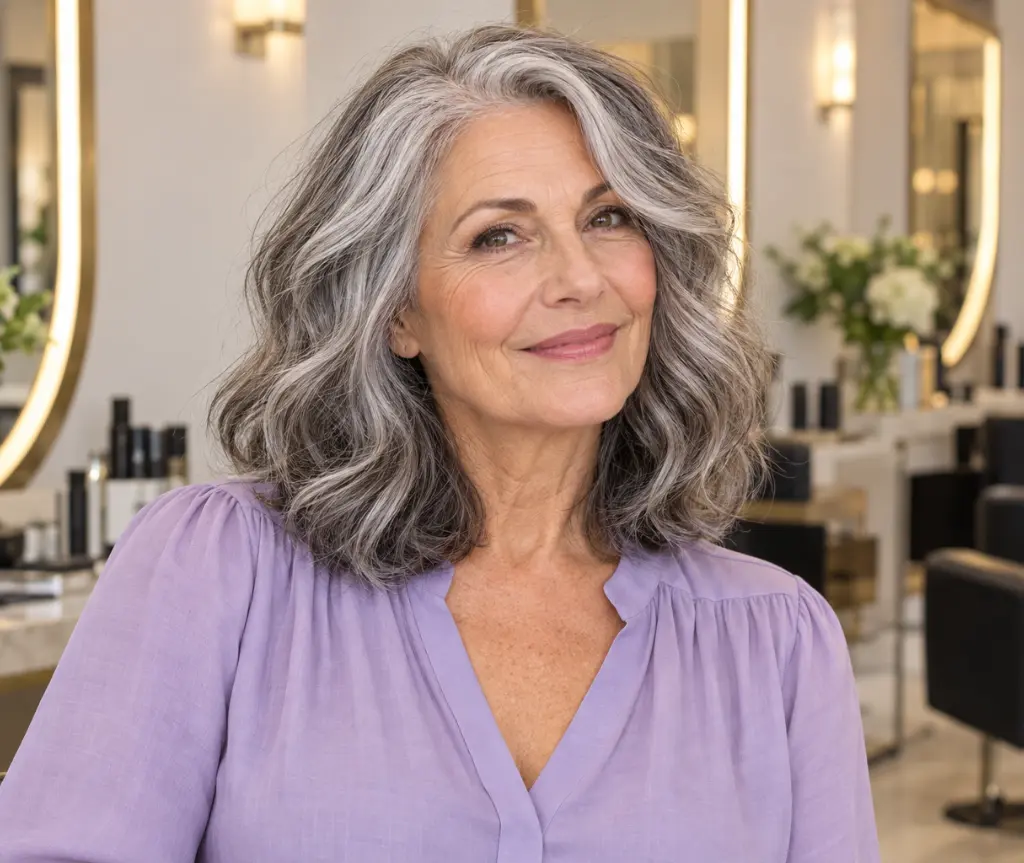
Natural gray shoulder-length waves celebrate the variation between silver, white, and darker strands while keeping the haircut versatile. The length allows the texture to develop through the sides without becoming as heavy as a much longer style. For women over 50 who prefer to wear their natural color, a softly shaped perimeter and a few carefully placed layers can make the waves feel intentional. The parting can be adjusted to highlight different areas of gray, and the hairstyle looks equally appealing with an understated finish or more defined waves for special occasions.
Ask your stylist to assess the wave pattern and density before adding layers, since gray hair does not all behave the same way. Some strands may bend differently from others, and the haircut should accommodate the texture you actually have. Apply a suitable styling product to damp hair, then arrange the front sections and encourage the lengths gently. Avoid repeatedly handling the hair while it dries if you want clear wave definition. Keep any tonal products tailored to your color needs rather than assuming every gray hairstyle requires the same routine.
20. Shoulder-Length Curly Bob
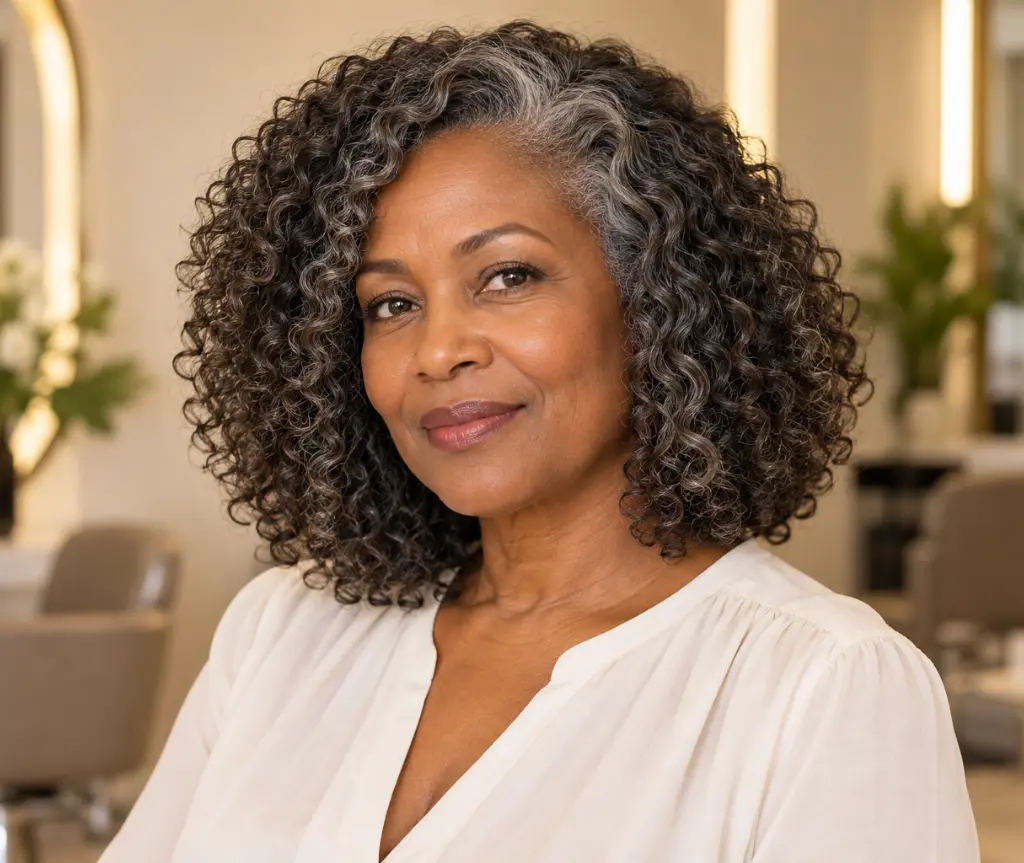
A shoulder-length curly bob offers a rounded, expressive shape with enough length for the curls to form clearly through the sides. Compared with a short curly crop, it provides more movement around the neck and additional styling possibilities. Women over 50 with naturally curly hair can tailor the silhouette to their preferred balance, whether that means fuller sides, more crown height, or a slightly elongated outline. The curl pattern, shrinkage, and density all influence the result, so the same shoulder-length description can produce quite different shapes on different people.
Discuss the desired dry length with your stylist and explain whether you usually wear your curls defined, softly separated, or more voluminous. The cut should support your everyday finish, not just a one-time salon styling method. Apply your preferred curl product evenly, then arrange the part and front curls before drying. If the ends tend to form a heavy shelf, selective shaping may help connect the outline more smoothly. Keep enough length in areas that shrink strongly, and ask how to refresh the silhouette without repeatedly wetting or restyling every section.
21. Medium-Length Cut with Face-Framing Layers
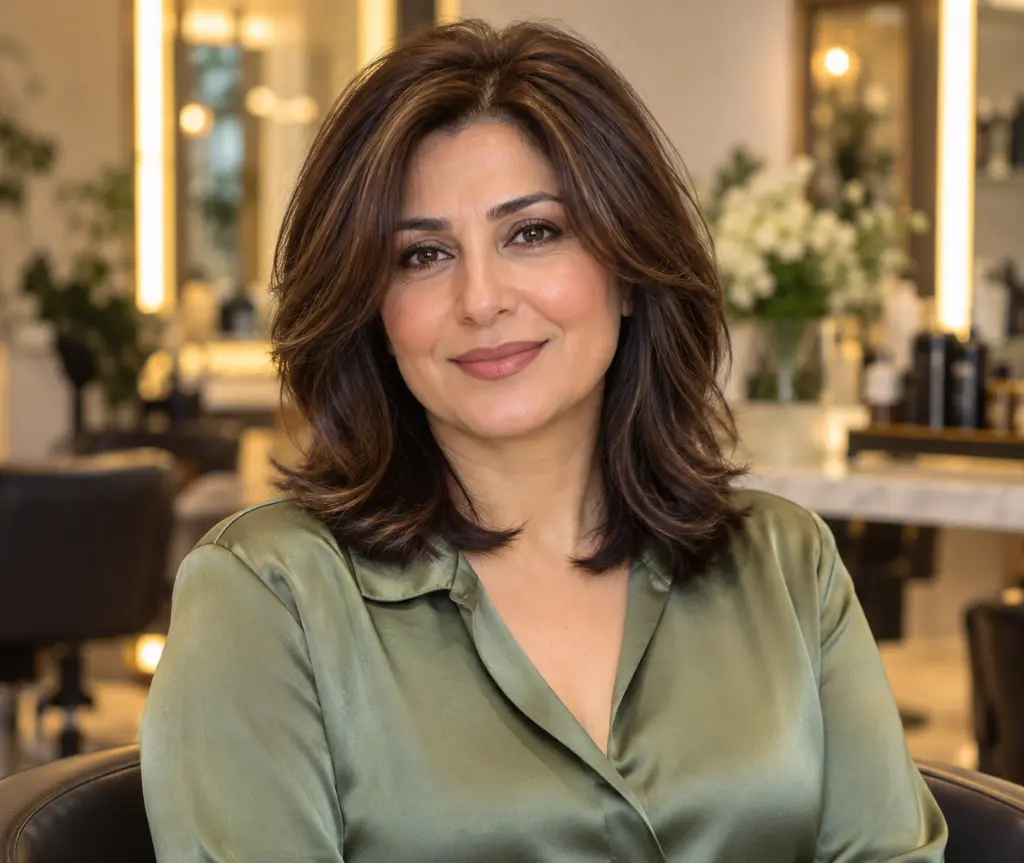
A medium-length cut with face-framing layers concentrates the shaping around the front while allowing the back and lower perimeter to stay relatively substantial. This makes it a useful option for women over 50 who want movement near the face without a heavily layered haircut. The shortest pieces may begin around the cheekbones, jaw, or chin, depending on your preferred effect. Longer sections connect gradually into the shoulder-length hair, creating a soft outline that can be worn straight, wavy, or lightly curled without losing its basic shape.
Ask your stylist to show where the shortest front section will fall before cutting. That detail influences how easily the hair tucks behind the ears and whether it stays inside your usual ponytail. If your hair is fine, preserve more weight behind the face-framing sections so the ends remain cohesive. During styling, direct the front pieces away from the face for an open finish, or let them bend naturally for a relaxed look. The rest of the hair can remain simple, making this an adaptable choice for both everyday wear and dressier occasions.
22. Medium Cut with Full Soft Bangs
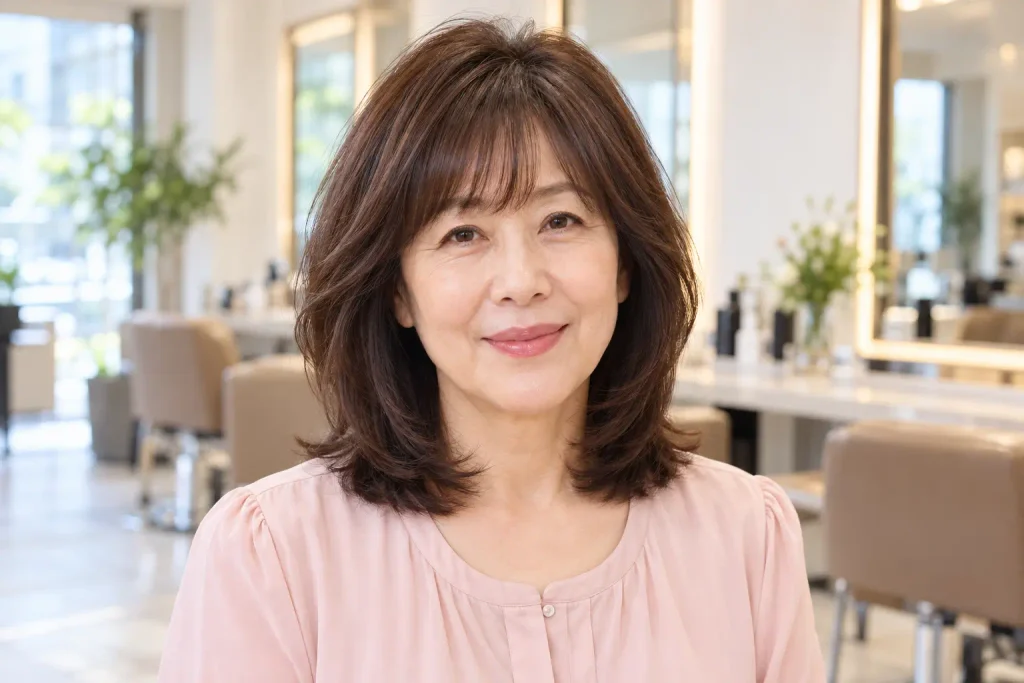
A medium cut with full soft bangs creates a defined front feature while retaining versatility through the lengths. The fringe sits around the eyebrows with a gentle edge, avoiding the severe effect of a very rigid, heavy line. For women over 50 who enjoy forehead coverage, the style can pair beautifully with shoulder-length hair and subtle layers around the sides. The bangs may be slightly curved or lightly separated, depending on density. Their success depends on how well they work with your natural hairline, rather than on age alone.
Before cutting, discuss cowlicks, fringe density, and whether you wear glasses. A full bang should use enough hair to hold its shape without taking too much from the rest of the hairstyle. Ask your stylist to check its length and demonstrate how to guide it during drying. Keep styling products minimal near the forehead so the fringe does not become heavy or separated unnecessarily. The medium lengths can be worn smooth or softly waved, while regular fringe adjustments help maintain the particular shape and visibility you prefer around your eyes.
23. Angled Lob
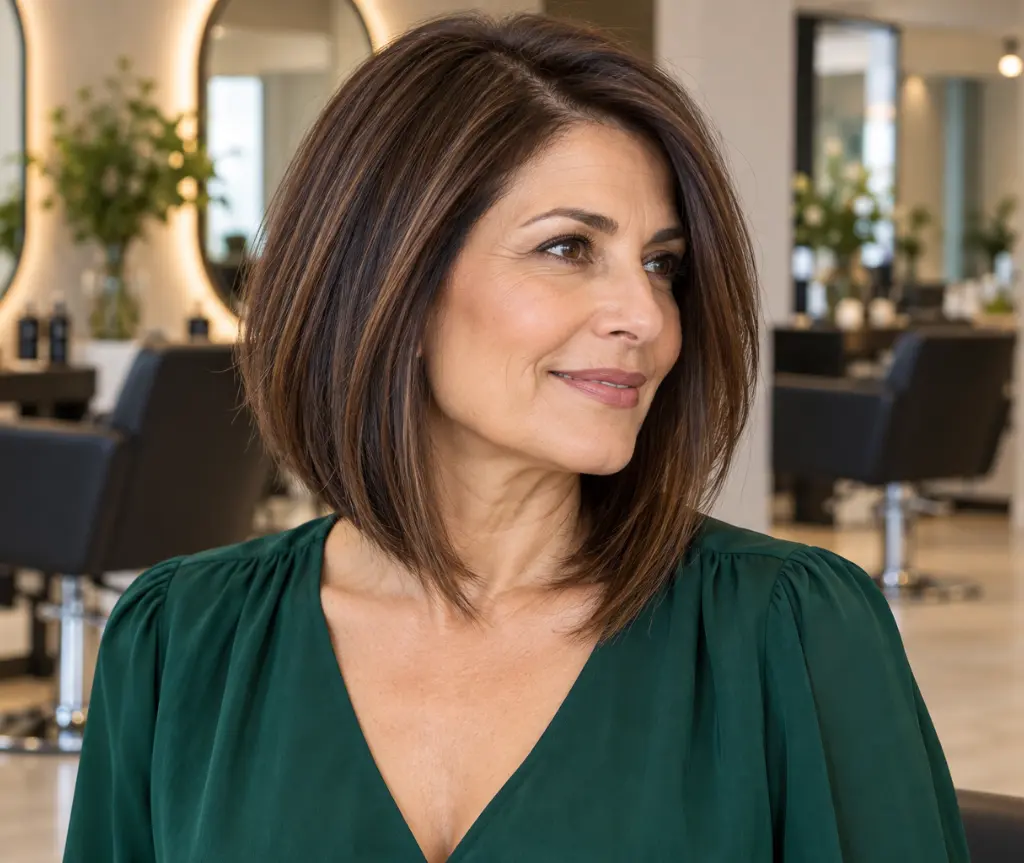
An angled lob keeps the back shorter than the front, producing a clear length progression without necessarily using a stacked nape. The longer front pieces often reach the collarbone while the back sits closer to the shoulders or above them. This medium-length hairstyle for women over 50 is a strong choice when you like a clean outline with a little visual drama. It can look sleek on straight hair or softer with loose waves, and the angle may be subtle enough for everyday versatility or more pronounced if you prefer a statement.
Show your stylist both front and side references so the desired angle is clear. Ask how the longer sections will behave with your density, particularly if the front is naturally finer than the back. A strong outline can be maintained with minimal visible layering, while thicker hair may benefit from discreet internal shaping. For daily styling, direct the front downward and allow the ends to move gently instead of forcing them into a tight curve. Consider how often you tuck your hair, because ear tucking changes the way the angled shape is displayed.
24. Layered Medium Cut for Thick Hair
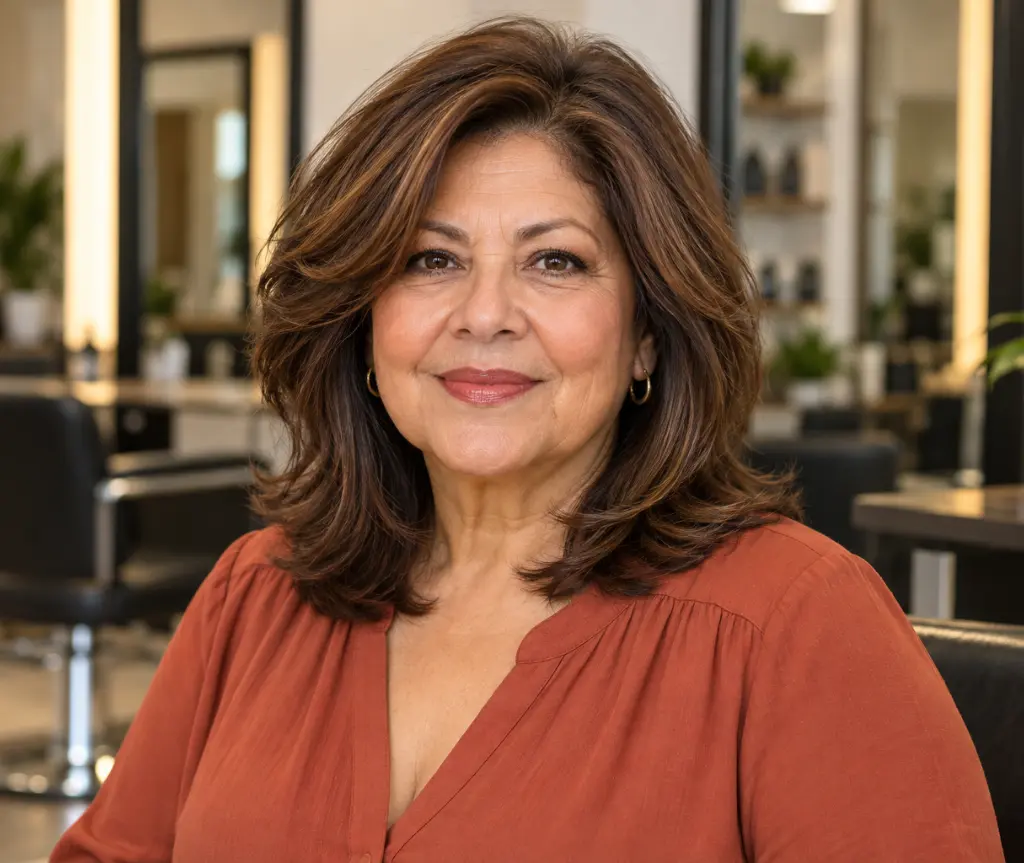
A layered medium cut for thick hair aims to make the shape more manageable while preserving enough structure for the lengths to sit well. Rather than removing weight indiscriminately, the haircut uses selected layers to redistribute fullness through the crown, sides, and lower sections. Women over 50 with dense hair may find this useful when a one-length style feels heavy or expands at the ends. The silhouette can remain softly rounded or become more flowing, depending on your texture and whether you prefer a smooth finish or natural waves.
Explain where the hair feels bulky and how you normally style it, because those details guide the placement of layers. Your stylist may adjust internal weight without making the visible surface excessively short. Be cautious about asking for extensive thinning if your hair becomes fluffy or difficult to control after weight removal. At home, work in sections so the layers settle in their intended direction, or encourage natural waves with an appropriate styling product. The goal is a cut that feels balanced throughout the head and remains practical beyond the salon appointment.
Long Hairstyles for Women Over 50
25. Long Layers with a Soft Side Part
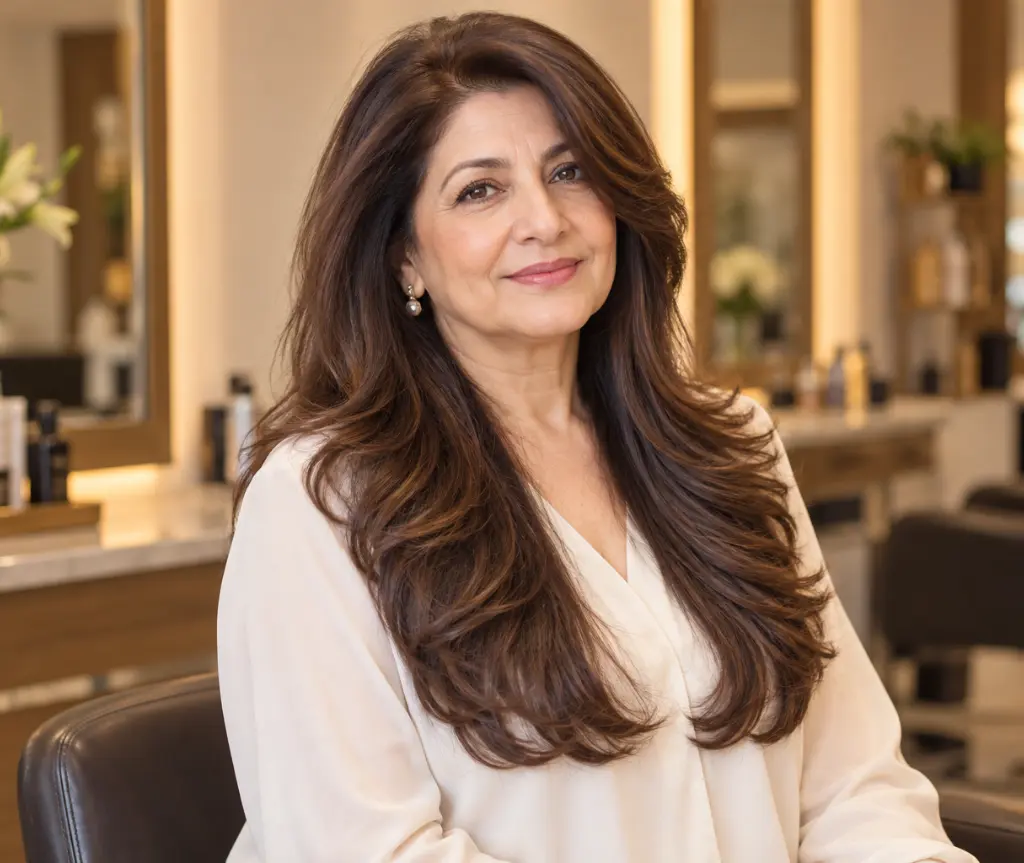
Long layers with a soft side part provide movement while preserving the length you enjoy. The layers begin below the face and continue gradually through the hair, avoiding an abrupt jump between short crown pieces and long ends. For women over 50, this hairstyle offers flexibility for loose styling, ponytails, and simple updos. A gentle side part shifts the distribution of hair without creating an overly dramatic sweep. The result can feel polished or relaxed, depending on whether the lengths are worn straight, softly waved, or naturally textured.
Ask for layers based on your density and preferred styling method, rather than assuming longer hair always needs extensive shaping. Fine hair may benefit from fewer, longer layers and a stronger perimeter, while denser hair may support more movement. Discuss how short the front pieces can be while still fitting into your usual tied-back styles. For a simple finish, guide the front away from the face and let the lower lengths fall naturally. Keep the ends looking intentional with maintenance suited to their condition and the shape you want to preserve.
26. Long Gray Waves
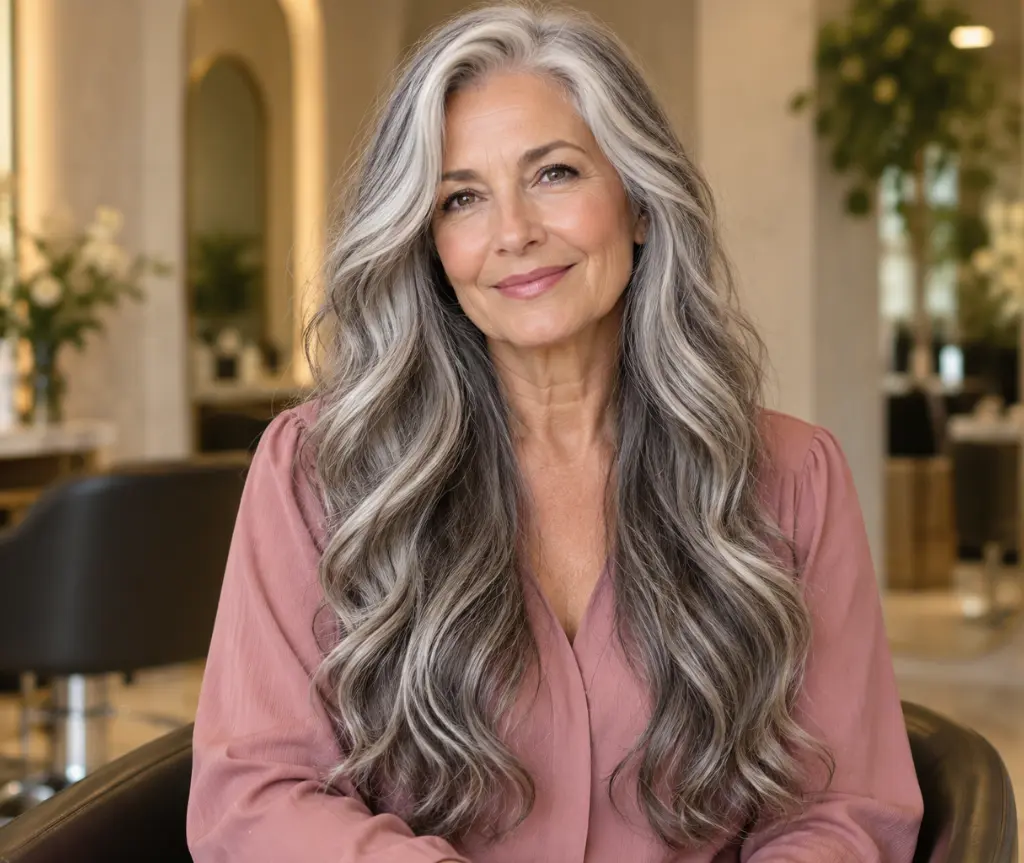
Long gray waves show how natural silver, white, and charcoal tones can become part of a striking hairstyle rather than something to conceal. The flowing length allows those variations to appear through broad sections, especially when the waves catch the light. For women over 50 who love long hair, a gently shaped perimeter and restrained layers can keep the look cohesive. The style does not need perfect uniformity; a mixture of wave sizes can create a more natural finish, provided the overall outline feels deliberate and suits your preferred amount of volume.
Ask your stylist to preserve fullness where you need it and remove only the weight that interferes with the shape. Long gray hair can have different textures throughout, so discuss how those areas behave during your usual routine. Encourage existing waves with a suitable styling product, or create occasional loose bends through selected lengths. Keep the front open with a comfortable parting and light face framing if desired. If you are transitioning from colored hair, plan the haircut around the actual color distribution rather than expecting a single appointment to produce uniform silver lengths.
27. Long Hair with Curtain Bangs
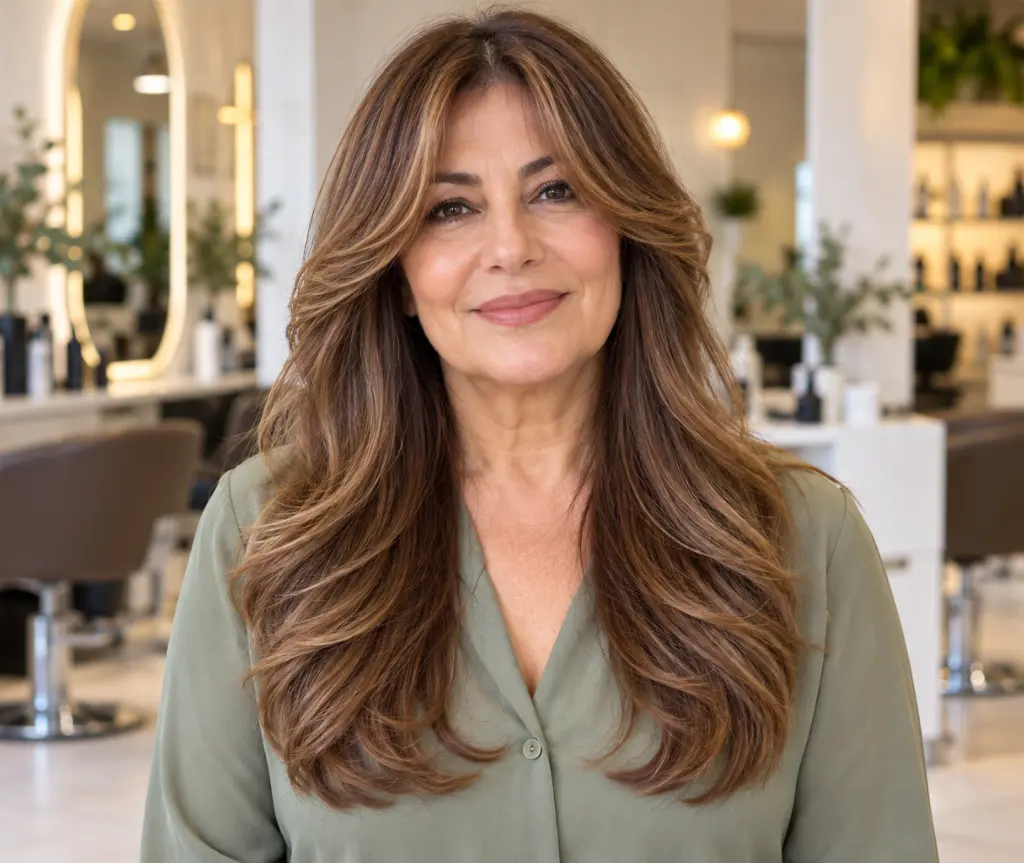
Long hair with curtain bangs adds a distinct face-framing feature while keeping the overall length intact. The bangs open around the forehead and connect into longer sections near the cheeks, creating a flowing transition into the rest of the hair. This long hairstyle for women over 50 can feel softer than a full fringe and more structured than an entirely one-length front. It works with straight hair and waves, although the amount of styling required depends on your texture. The shortest sections should be chosen for comfort and daily practicality.
Discuss whether you want true shorter curtain bangs or longer curtain-style face framing, since these produce different levels of commitment. Shorter bangs may need more frequent adjustments and a specific drying routine, while longer pieces are easier to tuck away. Ask your stylist to account for your natural part and any cowlicks before choosing the center opening. At home, guide the front forward, then shape it away from the face. Keep the lower layers relatively long if you want a full perimeter, and make sure the fringe connects smoothly rather than appearing detached.
28. Long Hair with Face-Framing Layers
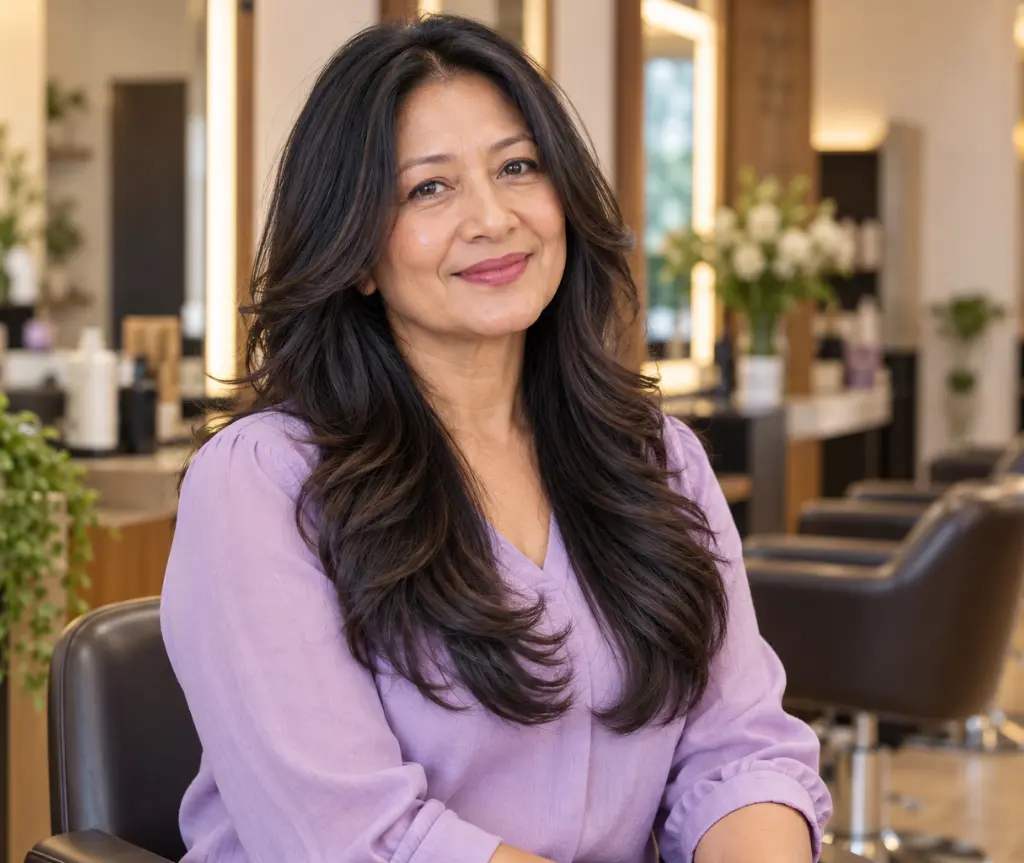
Long hair with face-framing layers creates softness around the front without requiring a major change to the back. The shortest pieces can begin near the jaw or below the chin, making this an adaptable option when you want movement but prefer to avoid bangs. Women over 50 who enjoy long hair may appreciate the way these layers introduce shape while preserving ponytail and updo possibilities. The overall effect can be subtle, with only a few connected front sections, or more noticeable if you like a stronger cascade around the face.
Ask your stylist to tailor the starting point to your preferred tuck, parting, and tied-back styles. Layers that look attractive when worn loose may fall out of a ponytail if cut shorter than you expect. Preserve enough density through the sides, especially if your hair is fine near the temples. For styling, bend the front sections away from the face and allow the rest to remain natural, or wear the whole length straight for a simpler finish. A connected cut should transition gradually so the front movement complements the longer perimeter.
29. Long Natural Curls
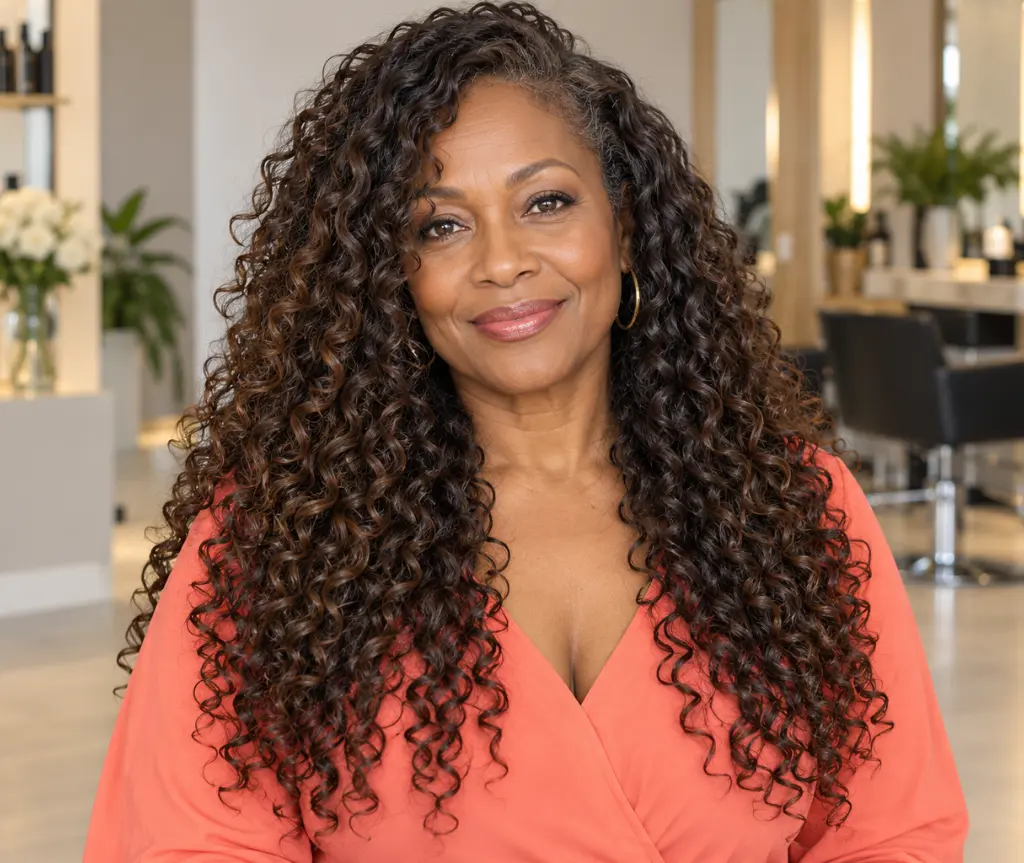
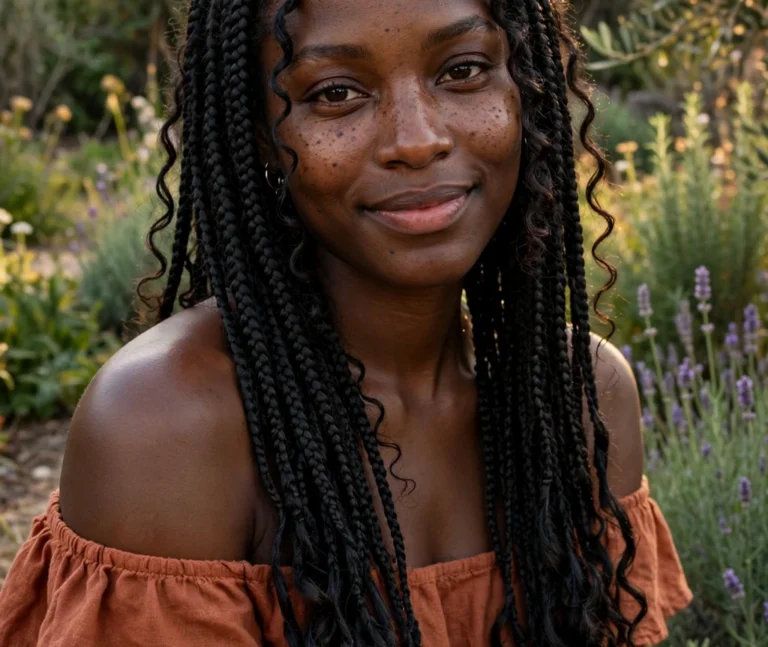
Long natural curls create a beautiful silhouette when the haircut gives different curl sections room to sit comfortably together. For women over 50, the length can be retained while selective shaping prevents the outline from becoming uneven or overly heavy at the bottom. The best layer placement depends on curl size, shrinkage, and density, rather than a standard formula. Some people prefer a rounded shape with fuller sides, while others enjoy a longer, narrower outline. Both can work well when the haircut reflects the texture and finish you wear most often.
Choose reference photographs with a curl pattern reasonably close to yours, and discuss dry length before any cutting begins. Explain whether you use defined curl styling, a softer brushed finish, or a combination of both. Your stylist should account for how those choices affect the silhouette. During home styling, distribute product thoroughly and arrange the front curls with intention before drying. Avoid adding short layers solely to create crown volume without considering the rest of the shape. A balanced cut should preserve the curls you love while making the overall length easier to manage.
30. Long Straight Hair with a Strong Perimeter
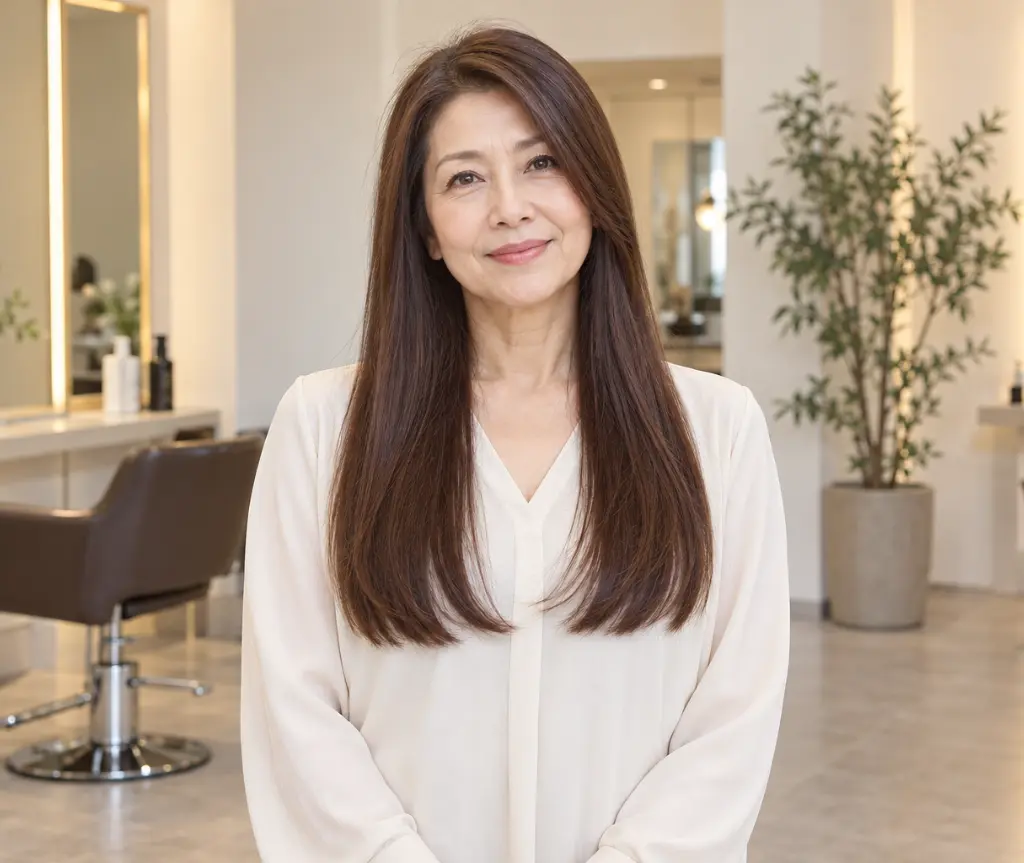
Long straight hair with a strong perimeter is an understated option for women over 50 who prefer a clean outline and minimal layering. The continuous lower edge gives the hairstyle a deliberate finish, especially when you want the ends to appear substantial. The length can sit at the chest or extend farther, depending on your density and preference. A center part produces symmetry, while a slight side part changes the balance around the face. Subtle front shaping can be included, but the main feature remains the cohesive length through the back and sides.
Ask your stylist to choose an endpoint where the hair still has the fullness you want, rather than keeping extra length that does not support the overall shape. If your strands are fine, fewer layers may help preserve a visible perimeter. For styling, smooth the hair in manageable sections and avoid repeatedly passing over the same lengths with hot tools. You can also wear a natural straight finish without aiming for absolute flatness. An ear tuck or simple clip provides variation, while the strong lower edge keeps the hairstyle recognizable across different everyday looks.
31. Long Shag with Soft Bangs
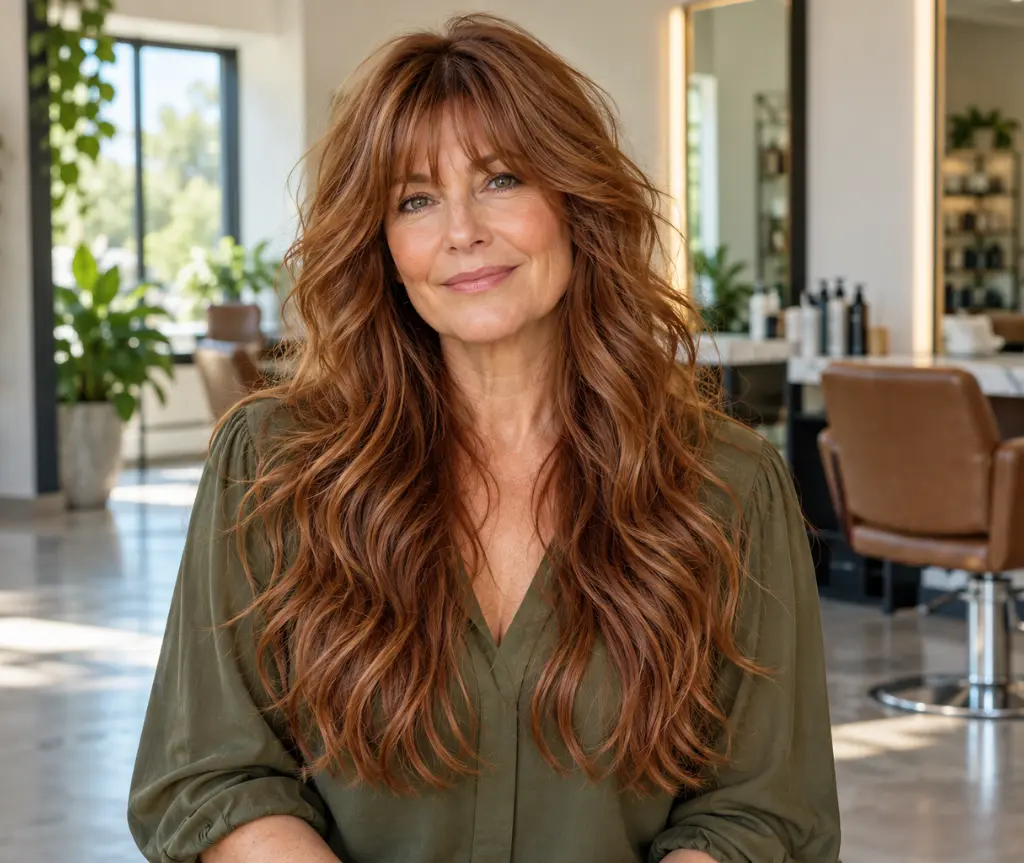
A long shag with soft bangs combines the freedom of longer hair with visible texture through the crown and front. The layers create a cascading outline, while the fringe brings a defined but relaxed feature around the forehead. For women over 50 who enjoy an expressive haircut, this style can offer more movement than a conventional long layered cut. It is particularly distinctive on naturally wavy hair, where different sections bend independently. The lower lengths should still retain enough weight to keep the hairstyle flowing rather than appearing disconnected or overly sparse.
Ask your stylist to adapt the shag to your density, because a reference with very thick hair may not translate well to finer strands. Discuss the amount of crown layering and how the bangs will sit when you air-dry. A softer version may use fewer short pieces while keeping the characteristic face-framing movement. Style by encouraging the natural texture and arranging the fringe deliberately before it dries. If you prefer a more polished finish, smooth selected front sections without flattening the entire shape. The goal is expressive movement that remains wearable in your daily routine.
32. Loose Low Bun with Face-Framing Pieces
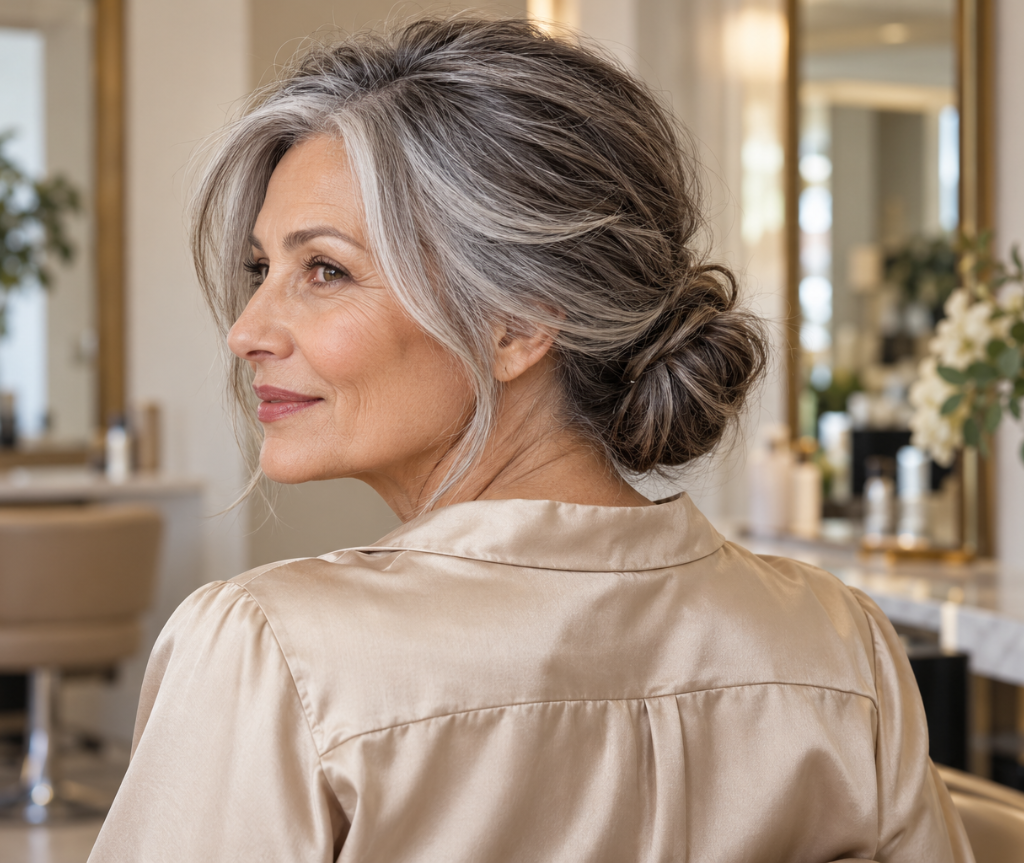
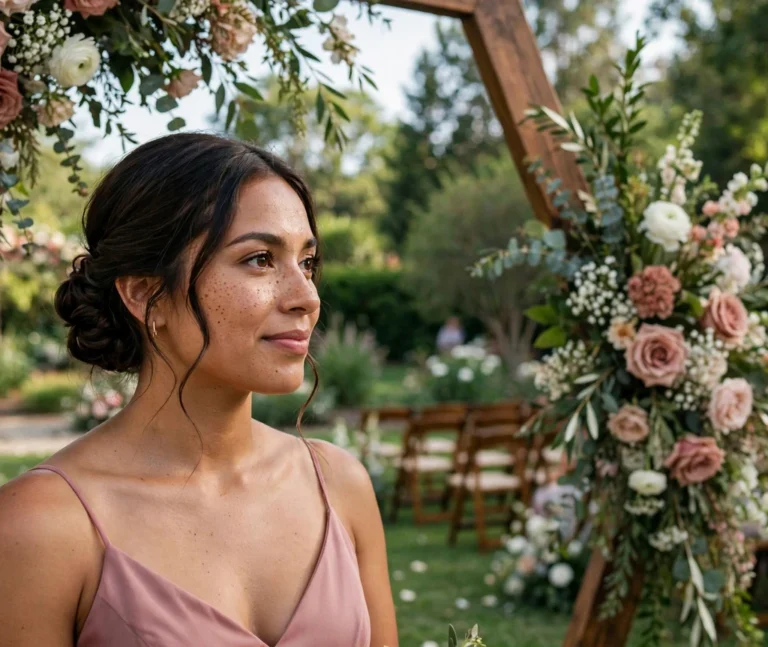
A loose low bun is a versatile styling option for women over 50 with medium-to-long hair, offering a softly gathered shape without requiring a new haircut. The hair is collected at the nape and arranged into a relaxed bun, with a few front sections left loose if desired. This style can feel elegant for an event or simple enough for everyday wear. It works with straight, wavy, and curly textures, although the visible finish changes accordingly. Keeping some natural movement through the crown helps the hairstyle feel comfortable and less rigid.
Start with a parting you enjoy and gather the hair gently near the nape, allowing the sides to settle without pulling them tightly. Secure the bun with suitable pins or a comfortable accessory, then loosen selected sections only where you want softness. Use existing face-framing layers rather than pulling out many random strands. If your hair is fine, a small, neatly arranged bun may look more balanced than an oversized shape that requires heavy manipulation. Adjust the position to suit your neckline and glasses, and keep the finished style comfortable enough for the occasion.
33. Half-Up Hairstyle with Soft Waves
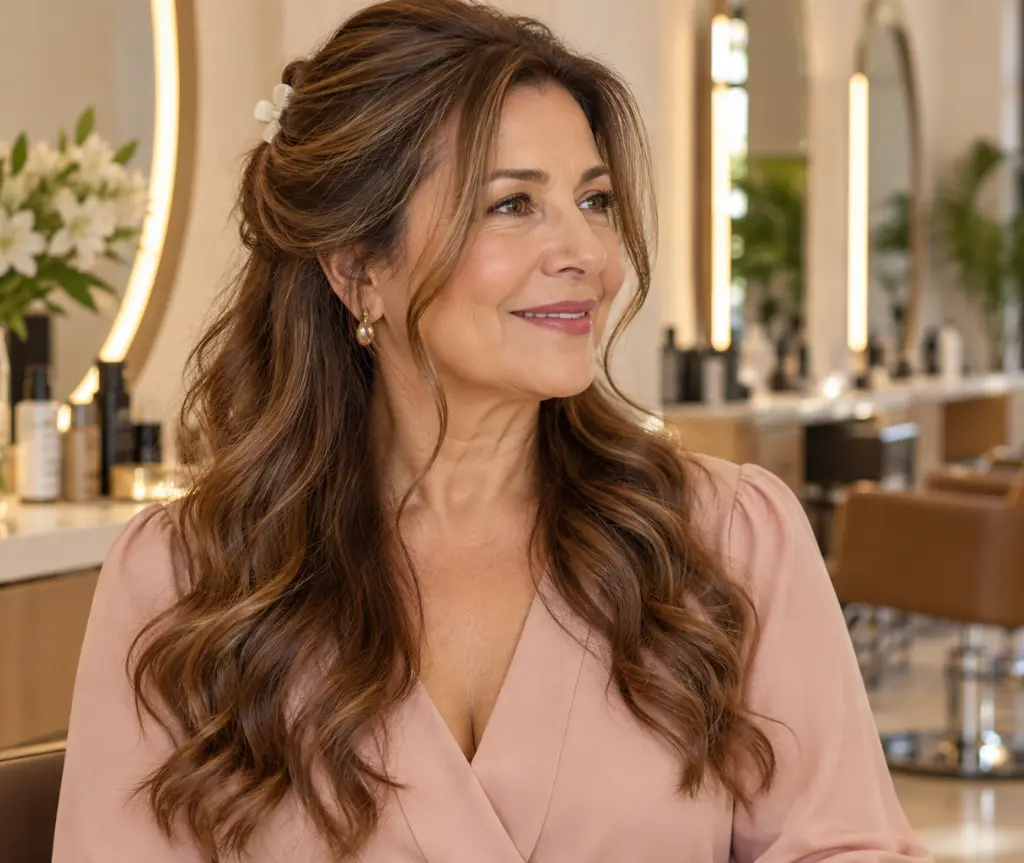
A half-up hairstyle with soft waves keeps the lower lengths visible while gathering a small section of hair away from the face. For women over 50 who enjoy long hair but occasionally want a more open front, it offers an easy change without altering the haircut. The gathered section can sit near the back of the crown or slightly lower, depending on your preferred silhouette. A small clip, discreet tie, or simple twist keeps the focus on the hair. Natural gray streaks, highlights, and wave patterns can all add interest to the finished style.
Take a modest amount of hair from the front and sides, leaving enough through the lower lengths to preserve fullness. Secure it comfortably, then adjust the crown gently if you want a little lift. The loose sections can follow your natural waves or be shaped into broad bends for an occasion. Avoid gathering so much hair that the bottom appears sparse, especially if your density is fine. Let a few intentional front pieces remain if you like softer framing, and choose an accessory that holds securely without making the hairstyle feel heavy or overly complicated.
Choosing and Caring for Your Hairstyle
Use these ideas as starting points for a conversation with your stylist. Bring photographs showing both the shape you like and a hair texture similar to yours. Explain how you usually dry your hair, whether you wear glasses, and which tied-back styles you need the haircut to accommodate. A hairstyle becomes more practical when the consultation includes your everyday routine.
For general hair care, the American Academy of Dermatology recommends conditioning after washing, handling hair gently, limiting heat styling, and using low or medium heat with a suitable heat-protection product when needed. These habits can help reduce styling damage across different lengths and textures.
Conclusion
The best hairstyles for women over 50 range from compact textured pixies and polished bobs to shoulder-length curls and flowing long layers. Your ideal choice depends on your natural texture, hair density, styling preferences, and the shape you enjoy wearing. Short hair can feel expressive and defined, medium lengths offer flexibility, and long hairstyles provide plenty of room for waves, curls, and gathered styles.
Choose a haircut that supports your routine and makes you feel comfortable with your appearance. Whether you embrace natural gray, keep your favorite brunette shade, or explore soft highlights, a thoughtful cut can bring the whole look together. Save your favorite ideas from Style by Seemal, take them to your stylist, and personalize the details to create a hairstyle that feels like you.